Physical Address
17033 Neubrandenburg
Germany
Physical Address
17033 Neubrandenburg
Germany

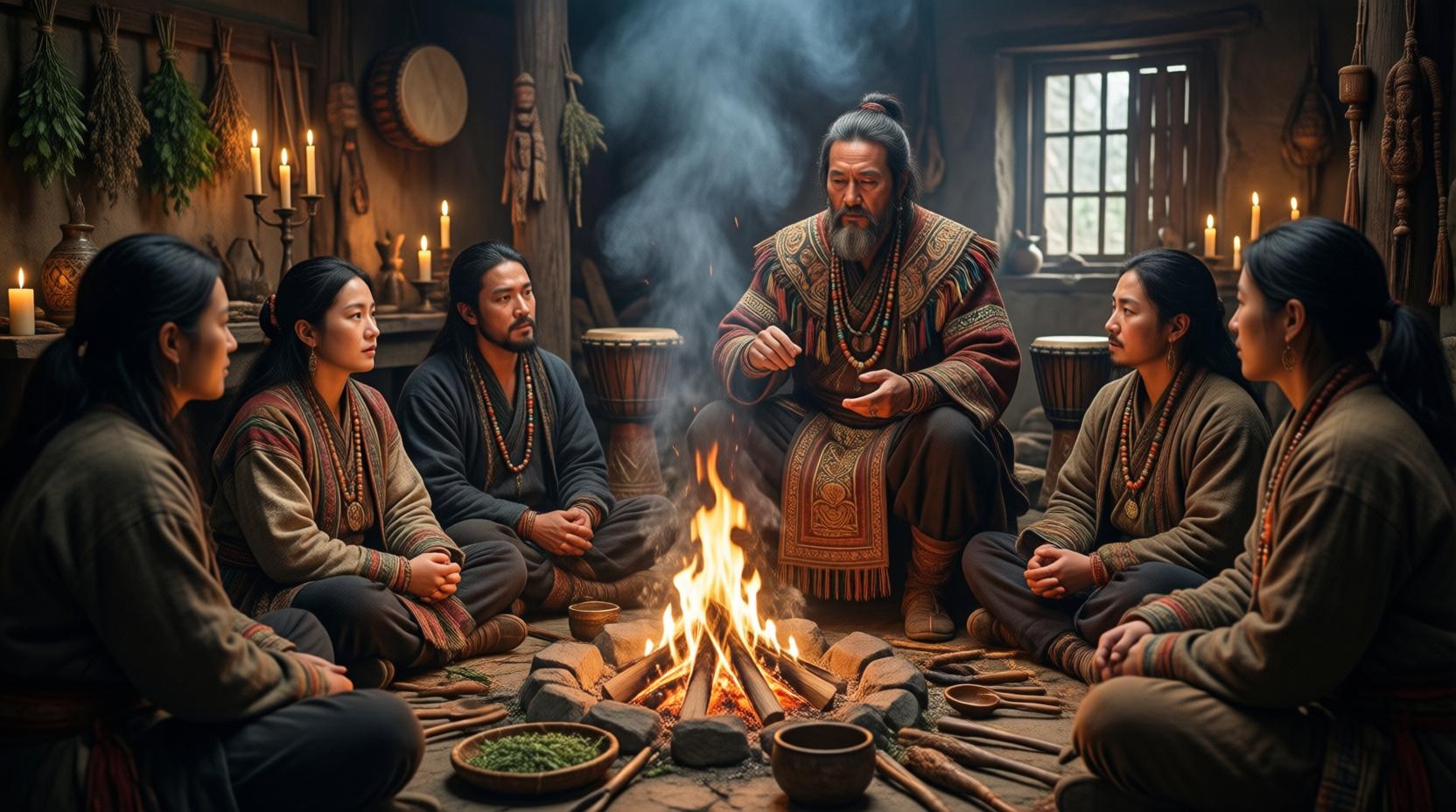
A look at tradition, law and ethics – why the answer is not as simple as it sounds.
In recent years, interest in ancient healing methods and spiritual practices has experienced a veritable boom. Workshops on "shamanism," online courses, and even vocational training programs that use the word... „"Shaman"“ Those bearing this title are increasingly finding their place in wellness centers, universities and on platforms like Udemy.
At the same time, expectations for safety and professionalism in the healthcare sector are rising. Patients, clients, and authorities are asking themselves: Do teachers who train shamans need to have basic medical training?
The answer depends on many factors – legal requirements, cultural contexts, and ethical principles. Below, we will go through the most important aspects step by step.
| feature | Traditional shaman | Modern „shamanism“ teachings |
|---|---|---|
| origin | Indigenous cultures (e.g. Siberia, Amazon, North America) | Globally adapted spirituality |
| Task | Mediation between the spiritual and physical worlds, healing, ritual leadership | Personal development, stress reduction, "energy medicine"„ |
| Training | Mostly lifelong initiation, mentorship, ritual trials | Course-based programs, certificates, workshops |
| recognition | Within the respective ethnic group, rarely regulated by the state. | Often treated as a "wellness profession", occasionally controversial |
The traditional shaman is not primarily a "doctor" in the modern sense, but a Healer, mediator, and spiritualist – a role understanding that differs significantly from conventional medical training. Nevertheless, the areas overlap: Many shamans treat physical ailments, use herbal medicine, and induce trance states that can trigger physiological reactions.
| country | Legal requirements for "healthcare professions"„ | Special regulations for shamanism |
|---|---|---|
| Germany | Law on Non-Medical Practitioners (Law on Non-Medical Practitioners § 1): Anyone who practices medicine needs a permit. | Shamanism is not recognized as an independent healing profession. Anyone practicing therapy (e.g., for depression or pain) must possess either a naturopathic practitioner or medical qualification. |
| Austria | Therapeutic Products Act: Practicing a profession as a "medical profession" requires state approval. | Similar to Germany – no specific shaman license. |
| Switzerland | Federal Law on the Practice of Medicine (HAG): Protection of the population through clear professional profiles. | Here too: Anyone offering medical services needs the appropriate training. |
Conclusion: In all three countries, practicing medicine without recognized training is illegal – regardless of whether one calls oneself a "shaman," "alternative practitioner," or "therapist." The difference, therefore, lies not in the title, but in the... actual activity.
For the training of shamans None of these qualifications are legally mandatory. – as long as the teachers no medical practice They may practice. However, as soon as diagnoses are made, medications are administered, or therapies are ordered, the German Law on Non-Medical Practitioners (Heilpraktikergesetz) applies.
| Reason | Example |
|---|---|
| Safety aspects | Knowledge of side effects of herbal preparations (e.g., ayahuasca, sage). |
| Collaboration with the healthcare system | Collaboration with general practitioners in the treatment of chronic illnesses. |
| Professionalism & Reputation | Certificates that attest to "basic medical knowledge" increase acceptance among clients. |
| Ethics & Liability | Prevention of mistreatment, legal protection. |
Many modern shamanism courses therefore emphasize „"Basic anatomy, physiology and emergency management"“ – not because the law requires it, but because it Builds trust and minimizes risks.
| Provider | Approach | Medical components |
|---|---|---|
| Institute for Shamanic Healing Arts (Berlin) | 2-year certification, focus on rituals, herbal medicine | Basic anatomy course, first aid certificate, mandatory alternative practitioner exam for graduates who want to practice therapy independently. |
| Online Academy „Shamanic Healing 101“ | Self-study, weekly live sessions | Video modules for „Basics of Human Physiology“, no official medical degree. |
| Anishinaabe Community School (Canada, adapted programs) | Traditional mentorship, not formal medicine | No medical content; however, close cooperation with local clinics should physical ailments arise. |
The range shows: There is no uniform guideline., but rather a continuum ranging from purely spiritual to medically based training.
Short answer: No, legally, medical training is not mandatory to offer shamanic training.
But:
The golden mean The challenge, therefore, lies in preserving the spiritual wisdom of shamanism while responsibly imparting basic medical knowledge and setting clear boundaries. This results in a training model that Respect for tradition, Safety for the clients and Compatibility with applicable law united.
Stay curious, stay critical – and above all: Respect the boundaries between spirituality and medicine.
We wish you every success on your path to conscious healing!
Further links:
Author:
Lara – editor for health & spirituality, certified naturopath and long-time intern in indigenous healing traditions.
If you enjoyed this post, subscribe to our newsletter and receive new articles every month on the interfaces between traditional wisdom and modern science.