Physical Address
17033 Neubrandenburg
Germany
Physical Address
17033 Neubrandenburg
Germany

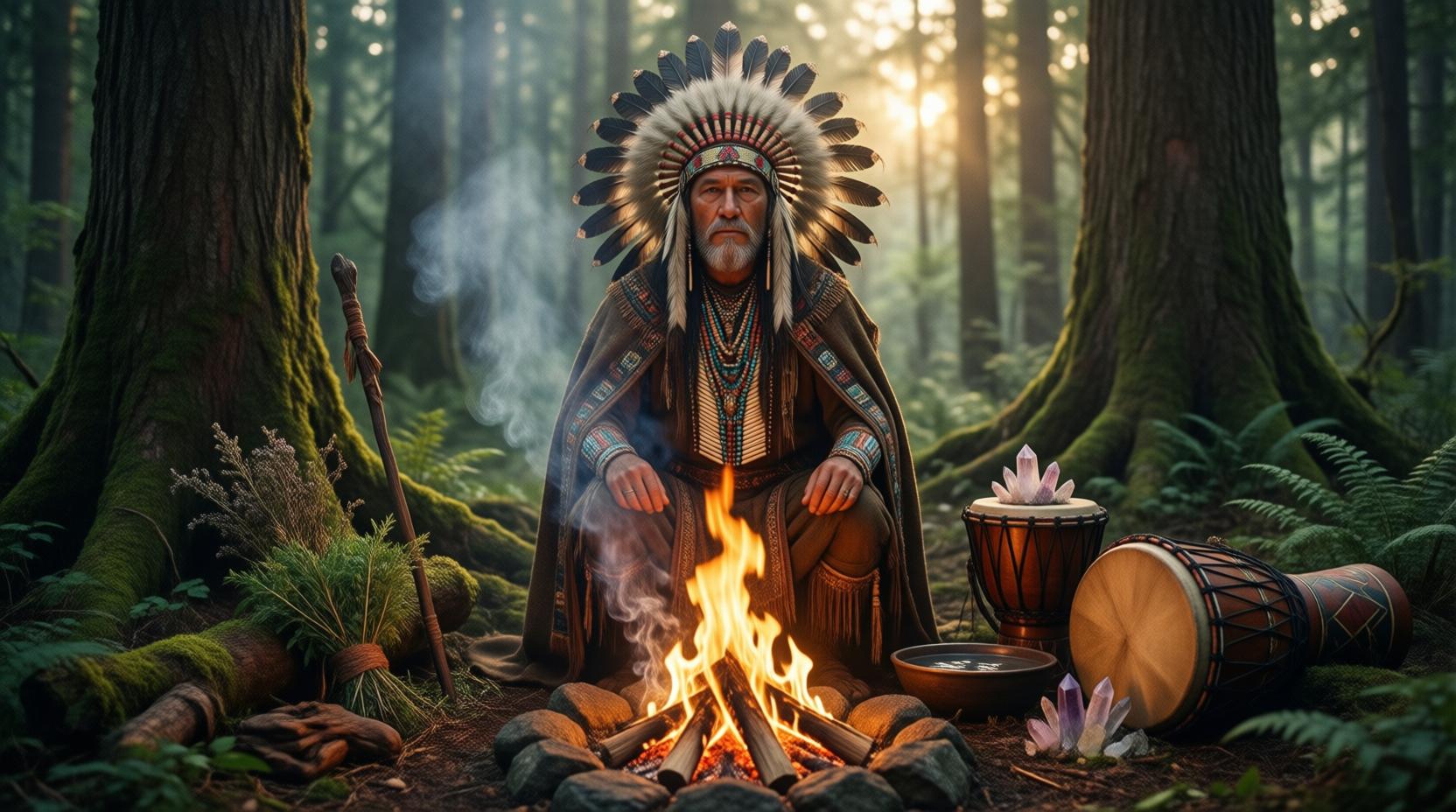
Shamanism has fascinated people from all cultures for centuries. But what is really behind the image of the "spiritual healer"? In this article, we take a detailed look at the often misunderstood path to shamanic training – from the first steps on the path to independent practice.
| Expression | core idea |
|---|---|
| shaman | Mediators between the visible world and the invisible dimensions (spirits, ancestors, natural forces). |
| Shamanism | A collection of practices, myths, and techniques that aim to promote healing, knowledge, and community. |
| Training | There is no fixed curriculum, but rather a long-term, mostly informal learning process that depends heavily on tradition, location, and teacher. |
In short: Being a shaman is less a profession than a way of life, shaped by experience, responsibility, and spiritual integrity.
| Proceed | Tips |
|---|---|
| Visit places with shamanic tradition (e.g. Siberia, Amazon, North America) | Open-mindedness, respect for local culture. |
| Using networks (Spiritual centers, online forums) | Pay attention to references; a true mentor cannot be "sold" too quickly. |
| Trial workshops | Short experiences will show whether the chemistry is right. |
| Learning field | Contents |
|---|---|
| Connection to nature | Botany, animal observation, annual cycles. |
| Ritual technique | Construction of fire circles, drumming and rattle work, singing (singing bowls, mantras). |
| Alternative medicine practices | Energy balancing, herbal medicine, body and mind diagnostics. |
| Spiritual journey | Drum journeys, breathing techniques, shamanic trance induction. |
| ethics | Confidentiality, setting boundaries, responsibility towards clients & ancestors. |
The duration varies greatly – from one year of intensive practice to a lifelong learning process.
Practical experience: In Siberian traditions, initiation often lasts several months, while in some South American lines a single, intensive vision transfer is sufficient.
| Challenge | Possible solution |
|---|---|
| commercialization (Shamanism tours, online courses) | Critical selection of providers, focus on authenticity. |
| Cultural appropriation | Respectful cooperation with indigenous communities, fair wages. |
| Scientific skepticism | Documentation of case studies, integration of evidence-based methods (e.g., psychosomatics). |
| Digital Communities | Using forums for exchange is no substitute for real mentorship. |
Q1: How long does the training last?
There is no fixed timeframe. Traditionally, it can take a lifetime, while modern short courses usually last 6-12 months – however, these rarely reach the level of a full shamanic training.
Q2: Do I have to travel to a specific country?
For an authentic experience, direct contact with a living tradition is recommended, but not essential. Many indigenous communities now offer programs for international participants.
Q3: Do I need any special skills?
Empathy, patience, and a willingness to self-reflect are fundamental prerequisites. Specific "talents," such as vivid dreams, usually develop through practice.
Q4: Can I legally practice what I have learned as a profession?
The legal situation varies greatly from country to country. In Germany, shamanism is not a legally recognized medical profession, so it falls under the category of "alternative healing methods".
Q5: How much does the training cost?
Costs can range from free, community-based learning processes to several thousand euros for intensive retreats. Transparency and fair compensation are important criteria.
Shamanic training is not a course you simply complete and then receive a certificate. It is a lifelong process that requires profound personal transformation, ethical responsibility, and the ongoing cultivation of a relationship with nature, ancestors, and community.
Those who are willing to embark on this path with humility, devotion, and curiosity will not only find a tool for healing others – they will also find their way back to themselves.
| title | Author / Source | focus |
|---|---|---|
| The Way of the Shaman | Michael Harner | Practical Techniques & Drum Journeys |
| Shamanism – Basic forms of a spiritual practice | Mircea Eliade | Historical and cross-cultural analysis |
| Siberian Shamanism | Marjorie Mandelstam | Traditional training in Siberia |
| Ayahuasca – The spiritual alkaloid | Alejandro R. Estrada | Modern ritual use in South America |
| Online platform: Shamanic Pathways (Community forum, webinars) | – | Exchange & Mentoring |
Would you like to learn more about the path to becoming a shaman?
Subscribe to our newsletter to stay up-to-date on new posts, interviews with experienced shamans, and retreat announcements.
Further links:
Namaste and safe travels on your spiritual path!