Physical Address
17033 Neubrandenburg
Germany
Physical Address
17033 Neubrandenburg
Germany

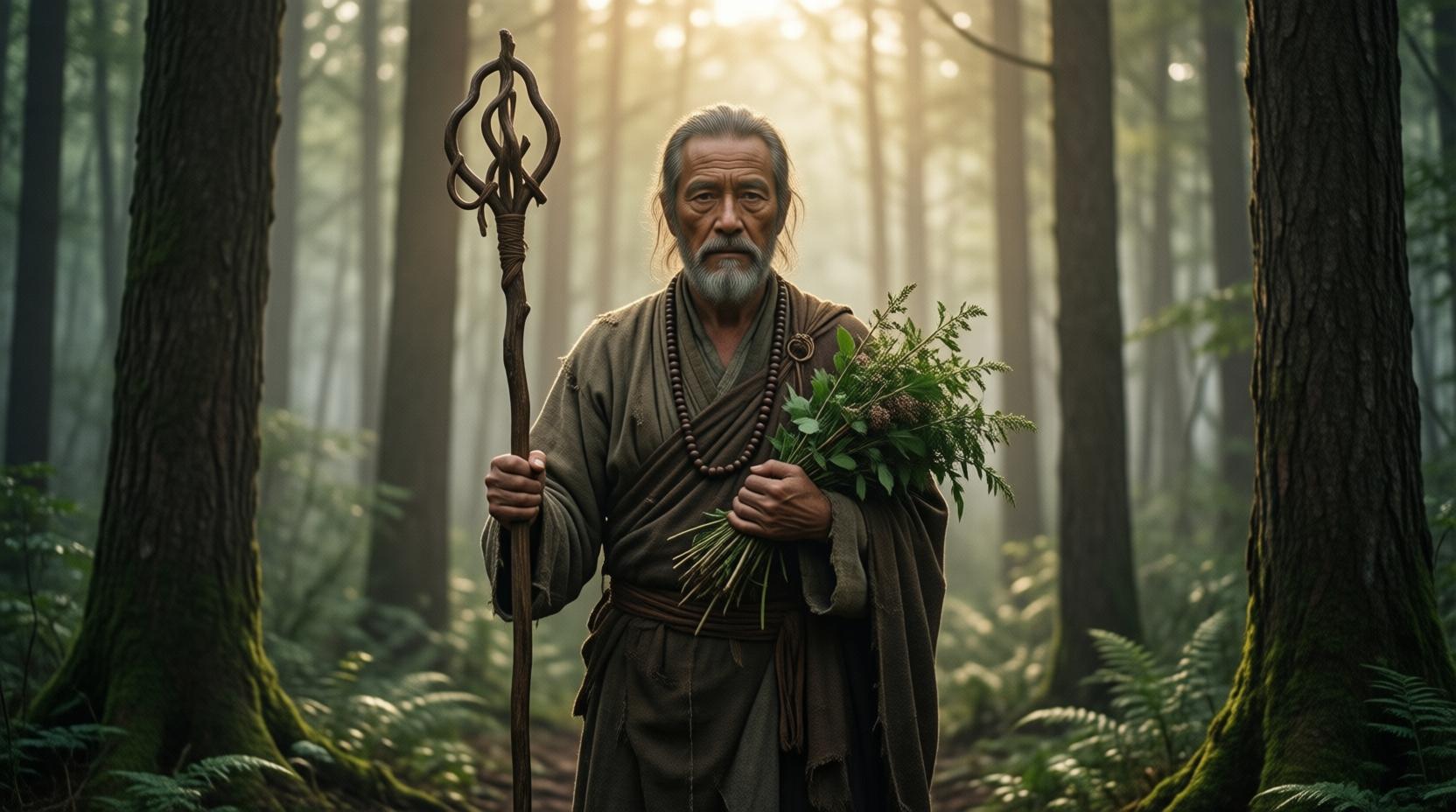
„"Being a shaman is not a profession, but a calling."“ - unknown
The idea of following the call of shamanism fascinates people from all walks of life. In many Western countries today, there are workshops, online courses, and self-help groups that promise "shamanism for beginners." But one key criticism remains: Is it even possible to become a shaman if one does not have an inherited lineage?
In this article, we examine what „hereditary lines“ mean in the context of shamanic traditions, what roles hereditary and training lines play, and how a modern seeker can responsibly shape their own path.
The term Lineages It is not standardized in the specialist literature on shamanism, but is frequently used as Line of Shamanic Initiation or Lineages (hereditary lineage) interpreted. It's about:
| Expression | Meaning | Examples |
|---|---|---|
| Lineage / Bloodline | Passing on knowledge and spiritual power through family or clan-based lineages. | The Siberian Chukchi, the Inca shamans, the Ainu heritage. |
| Apprentice line | Transmission via formal master-disciple relationships, not necessarily biological. | The 19-year-old student of Michael Harner (new tribal movement). |
| Spiritual line | Connection to a specific power or animal spirit, acquired through visions or rituals. | The „Crow’s Path“ of the Navajo, the „Bear’s Core“ in Lakota shamanism. |
In most indigenous cultures, Lineages (in the sense of blood or clan line) a central component, Because shamanism is an integral part of the social fabric there. The shaman has not only spiritual but also social duties: healing, leading rituals, conflict resolution, etc.
One external person, who claims to be a shaman without any lineage, risks, cultural appropriation to operate – that is, to decouple, simplify, or commercialize sacred traditions. This leads to:
The answer is not black and white. Many people see Shamanism today as spiritual practice, which transcends cultural boundaries. Here is an overview of alternative approaches and their advantages and disadvantages.
| Access | Description | Per | Contra |
|---|---|---|---|
| Self-study (books, online courses) | Reading works such as “The Way of the Shaman” (Harner) or “Shamanic Psychology” (Sanjay Kumar). | Flexible, cost-effective. | Risk of misinterpretations, lack of practical experience. |
| Workshops & Retreats (Western Teachers) | Short-term intensive courses with teachers who have no direct family lineage. | Practical experience, community. | Often commercial, limited depth. |
| Mentoring by recognized shamans (apprentice lineage) | Personal training with a shaman who is willing to take on students (e.g. in Alaska, Peru). | Authentic transmission, direct experience. | Logistically complex, costs, visa problems. |
| Independent visions & initiation rituals | Personal dreams, nature experiences, mushroom or herb rituals as a path to "awakening". | Personal transformation, deep connection. | Risk of psychological instability, lack of guidance. |
A notice: This guide is not a substitute for genuine shamanic training, but a companion, which helps you to act ethically, safely and respectfully.
| Questions | Why is it important? |
|---|---|
| Why do I want to become a shaman? | Clarifies motivation (spiritual search vs. status). |
| Which culture do I want to study? | Prevents „mixing“ of traditions („syncretism“). |
| Do I respect the source? | A basic requirement for fair practice. |
Tip: Write down terms you do not understand and research their cultural context.
Caution: Not every invitation means immediate acceptance. The process can take years.
| Practice | Goal | Notes |
|---|---|---|
| Shamanic Drum (build it yourself, play in silence) | Rhythm awareness, trance experience | No substitute for guided trance. |
| Nature meditation (Forest, mountains, water) | Connection to the earth, perception of signs | Write down any dreams/vision material. |
| Herbal studies (local, legal) | Fundamentals of herbal medicine | No psychoactive substances without experienced supervision. |
| Community work (healing wreaths, prayer circles) | Social responsibility, healing energy | Integration into existing spiritual groups. |
| risk | Description | How to avoid it |
|---|---|---|
| Psychological overload | Intense trance experiences can lead to dissociation. | Work with an experienced mentor and set boundaries. |
| Cultural disregard | Uninformed use of symbols (e.g., feathers, masks). | Research the meaning, ask for permission. |
| Legal problems | The use of protected plants (e.g., ayahuasca) is illegal in many countries. | Obey local laws, avoid gray areas. |
| Commercial exploitation | „Shamanic workshops“ as a source of income without real practice. | Check the credibility of the provider, read reviews. |
Short answer: Yes, one can turn to shamanism and acquire authentic practice, without a traditional line of inheritance to own – if one commits to a rigorous, respectful and ethically sound approach.
Long answer: Shamanism is not a profession that one can learn at will; it is a Contract between the individual, their community, and the spiritual beings they promise to serve. Without a line of descent, the traditional network that historically secured this contract is missing. Therefore:
| source | format | Why recommended |
|---|---|---|
| Harner, M. – The Way of the Shaman (1990) | Book | Basic text, practice-oriented |
| Eliade, M. – Shamanism (1976) | Book | Historical-cultural analysis |
| Wallis, RK – Shamanic Initiation in Contemporary Contexts (2002) | Article | Modern initiation models |
| L. K. – Cultural Appropriation and the Ethics of Modern Shamanic Practice (2020) | Article | A critical look at ethics |
| International Society for Shamanic Studies (ISSS) | Website | Network, events, research reports |
| Indigenous Peoples' Center – Contact portal | Online portal | Connecting you with authentic practitioners |
„"A shaman is not the one who bears the name, but the one who bears the responsibility."“
Whether you are already part of a shamanic community or are just beginning to feel the spark, the path demands patience, humility, and a deep awareness of the cultural roots from which this ancient practice springs. If you walk this path with respect, you can become a true guardian of shamanism, even without a family lineage.
Further links:
Namaste and safe travels on your spiritual journey of discovery!
A notice: This blog post is for informational purposes only and does not replace professional training by recognized shamans or medical advice.
Author: Lara, cultural anthropologist & spiritual travel guide
Published: March 30, 2026