Physical Address
17033 Neubrandenburg
Germany
Physical Address
17033 Neubrandenburg
Germany

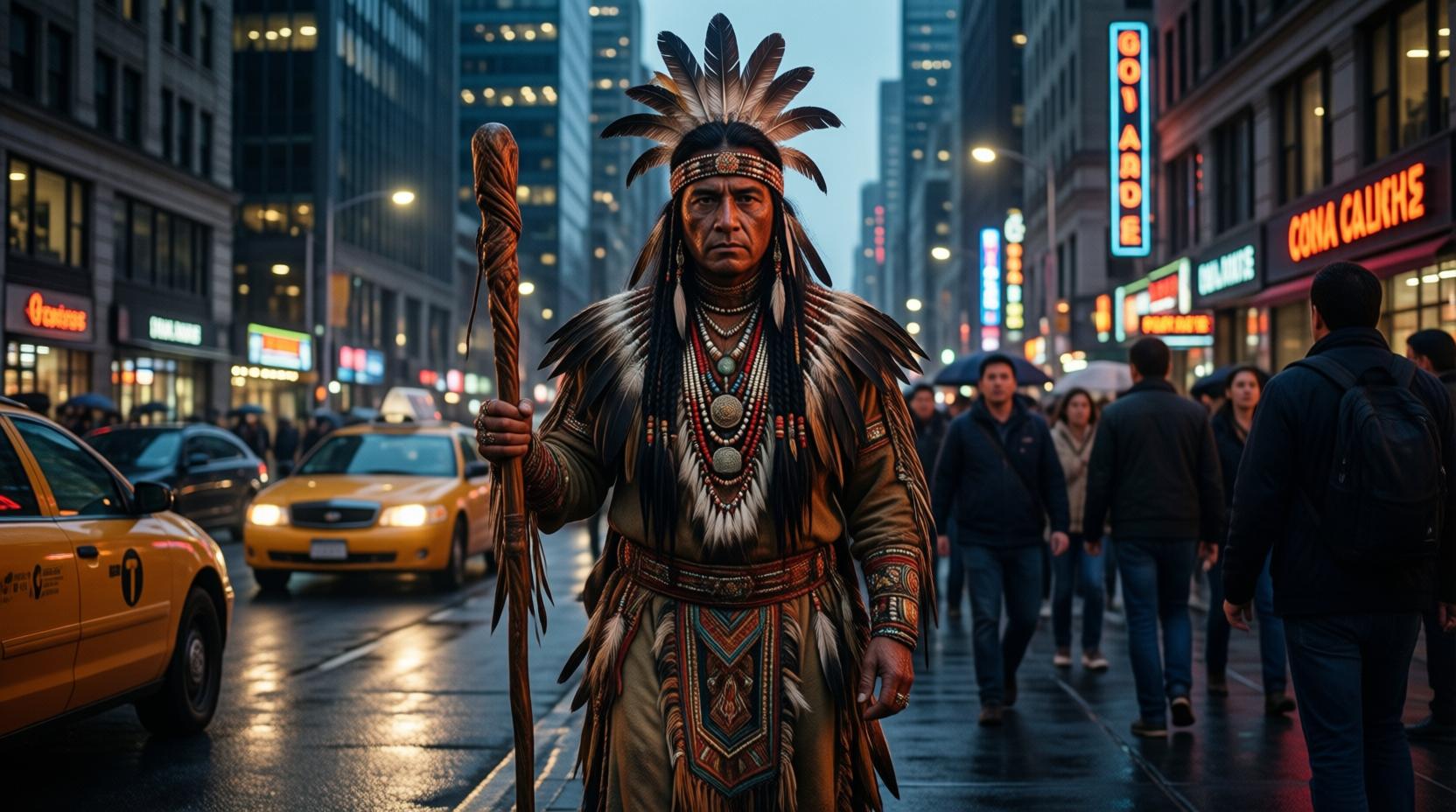
„"I am a shaman, but my practice takes place between skyscrapers and subways."“
A sentence that simultaneously sparks curiosity and elicits a bit of head-shaking. In a world where spirituality is increasingly permeating everyday urban life, the question arises: Is it possible to be a shaman in the city?
In this article, we explore the question, shed light on the historical roots of shamanism, show how the practice has changed in the 21st century, and give practical tips for all those who want to live healing, connecting and transforming – in the spirit of the ancient traditions – in the middle of the urban jungle.
The term shaman It comes from the Siberian Tungus word shaman ("He who calls upon the forces"). Historically, shamans in indigenous cultures were the mediators between humans and spirits – healers, visionaries, teachers, and at the same time keepers of cultural memory.
| Key aspect | Description |
|---|---|
| Ritual & Trance | Through drumming, singing, dancing or psychedelics (depending on the tradition), an altered state of consciousness is achieved. |
| cure | Body, mind and soul are treated simultaneously – often with plants, energy work and symbols. |
| World trip | The shaman „travels“ to other levels (underworld, upper world, dream world) to obtain information or help. |
| community | Practices serve the well-being of the entire community, not just the individual. |
| Ethics & Responsibility | Respect for nature, ancestors, and the people for whom one works is indispensable. |
Cities are not empty concrete deserts. Between skyscrapers we find parks, rivers, roof gardens, and even... City forests. These green spaces are the natural „healing places“ that shamans need to connect with the earth.
Thanks to the internet, we can now rely on a global network from teachers, books, podcasts, and online rituals. This means:
People in cities often struggle with stress, loneliness, and alienation from nature. Shamanic practice can offer exactly what they are looking for: Connection, meaning, and healing – in a short, easily accessible form.
| Location | Use | Example |
|---|---|---|
| Park | Earth connection | Stand barefoot in the grass, feel the earth, 5-minute breathing ritual. |
| riverside | Flowing energy | Water rituals, symbolically "washing" the removal of pollutants in the river. |
| roof garden | Heaven & Earth connect | Sunrise drumming, meditation under the stars. |
| Art gallery | Inspiration & Vision | Visual meditation on works of art to activate dreams. |
Shamanism is deeply rooted in indigenous cultures. Urban practice means..., respect and gratitude to show:
| Challenge | Solution approach |
|---|---|
| Noise & Distraction | Headphones, protected spaces, time slots in quiet neighborhoods. |
| Lack of nature | Micro-nature steps: plant pots, mini-forest in the living room, regular trips to the city park. |
| Skepticism from fellow human beings | Education, open discussions, transparent practices, no "secret" rituals. |
| Legal limits (e.g. smoking in rented apartments) | Alternatives: essential oils, digital incense sessions, open spaces (e.g., in the garden). |
| Danger of superficiality | In-depth study, ethical reflection, continuous practice, supervision by experienced teachers. |
Johannes, 34, uses the roof garden of his former shared apartment as “Heavenly altar”. Every full moon, he drums together with his neighbors, lays out crystals, and undertakes a short journey to the "surrounding world" to gather new ideas for local sustainability projects. His initiative has already inspired three urban permaculture startups.
Lea works as a social worker and leads a [activity/group] in the afternoons. „"Shamanism Wednesday"“ At the youth center by the subway station, young people learn to relieve stress through drumming and dance. The project has reduced the dropout rate in the neighborhood by 12%.
A café that also offers coffee „Ritual Morning“ Offers: 30 minutes of drumming, followed by a group meditation. Participants report increased concentration and a feeling of... „"inner connection"“ – despite the bustling city life.
If you open yourself up to these aspects, you can not only „"to be a shaman in the city"“ – You can become a valuable hub for healing, transformation, and community in your urban environment.
The shaman's path is a journey – whether through endless forests or across bustling streets. Take the first step and discover how much magic lies within your city. 🌿🏙️
Further links:
Note: This blog post is for informational purposes only and does not replace medical or psychological advice. Always practice shamanism mindfully and in accordance with local laws.