Physical Address
17033 Neubrandenburg
Germany
Physical Address
17033 Neubrandenburg
Germany

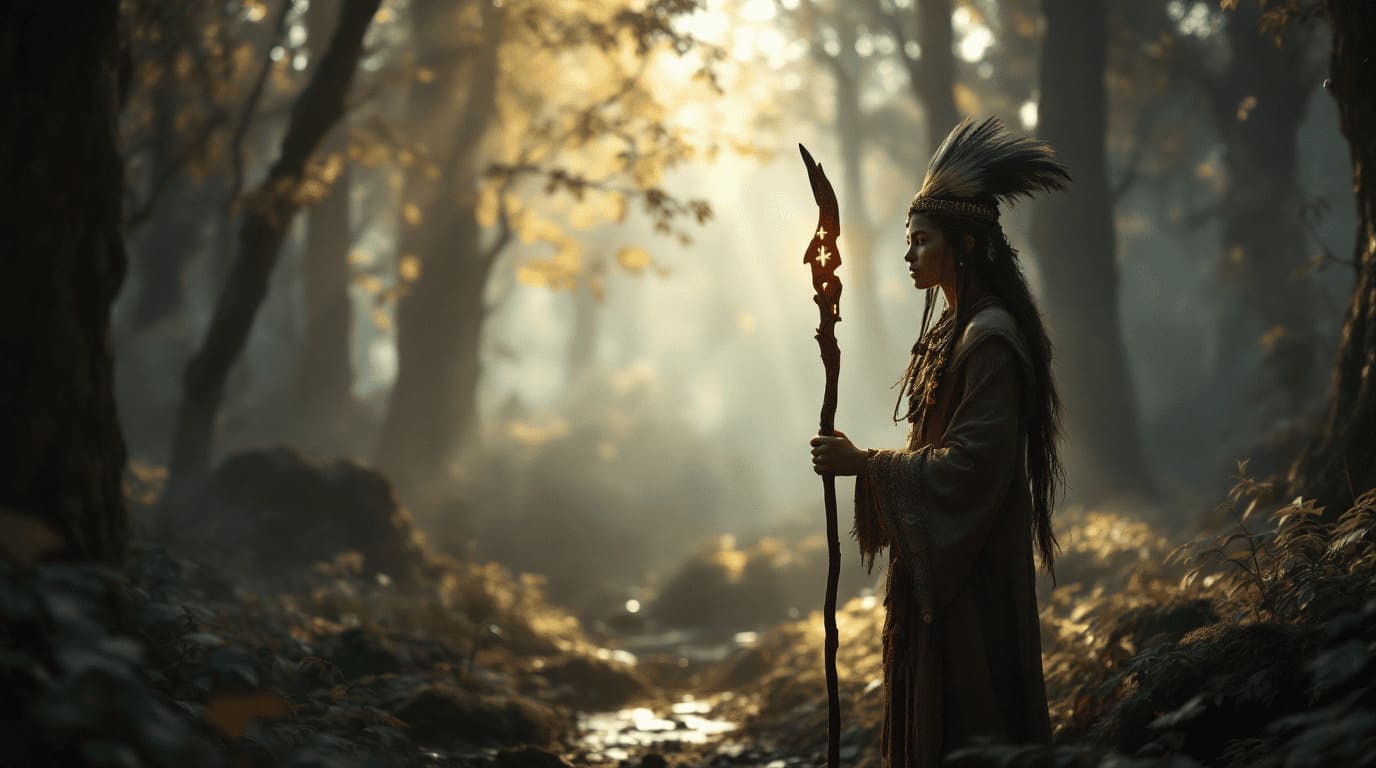
A guide for all who wish to embark on the path of shamanism
The shaman's path is not a purely intellectual study—it is a deeply rooted, living experience of nature, spirit, and community. Therefore, choosing the right mentor is one of the most important steps a beginner can take on this path. In this post, we'll look at..., which criteria are useful, which questions you should ask yourself, and which warning signs you need to pay attention to., so that you can find a mentor who can guide you authentically and safely.

| Advantage | In short, explained |
|---|---|
| Knowledge transfer | Shamanic practices are mostly passed down orally and through direct experience. |
| Safety net | Rituals, trance states, and journeys can be intense. An experienced guide will recognize risks early on. |
| Cultural anchoring | Many traditions are closely linked to a particular people, place, or ecosystem. |
| Spiritual support | The mentor helps to read one's own inner map and integrate one's own visions. |
Without a competent guide, there is a risk of, Misinterpretations, energetic aberrations or even spiritual overload to experience.
A well-known shaman with many followers isn't necessarily the right teacher for you. Pay attention to... authentic actionHow does the person live their path in everyday life? Do they show humility and respect for nature and traditions? Is the knowledge gained from a living practice Is it mediated out or only offered as a show program?
Shamanism is not a monolithic tradition. Different cultures (e.g., Sami, Quechua, Mayan, Siberian shamans) have their own cosmologies, tools, and rituals. Your mentor should in a clear line Stand up for what you believe in and make the origins of your teachings transparent. Ask about:
A reputable shaman strictly adheres to ethical principles: no exploitation of students, no commercial pressure, respect for intellectual property and mental health. Look out for signs such as:
Tip: Make sure you don't just attend "free" events; often there's a hidden business model behind free offers.
Get in touch (email, phone, in person) and ask any questions you may have:
Pay attention to Body language (at a personal meeting), tone of voice and honesty. A good mentor will not make all-encompassing promises ("You will be able to heal immediately"), but rather realistic learning objectives formulate.
Many mentors offer Short workshops or Introductory days Use this to check:
| observation | What it means |
|---|---|
| Ritual structure | Is the procedure clear, safe, and respectful? |
| Energetic atmosphere | Do you feel energized or exhausted? |
| Ability to clarify | Are questions answered patiently? |
| Aftercare | Are there any feedback options after the course? |
Talk to former students. Questions you can ask:
Pay particular attention to consistency In the responses – if several people mention the same points of praise or criticism, you have gained a good picture.
Shamanism emphasizes the connection to inner voice. After you have checked all rational criteria, feel – Do you feel comfortable in the presence of the potential mentor? centered, grounded and supportedIf the intuitive "yes" is missing, you should continue your search.
| signal | Potential danger |
|---|---|
| „"I can teach you everything right away."“ | Superficial teaching, lack of depth |
| Constant pressure to donate money | Financial exploitation |
| Lack of clear boundaries (e.g. 24/7 availability) | Burnout, emotional dependency |
| Abandoning personal history | Lack of authenticity |
| One-sided emphasis on “healing powers” | Spiritual abuse, false promises |
| Isolation from other practitioners | Dogmatism, lack of willingness to learn |
If you notice one or more of these signs, it is advisable to, to end contact and to continue searching.
An informal Mentoring agreement protects both sides. Key points:
A written contract is not only a protective mechanism, but also a sign of professionalism and respect.
| ✅ | Task |
|---|---|
| 1️⃣ | A book Read about the desired tradition and take notes on the most important principles. |
| 2️⃣ | Mind map Create: What do I want to learn? What values are important to me? |
| 3️⃣ | Online researchFind at least three potential mentors and check their backgrounds. |
| 4️⃣ | Initial contact via email: Ask 3-5 questions, request appointments for discussions. |
| 5️⃣ | Trial course Attend the event – take notes on the atmosphere, teaching style, and your own response. |
| 6️⃣ | References obtain information from at least two former students. |
| 7️⃣ | Check your intuition: In a calm meditation, „feel“ the situation. |
| 8️⃣ | Contract to draw up or have checked (if available). |
| 9️⃣ | make decision – Yes or no. |
| 🔟 | Regular reflectionEvaluate learning progress and the relationship with the mentor every 3-6 months. |
A shaman mentor is not just a teacher – he is a Companions, who supports you in discovering your own inner map and working responsibly with the forces of nature and the mind. Choosing this person requires Care, awareness and courage, but the time invested pays off: You get a safe space in which you can grow, heal and ultimately become a responsible bearer of shamanic knowledge.
„"The true master is not the one who guides you, but the one who empowers you to find your own way."“ – (Anonymous, inspired by shamanism)
| format | Title / Source | Brief description |
|---|---|---|
| Book | The Shaman's Path – Peter G. Baker | Introduction to various shamanic traditions with practical examples. |
| Podcast | Spiritual paths (Episode 12) | Interview with a Siberian shaman about mentor-student relationships. |
| documentation | Shamans – Keepers of Knowledge (Netflix) | Visual insight into rituals, healing processes and training paths. |
| Online course | Foundations of Earth‑Based Shamanism (Udemy) | Basic course, suitable for "getting a taste" before more in-depth training. |
Are you at the beginning of your shamanic journey? Then take your time to find the right companion. Your heart will show you the way – and a good mentor will help you walk it. 🌿🪶
Further links:
Wishing you much success and blessed travels!