Physical Address
17033 Neubrandenburg
Germany
Physical Address
17033 Neubrandenburg
Germany

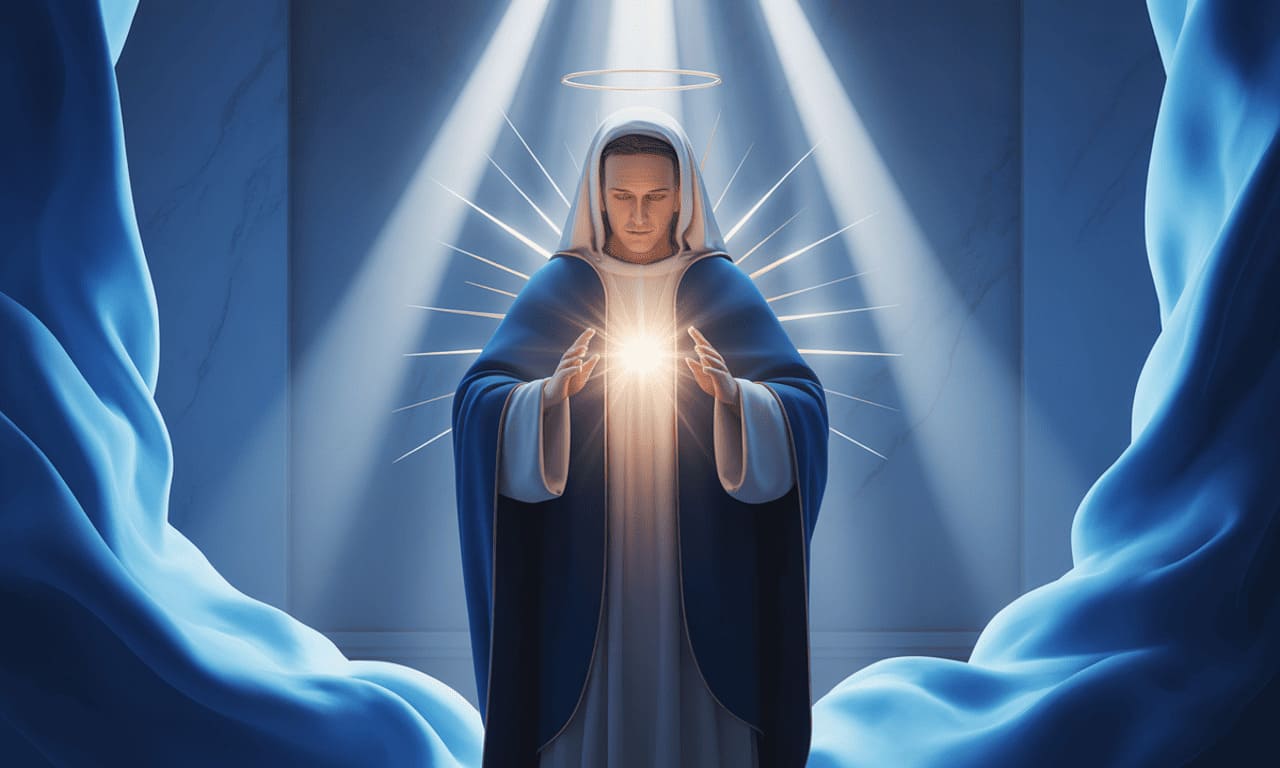
Have you ever found yourself outside on a starry night, gazing upwards, and felt that strange pull in your chest? That feeling that there must be "more"? We humans are seekers. We search for meaning, for protection, and for a way to somehow make sense of the chaos of life.
In my work as an author and observer of human culture, I repeatedly encounter two major paths along which we attempt to connect with the invisible: magic and religion. They are often lumped together, but upon closer examination—and especially upon feeling—a fundamental difference emerges that transcends mere definitions. It is the difference between the raised hand that seeks to command and the open hand that wishes to receive.
Let's embark on a journey together to explore this subtle yet crucial difference.

When I think of magic, I don't primarily see glittering wands or fantasy films. I see the deep human desire for self-efficacy.
The fundamental core of magic is this principle of coercion or manipulation. This might sound harsh at first, but it's meant in a completely neutral way. Magic is about people trying to achieve a direct effect on the spiritual or physical world through certain actions, words, or rituals.
In magic, the relationship to the supernatural world is technical. If I perform the correct ritual, if I pronounce the formula correctly, then must The result will occur. It is a form of spiritual technology. The magician (or sorceress) is the actor. He or she uses secret knowledge to take the reins of fate into his or her own hands.
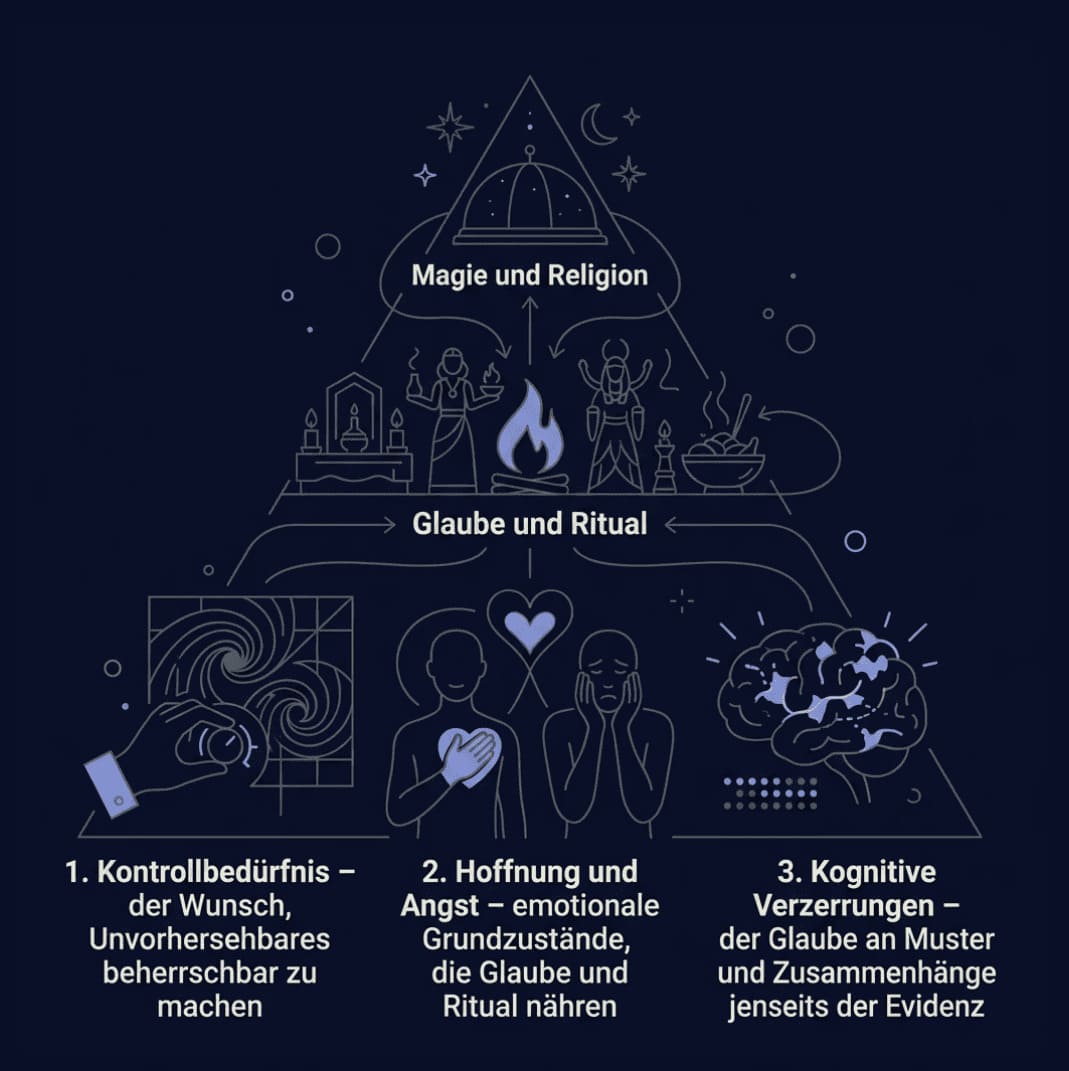
I understand this impulse so well. Who among us hasn't, in moments of helplessness, wished we knew a magic spell to ease the pain or secure the future? Magic is the attempt to tame life's uncertainty through technology.
Religion, on the other hand, breathes a completely different spirit. The word itself is often derived from Latin. religion from what „reconnection“ or „commitment“ means.
While magic attempts to control the supernatural, religion attempts to confront the supernatural. to subordinate. The fundamental difference lies in The principle of supplication and devotion.
In religion, one does not act as a master, but as a supplicant. When I pray, I am essentially saying: "Thy will be done." I acknowledge that there is a power greater than myself, one that I cannot control. I can invoke this power, I can praise it, I can plead for mercy—but I cannot compel it.
Religion is profoundly relational. It is about a relationship between the self and the other (God, the divine, the universe). In this relationship, there is no guarantee of success, as magic promises. There is only trust.
Another difference that I have often observed in my research concerns the social aspect.
Magic is often a solitary pursuit. It is functional and individual. The magician acts for themselves or a client, often in secret. It is a craft learned to achieve specific goals: wealth, healing, protection from enemies.
Religion, on the other hand, builds cathedrals, temples, and mosques. It creates communities. Religion is a collective experience that creates a shared morality and a common worldview. While magic is a Means to an end religion is often the Purpose in itself. It provides a framework for all of life, from birth to death, and connects us with our fellow human beings.
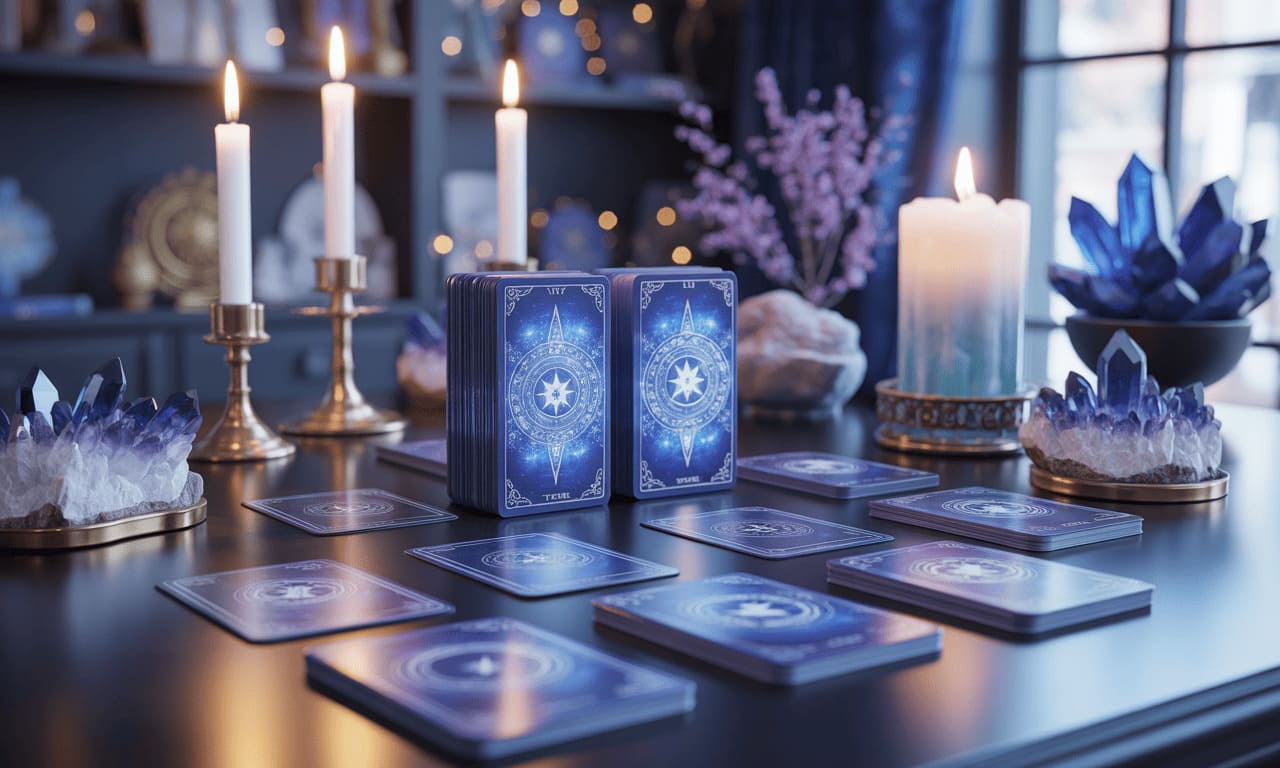
Now we could say, "Okay, magic is technology, religion is trust." But life doesn't make it that simple. If we're honest with ourselves, we find magical elements in almost every religion and a spark of religious longing in every form of magic.
Think of someone who lights a candle and says a Hail Mary, firmly convinced that this prayer alone will save their child's exam. Is that pure trust in God's will? Or is it an attempt to "buy" an outcome through an action?
In sociology, we often say that religion becomes "magical" when it becomes mechanical. When we believe that God... guilty is to help us because we have donated so much or completed so many rituals, then we are walking the path of magic.
Conversely, a modern magician who stands with deep humility before the forces of nature approaches a religious attitude.
You might be asking yourself: "Why is this important to me? I am neither a priest nor a witch."„
I believe that understanding this difference helps us clarify our own attitude towards life. In a world that constantly suggests we must optimize, control, and "manifest" everything, the magical impulse is extremely strong. We want to bend the world to our will.
But religion teaches us a forgotten art: the art of letting go. It reminds us that we are not the directors of the universe. That it can be a profound relief to admit: „I don’t know what to do. I have no control. I entrust myself to a greater guidance.“
When I look at the question today – What is the fundamental difference between magic and religion? – I see two different ways of dealing with our human vulnerability.
Personally, I believe we need a bit of both. We need the magical spirit that drives us to shape the world and solve problems. But even more urgently, we need the religious spirit that grounds us, teaches us humility, and sustains us in moments when our own strength—and our "magic formulas"—are no longer sufficient.
Magic is our courage to defy fate. It is an expression of our strength and our thirst for knowledge. Religion is our courage to show our vulnerability. It is an expression of our longing for security and meaning.

Whether you're more of a "doer" or a "seeker," the secret to life might lie precisely in the space in between. In the moment we stop demanding and start listening.
What do you think? Are you more drawn to the sovereignty of magic or to the devotion of religion? Or do these boundaries blur for you in everyday life?
I look forward to reading your thoughts in the comments. Let's continue the search together.
All love,
Your Arthur
Further links: