Physical Address
17033 Neubrandenburg
Germany
Physical Address
17033 Neubrandenburg
Germany

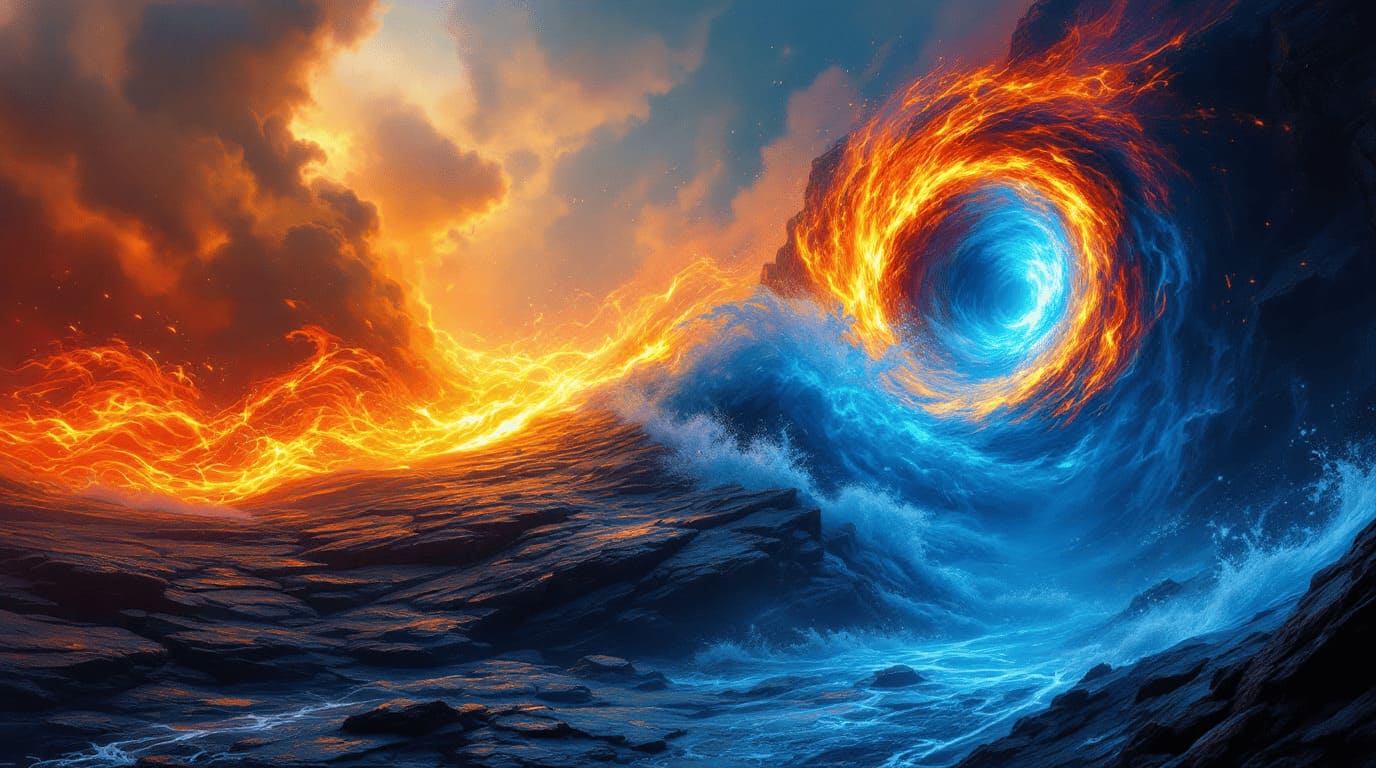
The four classical elements form the foundation of magic. They structure not only the physical world but also our consciousness. From antiquity to the present day, these forces have shaped magical practices worldwide.

The elements are universal principles. They appear in every culture and in every magical system. Therefore, they are considered fundamental building blocks of magical work.
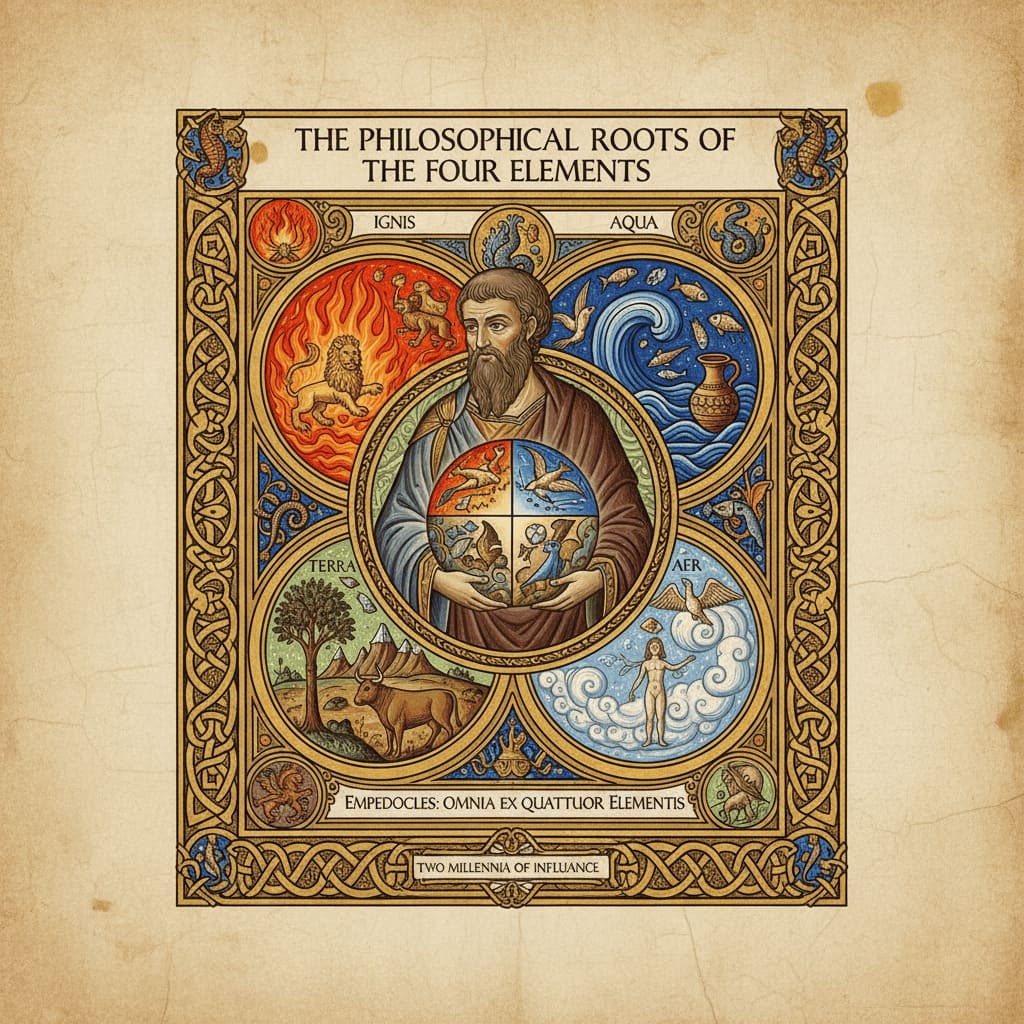
The ancient philosopher Empedocles discovered the four elements. His theory stated that the entire world is composed of them. This idea was revolutionary and influenced Western thought for over two thousand years.
The elements were more than physical substances. They embodied cosmic principles, for each element possessed its own qualities. Earth is solid and stable. Air is light and mobile. Fire is intense and transformative. Water is flowing and adaptive.
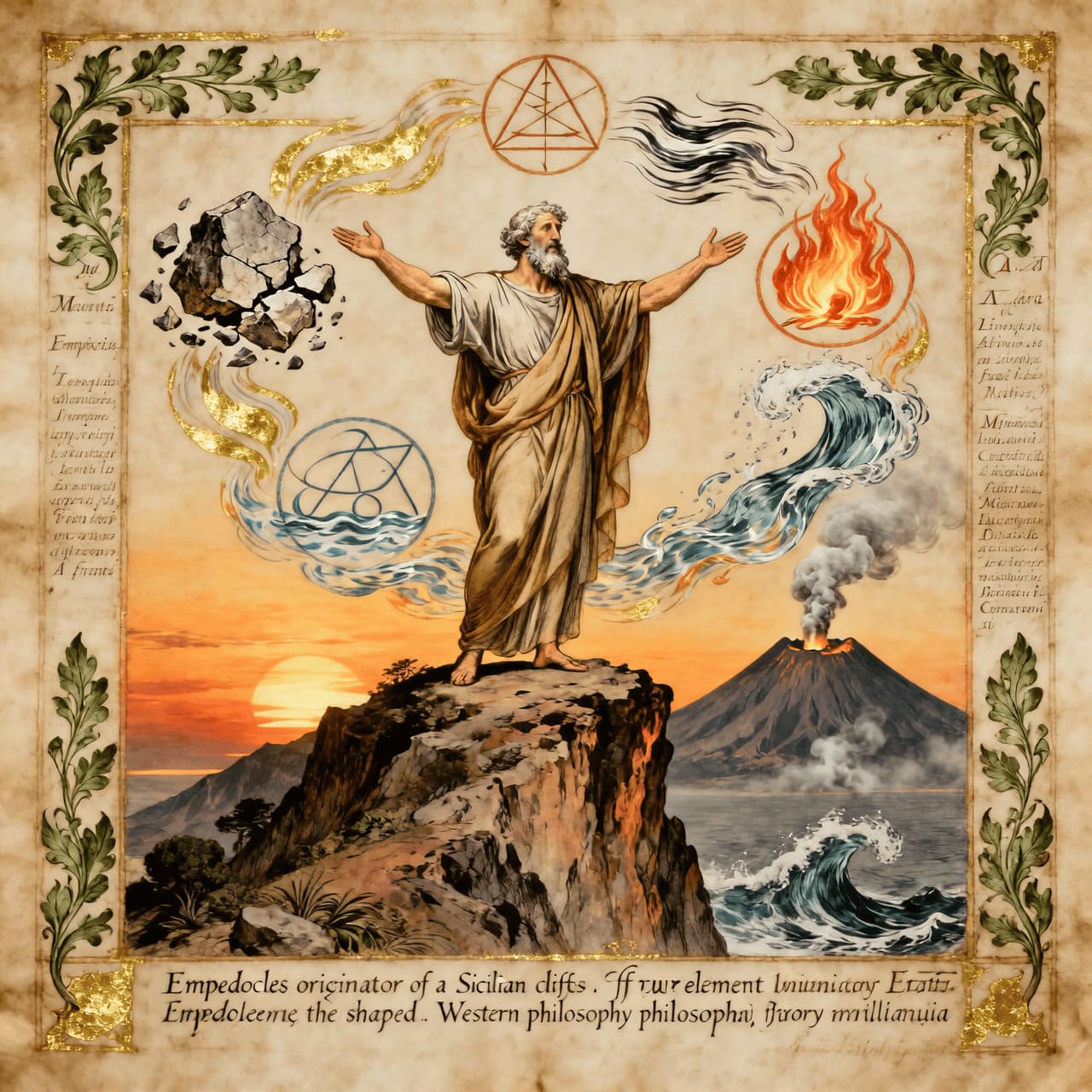
These qualities are found everywhere. They exist in nature and also in the human psyche. Therefore, magicians can understand their inner and outer worlds through the elements.
Earth represents the basis of all things. It symbolizes stability, materiality, and physical manifestation. A magician who works with earth focuses on achieving goals, because earth transforms spiritual intentions into tangible reality.
Earth is associated with the north. Its colors are green or brown. In Tarot, Earth corresponds to the Pentacle suit. Practices utilize crystals, stones, and herbs. They work with natural materials because these embody earth energy.
Earth magic is down-to-earth and practical. It aims to bring about real change. However, this requires patience and perseverance, because manifestation takes time.
In ritual practices, earth is represented by salt or stones. Sometimes magicians also use actual earth. Grounding rituals are fundamental because they connect the practitioner with physical reality.
Without grounding, magical work remains abstract. It doesn't manifest in the world. Therefore, every ritual should end with a grounding phase, as this ensures its effectiveness.
Air is the element of the mind. It represents thoughts, words, and ideas. While earth symbolizes the body, air embodies the mind. These two elements complement each other, for together they create expression and action.
Air is associated with the East. Its color is yellow or white. In Tarot, Air corresponds to the suit of Swords. Air magic deals with mental processes, as it influences thought and understanding.
A practitioner who works with air works magic for communication. They foster understanding between people because air creates connections. They also use air for intellectual clarity, because the mind needs clarity.
Smoke and incense represent air. Conscious breathing is a fundamental technique because it influences mental processes. Through controlled breathing, the magician focuses their intention, and this makes the magic more effective.
Many traditions use breathing exercises before rituals. They purify the mind and open new perspectives. Therefore, proper breathing is considered the foundation of all magical work because it connects body and mind.
Fire is the most dramatic element. It represents transformation, passion, and willpower. Fire consumes and transforms because it embodies the power of rapid change. This quality makes fire magic particularly powerful.
Fire is associated with the south. Its colors are red or orange. In Tarot, fire corresponds to the suit of Wands. Fire magic is intense and fast. It often has a dramatic effect because it directly affects the will.
A magician who works with fire casts spells for rapid change. He ignites passion because fire mobilizes emotional energy. However, he must be careful, because uncontrolled fire is destructive.
Candles and bonfires represent fire in rituals. Sometimes magicians also use burning coals. Working with fire requires control and respect because it is powerful and fast.
Controlled fire transforms positively. Uncontrolled fire, however, is harmful. Therefore, practitioners must clearly state their intention before working with fire and consider the consequences of their actions.
Water represents emotions and intuition. It symbolizes the unconscious and the deeper levels of the psyche. While air represents the conscious mind, water embodies the power of emotions. These two elements together constitute the human experience.
Water is associated with the West. Its color is blue or silver. In Tarot, water corresponds to the Suit of Cups. Water magic deals with emotional healing, as it heals through compassion.
A practitioner who works with water relies on intuition. He performs spells for love because water creates emotional bonds. He also uses water for cleansing, as it washes away old energies.
Real water, tea, or other liquids represent water. Water magic is more subtle than fire magic, but no less powerful. It works through gentle flows, because water slowly permeates everything.
The power of water lies in its endurance. It hollows out stones because it is constantly at work. Therefore, water magic can bring about profound, lasting changes if the practitioner has patience.
A complete magician works with all four elements. The balance between them is crucial, because imbalances lead to problems. Too much fire without earth leads to destruction. Too much water without fire leads to stagnation.
Air without earth remains abstract and ineffective. Earth without air becomes rigid and immobile. Therefore, magicians must integrate the forces harmoniously, because only in this way is true transformation possible.
The pentagram is a five-pointed star. The four lower points represent the four elements. The uppermost point symbolizes the mind, because the mind coordinates all forces.
This symbol shows that unity arises from diversity. The spirit unites the elements, and through this, magical power becomes possible. Therefore, the pentagram is considered one of the most important magical symbols.
A typical elemental ritual proceeds as follows: The practitioner stands at the center. He invokes the four cardinal directions. East and air are invoked first. Then south follows with fire. West brings water. North brings earth.
These invocations create a protected space because the elements form a boundary. They also focus attention, as concentration is concentrated. This opens channels to the elemental forces.
During the ritual, the magician uses specific tools. For earth, he uses crystals or stones. For air, he uses smoke or feathers. For fire, he uses candles or coals. For water, he uses real water or tea.
Each tool embodies elemental energy because it comes directly from nature. This amplifies its magical effect, and therefore all tools should be treated with respect.
Carl Jung recognized the elements as psychological functions. Earth corresponds to sensation, because it is perception-based. Air corresponds to thinking, because it has an analytical effect. Fire corresponds to intuition, because it creates insight. Water corresponds to feeling, because it is emotional.
These associations are not random. They reflect profound psychological truths because each element represents a function of consciousness. Therefore, magical work is also psychological development.
A practitioner who works with fire develops willpower. This happens because fire activates the intuitive aspects. A practitioner who works with water heals emotions. This is possible because water penetrates the unconscious.
At this level, magic becomes psychotherapy. It integrates unconscious content. It harmonizes various psychological functions. Therefore, true magical practice is always also inner healing, because it transforms the whole person.
Western tradition uses four elements. However, other systems exist. The Chinese system has five elements: wood, fire, earth, metal, and water. These systems are equally valid because each culture possesses its own wisdom.
Some modern practitioners integrate multiple systems. They combine Western and Eastern approaches because this creates a deeper understanding. This demonstrates that the elements are universal yet allow for cultural diversity.
Modern magic encompasses various schools. Some follow classical Western traditions such as Hermeticism or Wicca. Others develop new approaches as times change. Some practitioners even utilize scientific findings to deepen their work.
What remains constant is the role of the elements. They are timeless and universal because they represent fundamental forces. Therefore, they will continue to be central to magic in the future.
The four elements play a central role in magic. They represent universal principles, as they operate both externally and internally. They offer a practical framework for magical work because they are concrete and comprehensible.
At the same time, the elements are infinitely complex. They are worth exploring for a lifetime because new aspects are constantly revealing themselves. A magician who masters the elements not only finds tools for external change, but also a path to self-knowledge and inner transformation, because the elements serve as a mirror to the soul.
„Elements in the Tarot Colors“→
➡️German folk magic: The hidden Tradition of folk magic