Physical Address
17033 Neubrandenburg
Germany
Physical Address
17033 Neubrandenburg
Germany

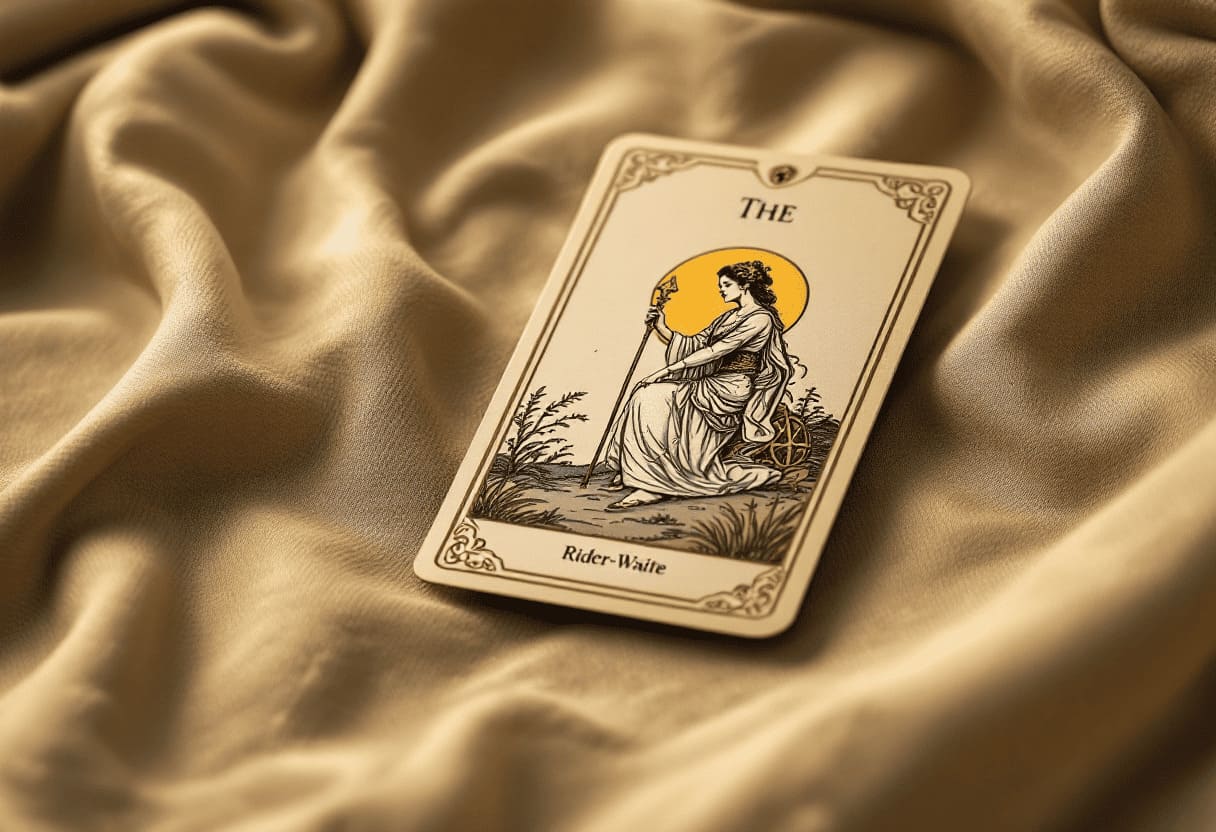
The Tarot is far more than a set of cards for divination. It is a mirror of human experience, an archive of universal archetypes, and a fascinating piece of European cultural history. For centuries, this deck of 78 cards has inspired artists, philosophers, and seekers alike.
Join us on a journey to the origins of the Tarot, decipher its historical development and immerse yourself in the multifaceted world of its symbolism.
Before the Tarot became an esoteric tool, it had a much more mundane purpose: it was a card game for high society.
Most reputable historical sources place the origin of the Tarot in the Italian Renaissance. Around 1420, the first decks appeared in northern Italy, particularly in Milan and Venice, which were known as Carte da Trionfi (Triumph cards) or later Tarocchi became known.
Key facts:
In the 18th century, the mystical reinterpretation of the Tarot began. The French occultist Antoine Court de Gébelin falsely claimed that the Tarot originally came from the... ancient Egypt and is in truth the Book of Thoth (an allegedly secret work of knowledge).
Although this theory is not historically tenable, it profoundly shaped the esoteric understanding of the Tarot and led to its association with the Jewish Kabbalah – a connection that was greatly popularized by scholars such as Eliphas Lévi in the 19th century.
The use of Tarot for Divination Divination is relatively recent. It was only in the late 18th century that French fortune tellers began using cards in reading circles to answer questions.
The biggest revolution in the Tarot world occurred in 1909 with the publication of the Rider-Waite-Smith (RWS) Decks.
The occultist Arthur Edward Waite and the artist Pamela Colman Smith created a deck that was fundamentally different from its predecessors:
The RWS deck and its countless derivatives are now the worldwide standard.
A complete Tarot deck consists of 78 cards, divided into two main groups known as the Arcana (Latin: arcana ( = secrets).
The 22 trumps (from 0: The Fool to XXI: The World) represent the spiritual journey of man – often referred to as the „Fool’s Journey“.
They address the most important life lessons, universal laws, and fundamental psychological states. When they appear in a reading, they point to major, long-term influences or fateful events.
| Map (Example) | Meaning |
|---|---|
| 0. The Fool | New beginnings, innocence, a leap into the unknown |
| III. The Empress | Fertility, abundance, nature, femininity |
| XIII. Death | Transformation, end of a cycle, profound change |
| XIX. The Sun | Success, joy, vitality, clarity |
The 56 cards of the Minor Arcana deal with the everyday situations, challenges and relationships of life. They are divided into four colors, which correspond to the four elements and areas of life:
| Color (symbol) | element | Living area |
|---|---|---|
| Wands | Fire 🔥 | Passion, creativity, career, will |
| Cups | Water 💧 | Emotions, relationships, intuition, love |
| Swords | Air 🌬️ | Intellect, conflict, truth, challenges |
| Coins/Discs (Pentacles/Disks) | Earth ⛰️ | Material possessions, finances, security, body |
Each suit consists of ten number cards (Ace to Ten) and four court cards (Jack, Knight, Queen, King), which represent different ranks or personalities within the respective area.
The true depth of the Tarot lies in its rich symbolism. Each drawing is a distillation of centuries of spiritual, mythological, and numerological meaning.
The numerical order The Major Arcana is crucial. Numbers symbolize specific phases:
The figures in the Tarot are Archetypes In the sense of the psychologist Carl Jung, they embody universal psychological patterns that are deeply rooted in the collective unconscious:
Reading the Tarot is not just about predicting the future, but about recognizing these archetypes in our own lives and understanding which forces are currently at work.
From the opulent Italian salons to modern esoteric circles, the Tarot has come a remarkable way. It proves that images and symbols speak a timeless and universal language.
Whether you view the Tarot as a tool for self-reflection, a historical curiosity, or a medium of divination, it always serves as a mirror. It reflects our innermost selves and illuminates the paths we must take to find fulfillment and wisdom.
Which Tarot archetype appeals to you most today?