Physical Address
17033 Neubrandenburg
Germany
Physical Address
17033 Neubrandenburg
Germany

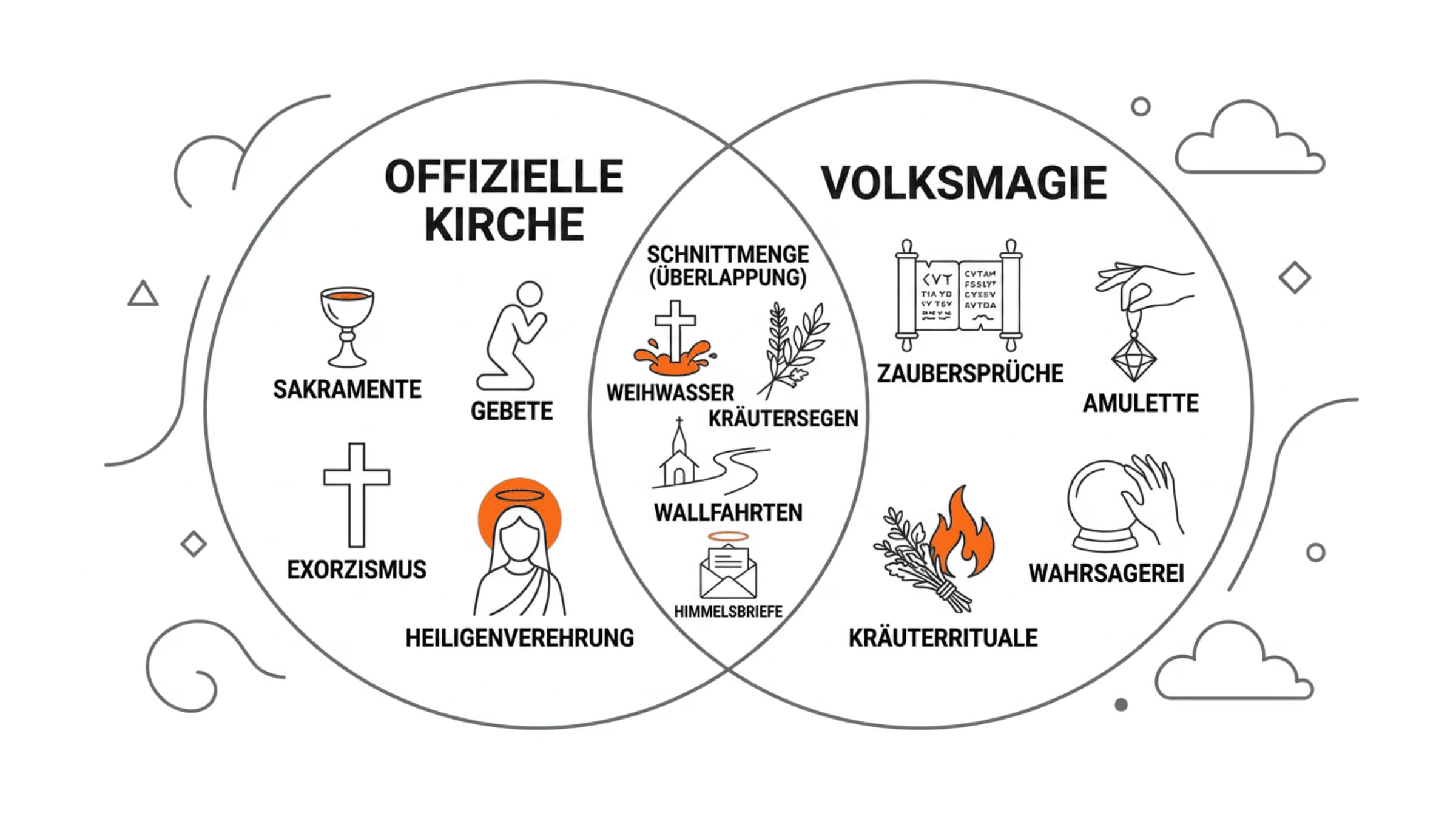
German folk magic is a fascinating Chapter in the history of European magic, which is deeply rooted in the roots of German culture and Tradition. This ancient practice combines pagan rites, Christian elements and practical everyday magic to a complex and rich magic System, which remained for centuries in the rural communities alive.
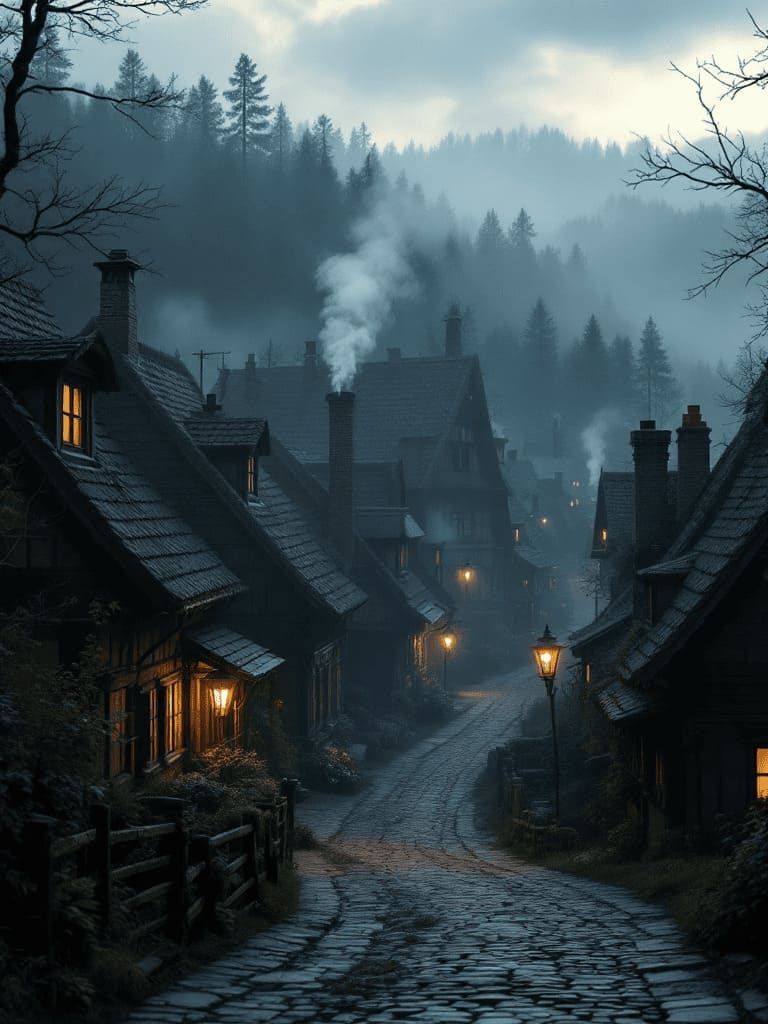
The German folk magic originated from a fusion of different influences. The original Germanic and Celtic traditions were the basis, during the Christianization added new layers. In particular, during the middle ages, an independent Form of magic, which is widely documented, less than spectacular witch-hunts that dominate the public consciousness evolved.
What is the German folk magic from other European traditions difference was their pragmatic nature. She focused less on the great cosmic operations, and more in a practical, everyday problems. A village of mages, known as the „Knows“ or „way“, was a respected figure who helped people to heal your livestock diseases, to cast love spells or to find lost objects.
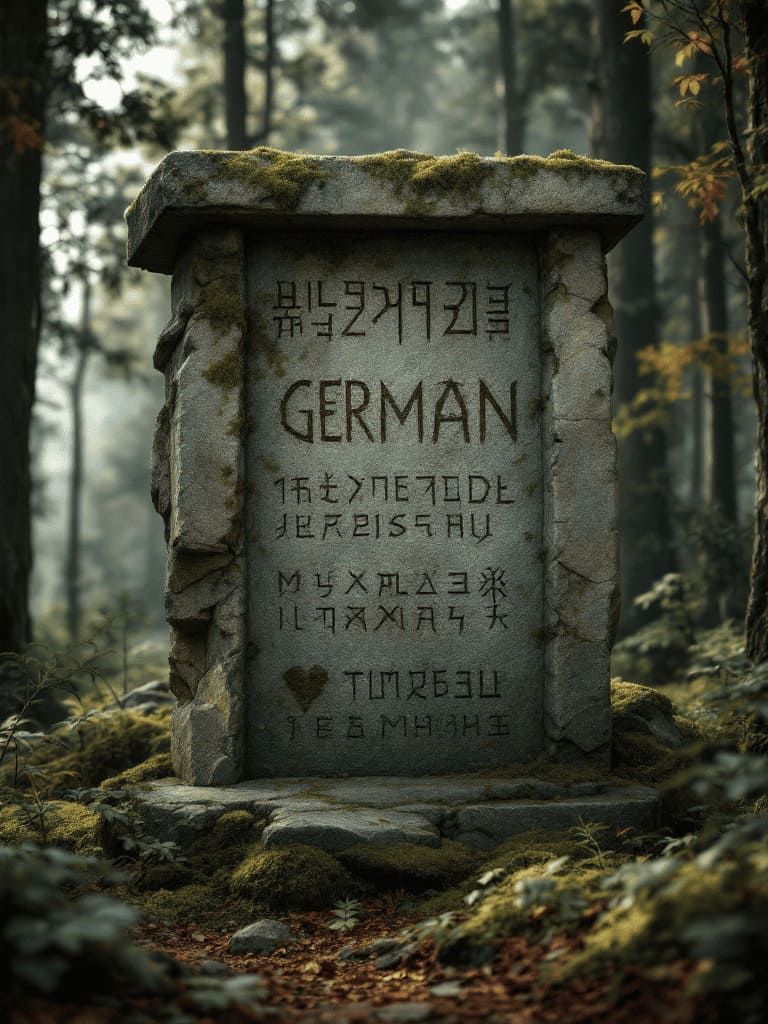
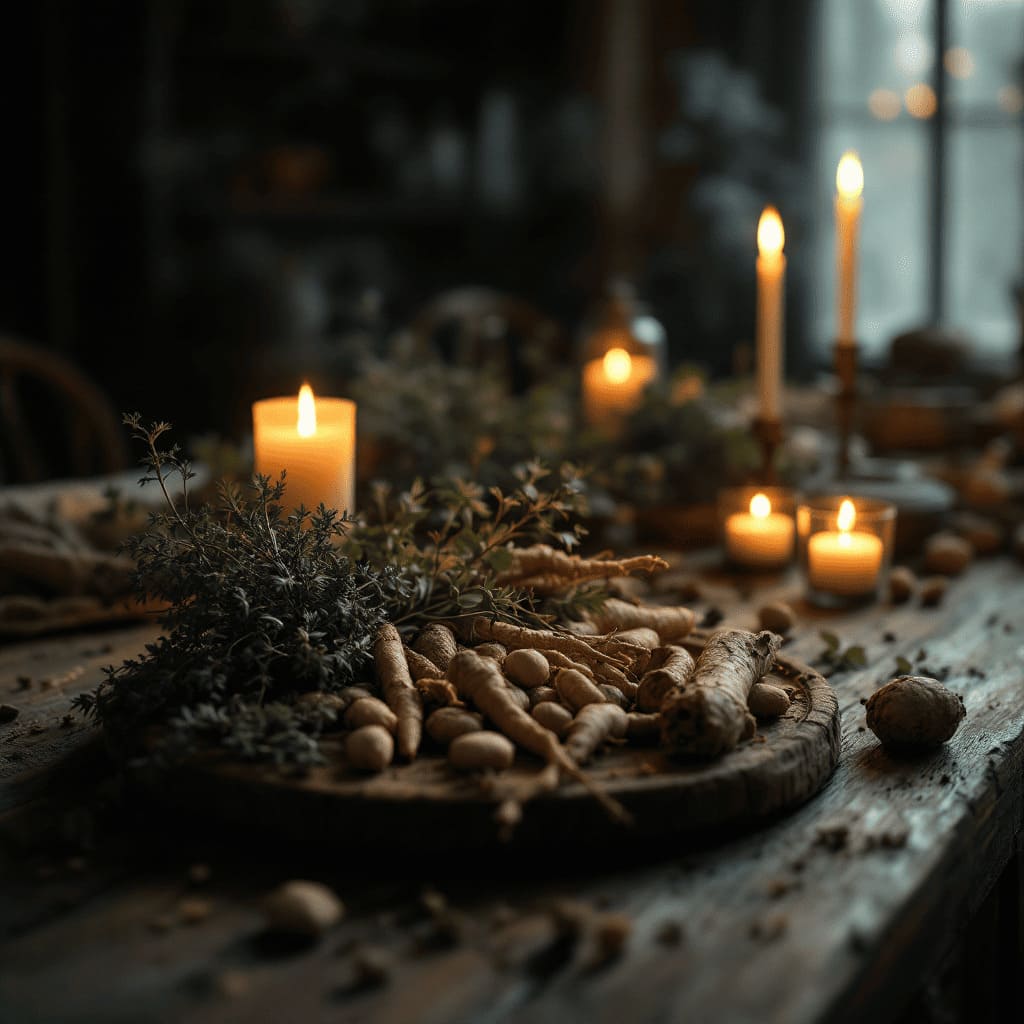
The German people, magic was marked by several distinctive elements. The Herbal magic played a Central role, where medicinal herbs were valued not only for their physical effect, but also for their magical properties. St. John's wort, mugwort, and celandine were more than just a cure – they were tools of magical practice.
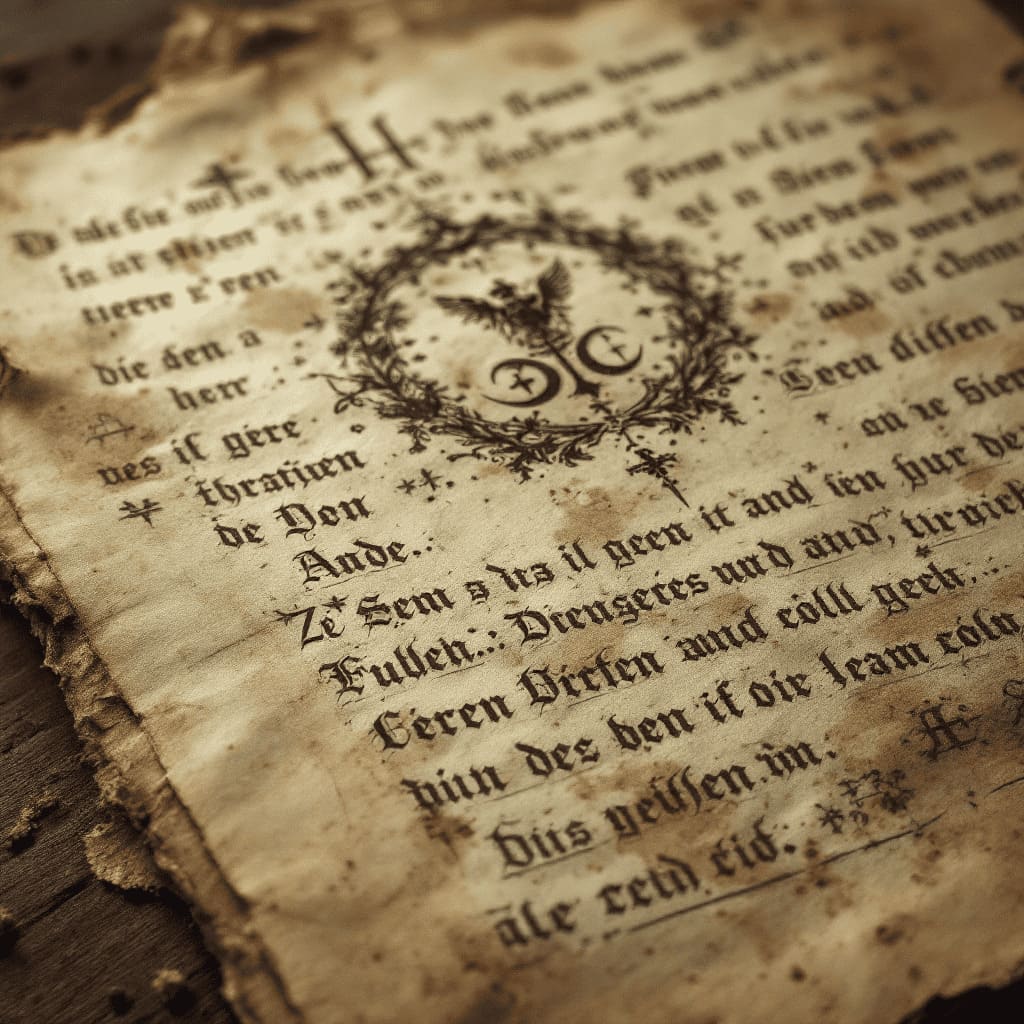
Another feature of the was Word magicthe use of spells, blessings, and ritual formulas. These words had an almost sacred power, and their exact wording was crucial. They were often written in rhyme form what was to remember them easier and give you an additional rhythmic force awarded.
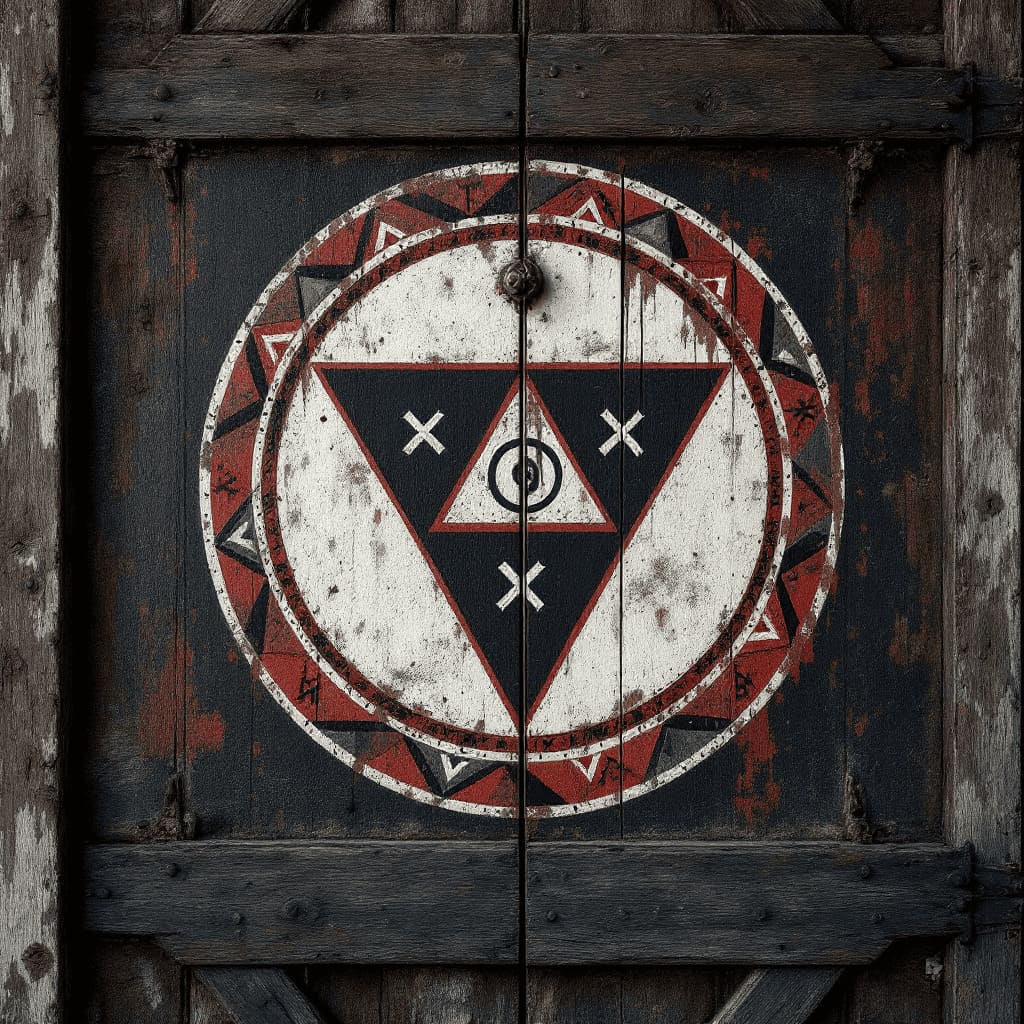
The Object magic it was also widely used – the use of physical objects as the focus points or symbols of the Intention. Dolls, node, wax figures, and other materials have been used to represent goals and to pursue magical goals.
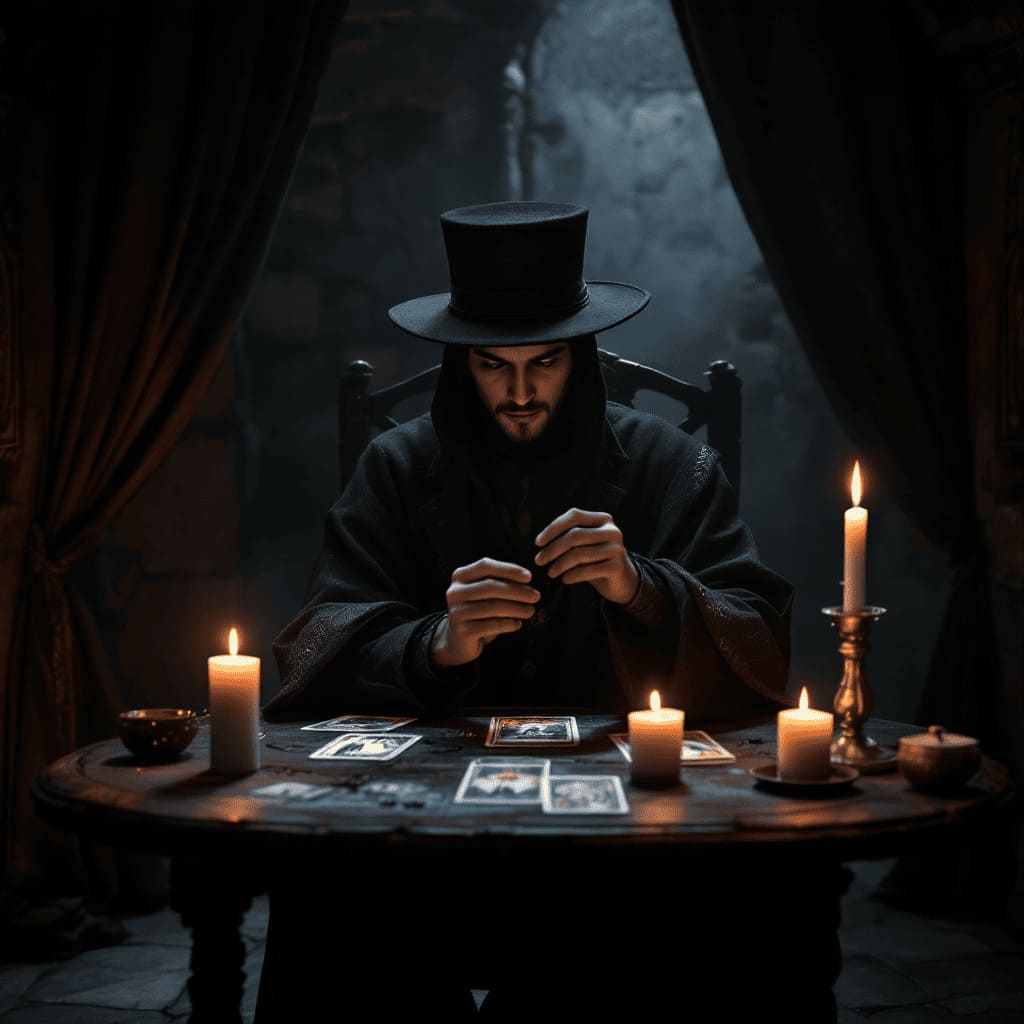
Lead casting new year's eve, dream interpretation and Losorakel were common forms of the Future. The Farmer's calendar integrated astrological and magical elements in the agricultural everyday life.
An interesting aspect of the German folk magic your dealing with supernatural beings was. The Tradition recognized a complex hierarchy of spirits, demons, and other entities. Unlike the scholars of the magic of the Renaissance, there were fewer Attempts to control these beings, but rather a pragmatic Negotiate and Appease.
The Protection magic was particularly important in the daily life of peasants. Peasant men wore amulets, inscribed their homes with runes and magical signs, and resulted in protection rituals. The pentagram, the runes and Christian symbols were often combined to create a comprehensive magical protection.
A fascinating aspect of the German folk magic, their interconnectedness with Christian practices. This was not a contradiction for the people – rather, they imagined a world in which the Christian Holy magic powers possessed and in worldly Affairs interventions. Prayers to saints had magical power, and Christian symbols were combined with pagan techniques.
This synthesis was to protect the people of magic to a certain degree. While scholars of magic and witchcraft were followed, could the folk magic as a „superstition“ or „popular piety,“ under the Radar, a strategy that has kept many people from persecution to remain.
✔️With the enlightenment and industrialization began to wane, the German folk magic. The rationalization of society, the spread of scientific education, and the decline of the rural way of life undermined the foundations of this Tradition. Many practices have been demoted to the customs of the people, of their original magical power deprived.
✔️However, the German people's magic disappeared not quite. Your after-effects show up today in folk customs, superstitions and traditional practices. Interestingly, she experienced a Renaissance in the modern Heide shaft movement and contemporary practitioners who explore this rich Tradition and re-interpretation.
The German people, magic was never a magic of the Grand Gestures or cosmic power, but a magic the practical solution of the local community and the accurate observation of natural forces. She embodied a belief in the Material and the Spiritual woven together were at the top, in the words of power and of each herb and each Symbol a meaning possessed.
Today's re-discovery of this Tradition is not just a nostalgic look at the past, but a recognition of the depth and sophistication of a magical practice that has helped many centuries people to understand their world and manage it. In an increasingly alienated world, the German folk magic may perhaps offer something very valuable: a reminder that magic does not always have to be exotic or remote, but in the herbs of the garden, and in the words of our traditions alive.
I hope this article is helpful for your Blog! It provides a comprehensive Overview of the German folk magic with historical context, practical Details and a reflective conclusion.