Physical Address
17033 Neubrandenburg
Germany
Physical Address
17033 Neubrandenburg
Germany

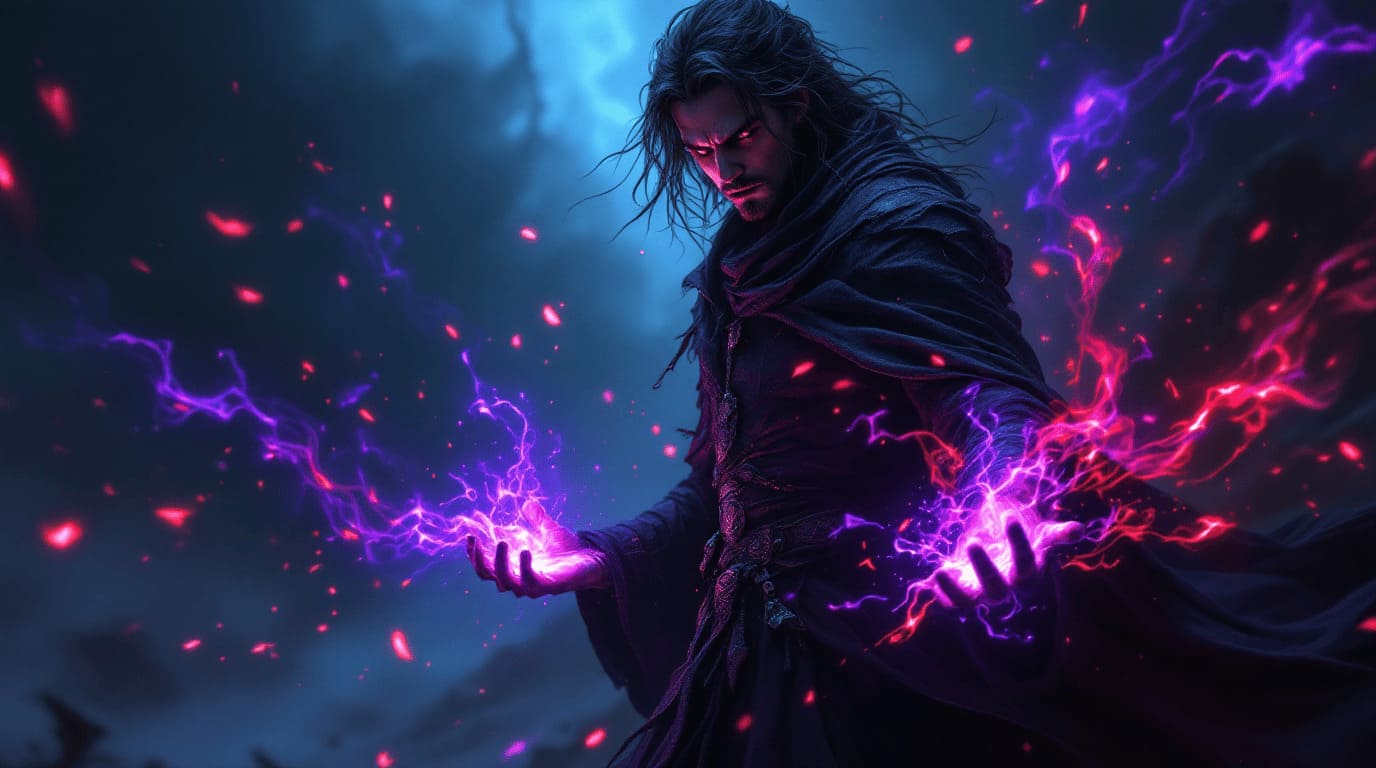
What types of magic are there? Immerse yourself in the world of mysticism and learn all about the differences and effects of the various types of magic.
In anthropology, a common distinction is made: Religion is usually based on a supplication to higher powers (gods, spirits) whom one encounters through prayers and sacrifices. Magic, on the other hand, aims to directly influence nature or events through specific rituals, formulas, or actions. The magician often sees themselves in an active, controlling role, while the believer acts in a submissive or supplicant role.Between the wand and prayer
This concept, significantly shaped by the anthropologist James Frazer, is divided into two principles:
This distinction is ethical in nature. „"white magic"“ This refers to actions that aim to heal, bless, or do good. „Black magic“ In contrast, it encompasses practices that aim to harm or manipulate others, or to disrupt the natural order through dark forces. Historically, however, this distinction is fluid, as it often depends on the perpetrator's intent.
Ceremonial magic is a highly complex, structured form of magic heavily influenced by Western esotericism. It involves the invocation of entities, the use of magic circles, seals, robes, and special tools (such as staffs or daggers). The goal is usually the spiritual transformation of the magician or the attainment of power over certain natural forces.
Folk magic refers to everyday, often informal practices deeply rooted in many cultures. These are not complex ritual systems, but rather traditional customs and protective charms. Examples include knocking on wood, carrying lucky charms, or simple protective stimuli intended to ward off misfortune in daily life.
Many magical traditions (such as Neopaganism) view magic as working with the energies of nature. This involves utilizing the four elements (earth, water, air, fire) or lunar and solar cycles. The magician does not see themselves as a "conqueror" of nature, but rather as someone who learns to work in harmony with its existing energies.
Yes, from a psychological perspective, magic can be understood as a form of self-suggestion or as an expression of the need for control in an unpredictable world. Rituals can help sharpen mental focus, reduce anxiety, and achieve a state of concentration (trance) that allows the individual to approach tasks with greater confidence.
Chaos magic is a modern understanding of magic that emerged in the 1970s. It rejects dogmatic systems. The chaos magician believes that magic works through "flexibility of belief": one uses the system that appears most effective for the desired goal at any given moment (regardless of whether one draws from Buddhism, pop culture, or quantum physics).
Divination is often considered a form of "passive magic." It's not about creating the future, but rather about gaining deeper insights into the present and potential future trends. Tools used include cards (Tarot), runes, astrology, or reading natural signs to make more informed decisions.
Although we live in a scientifically driven world, magic remains relevant as a cultural phenomenon. It reflects human longings for meaning, connection with nature, and self-efficacy. In literature, film, and increasingly in modern wellness and mindfulness movements, "magical thinking" (the idea that intention and action can change the world) finds repeated expression.