Physical Address
17033 Neubrandenburg
Germany
Physical Address
17033 Neubrandenburg
Germany

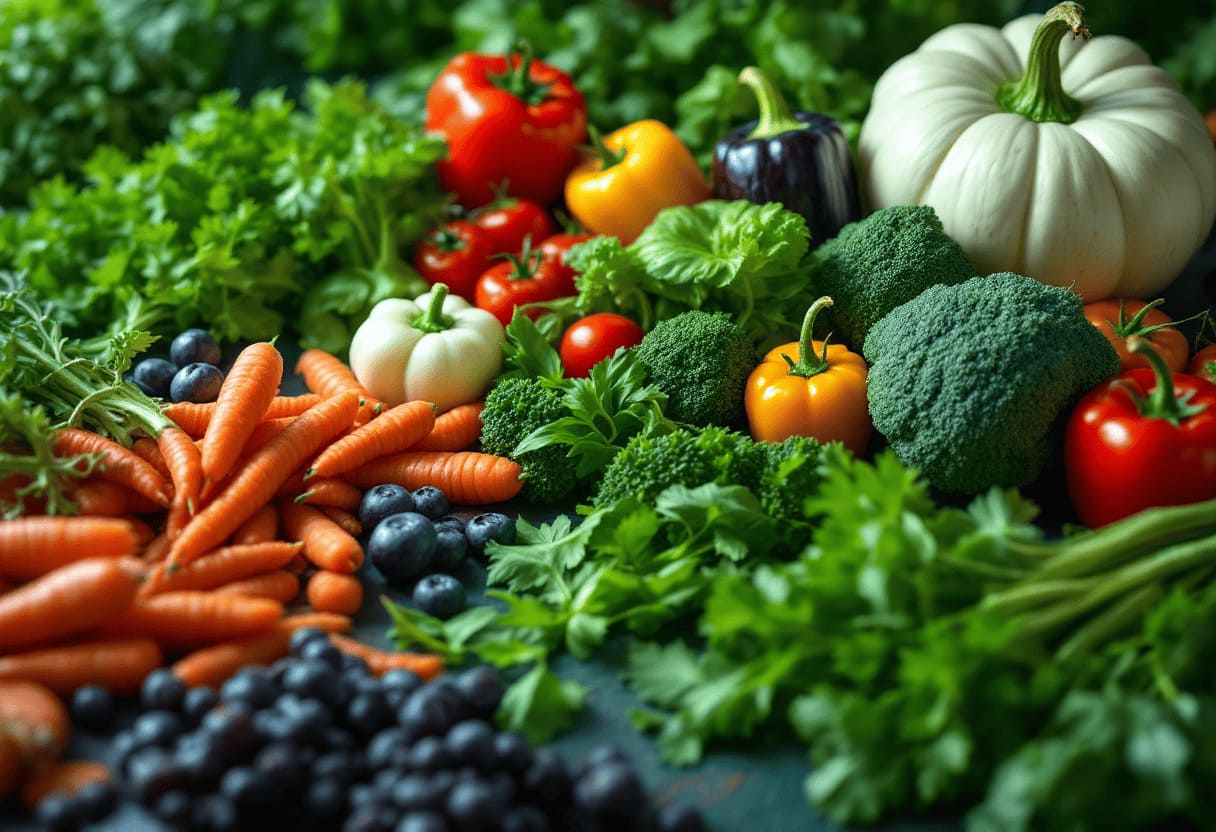
Fruits and vegetables are the cornerstones of a healthy diet. They are packed with vitamins, minerals, and fiber. But in a time when food safety is becoming increasingly important, many people are asking themselves: How can I ensure that my fresh produce is not only healthy but also safe?
The good news first: The benefits of consuming fruits and vegetables far outweigh the potential risks. However, with a few simple steps, you can sustainably improve the safety and hygiene of your fresh produce – from selection at the supermarket to your plate.
When we talk about the safety of fruits and vegetables, we usually focus on two potential problem areas:
Germs such as Salmonella, E. coli or Norovirus They can get onto the products through contact with soil, water, untreated fertilizers, or through cross-contamination during transport or in the kitchen.
Chemical substances used to protect plants can remain in small quantities on the surface or inside the products. Although legal limits are strictly controlled in Germany and the EU, many consumers want to reduce their intake of these substances as much as possible.
The protection doesn't begin with washing. It encompasses the entire journey of the product until you eat it.
You lay the foundation for safe food as early as in the supermarket or at the weekly market.
Storage has a major impact on shelf life and safety.
This is the most important step in eliminating pathogens and surface residues.
Wash your hands with warm water and soap for at least 20 seconds before you start preparing food and after handling raw meat or fish.
The Federal Institute for Risk Assessment (BfR) It is advised against using soap, dish soap, or bleach to clean fruits and vegetables. These substances are not intended for consumption and can themselves leave residues.
Here's how to wash correctly:
Tips to soak fruit and vegetables in diluted vinegar or special washing solutions to kill germs appear time and again.
What the experts say:
A slightly diluted vinegar bath can have an additional germicidal effect, but not absolutely necessary. Vinegar can alter the taste of the product, must be rinsed off thoroughly afterward, and is no more effective than thorough rubbing under running water. Special commercial vegetable washing-up liquids generally offer no demonstrable advantage over cleaning with water.
The safety of fruit and vegetables is largely a matter of care and hygiene in one's own household.
By following simple rules when shopping, storing, and especially preparing food (wash your hands, rinse them under running water, and pat them dry), you can minimize potential risks and enjoy the full freshness and nutritional benefits of your food. Eat colorful, eat fresh – and eat safely!