Physical Address
17033 Neubrandenburg
Germany
Physical Address
17033 Neubrandenburg
Germany

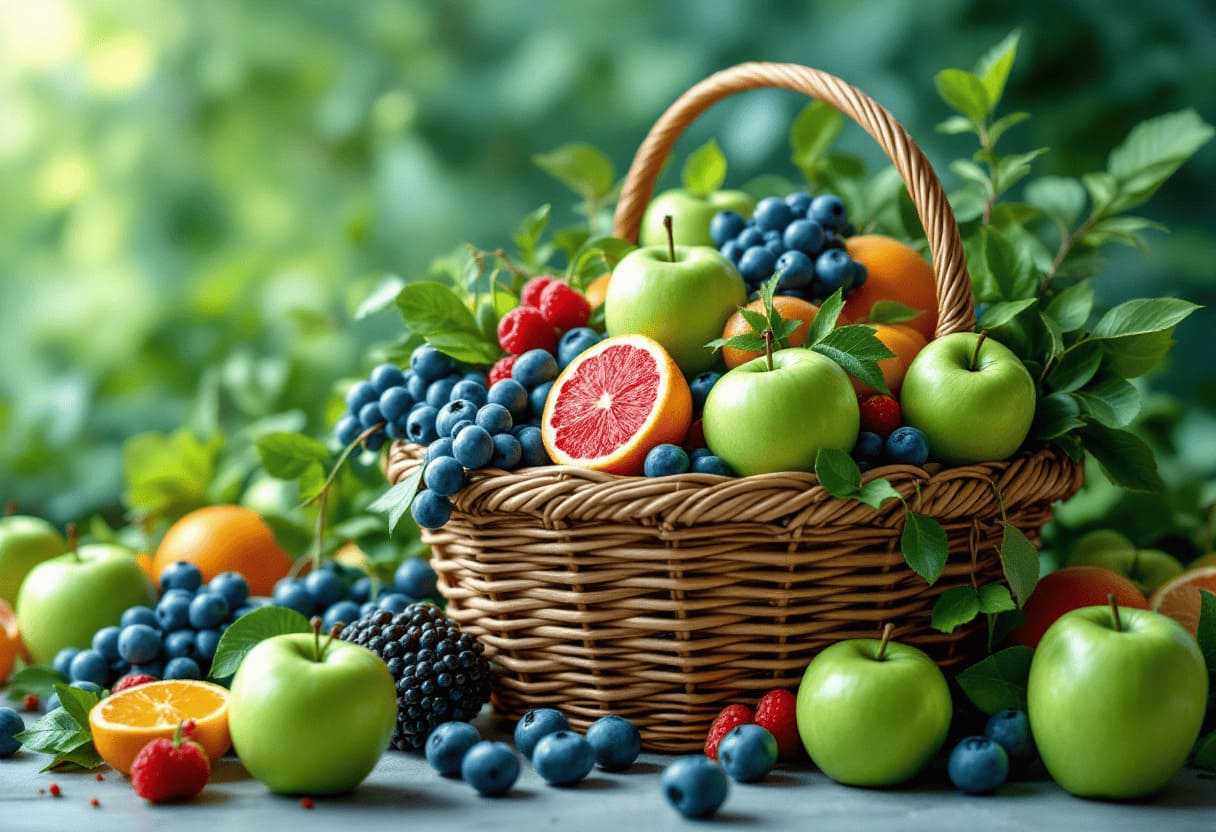
Imagine biting into a piece of fruit – and the bill coming in at hundreds, maybe even thousands of euros. For most of us, that's an absurd thought. But in the world of luxury goods, there are fruits that justify this price – or at least are paid for by connoisseurs. These exotic delicacies are far more than just a sweet dessert; they are a status symbol, a work of art, and the result of years of meticulous cultivation.
Let's take a look at some of the most expensive fruits the world has to offer:
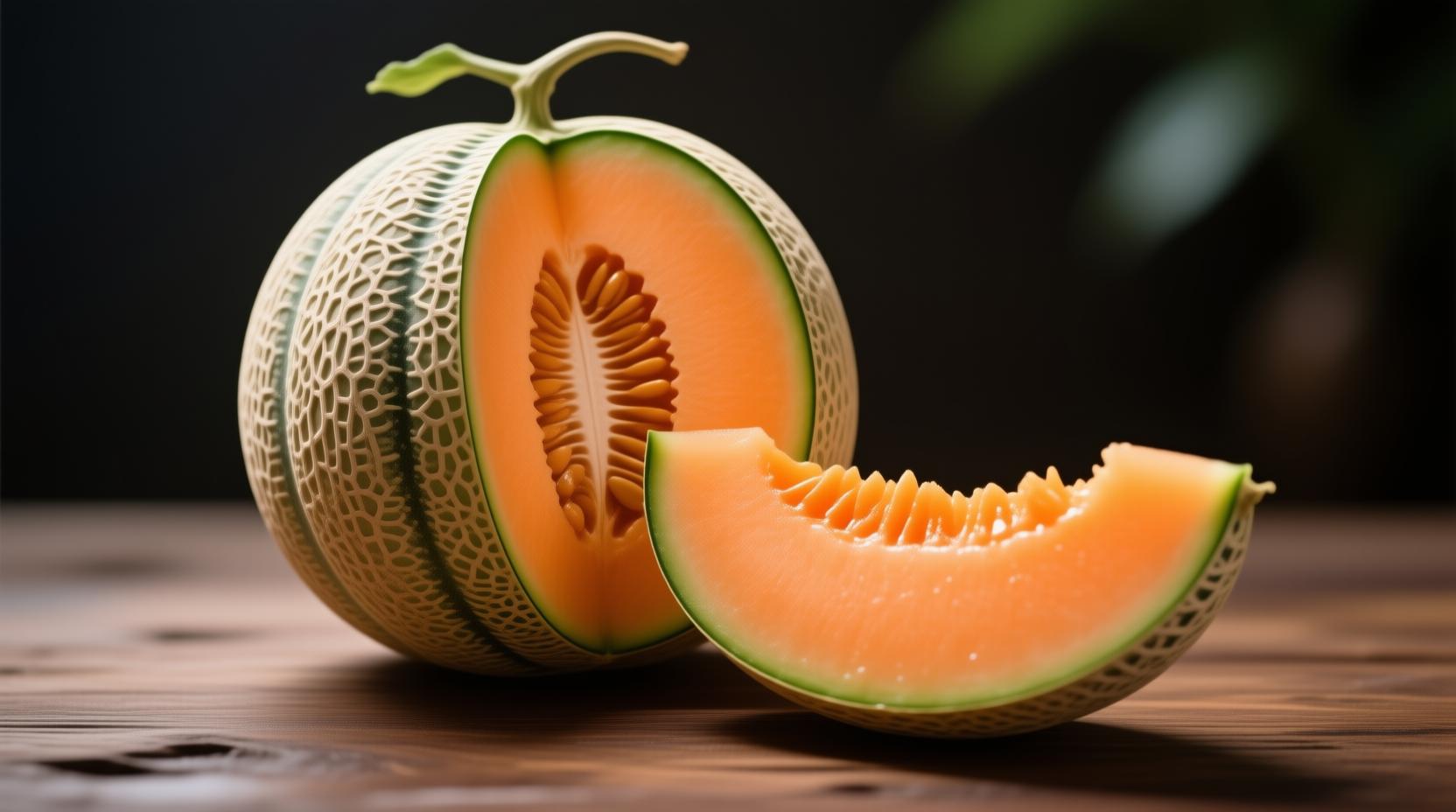
This orange-fleshed honeydew melon from the Yubari region of Hokkaido, Japan, is probably the most famous of the most expensive fruits. The Yubari King melon is renowned for its perfect roundness, smooth rind, and exceptionally sweet, juicy flavor with a hint of spice.
Why so expensive? Their scarcity and the labor-intensive cultivation play a major role. Each melon is tended by hand and meticulously inspected for quality. Often, the first fruits of the season are sold at auctions, where they can fetch record prices – sometimes. up to 20,000 euros for a pairThese melons are often gifts intended to strengthen social relationships.
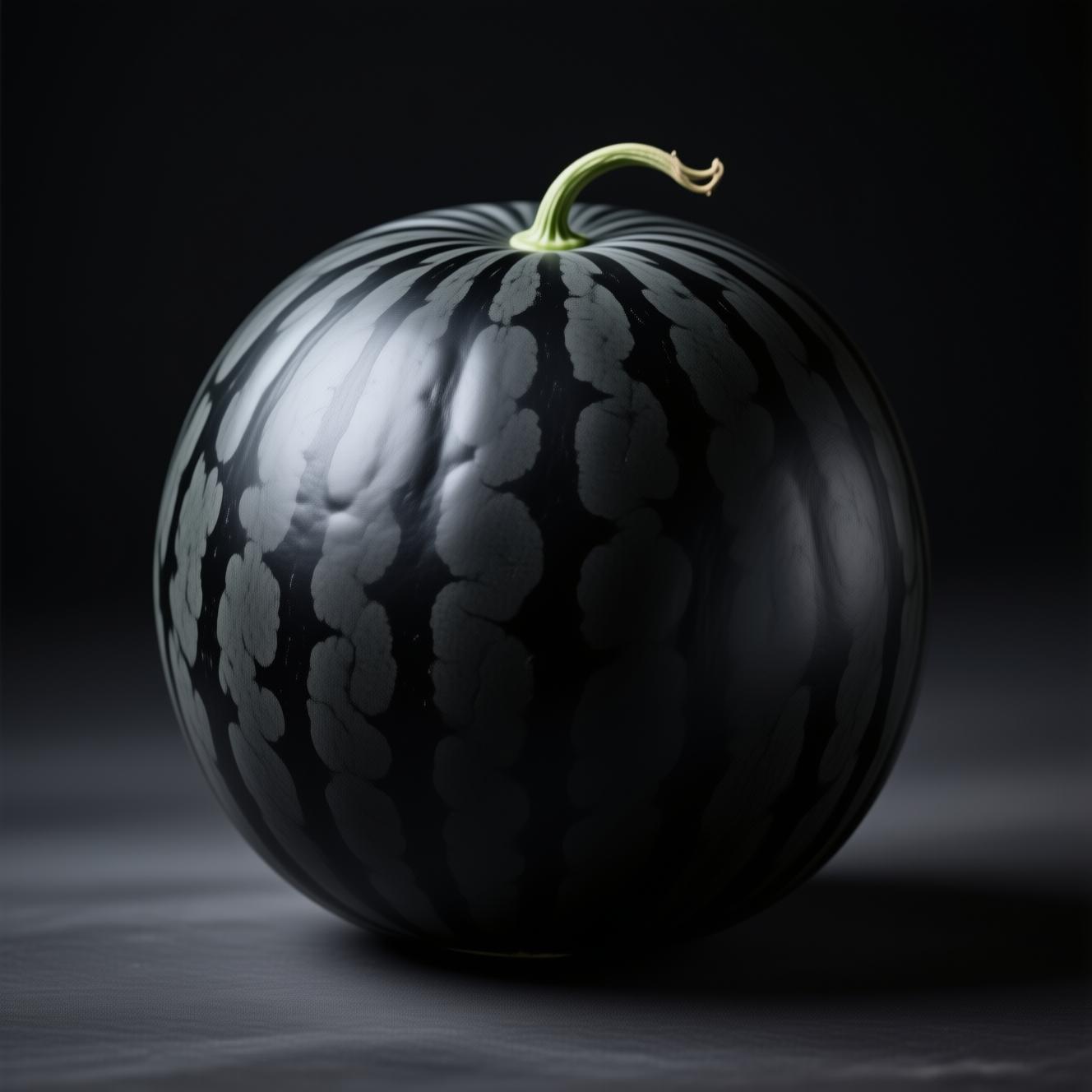
Another Japanese exclusivity: The Densuke watermelon, also from Hokkaido, is unmistakable thanks to its deep black, smooth rind and crisp, sweet flesh. It is known for its unique balance between sweetness and freshness.
Why so expensive? Here too, the small cultivation area and strict selection are crucial. Only about 10,000 to 15,000 fruits are harvested per year. The best specimens can be found at auctions. several thousand euros costs, with peak prices of up to 6,000 euros.
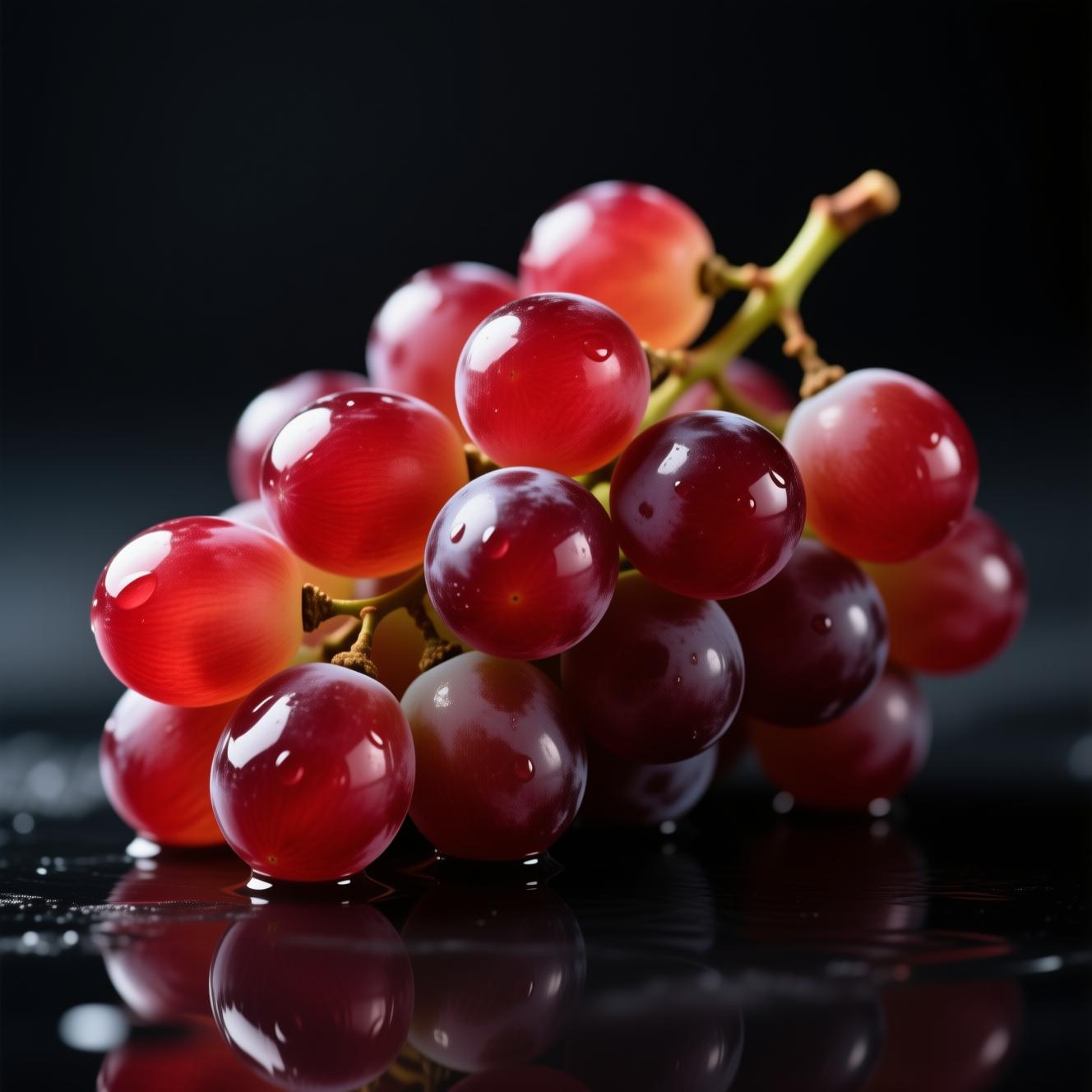
These deep red grapes from Japan's Ishikawa Prefecture are true beauties. Each individual grape must weigh at least 20 grams and have a sugar content of at least 181 THP3T. The color is an intense red, and the taste is incomparably sweet and juicy.
Why so expensive? Cultivation is extremely complex, and the harvest is strictly limited. The grapes are individually evaluated and sold. The most expensive berries can be found at auctions. Hundreds of euros cost, and a whole bunch of grapes can certainly several thousand euros achieve up to 10,000 euros or more for the top-quality specimen.
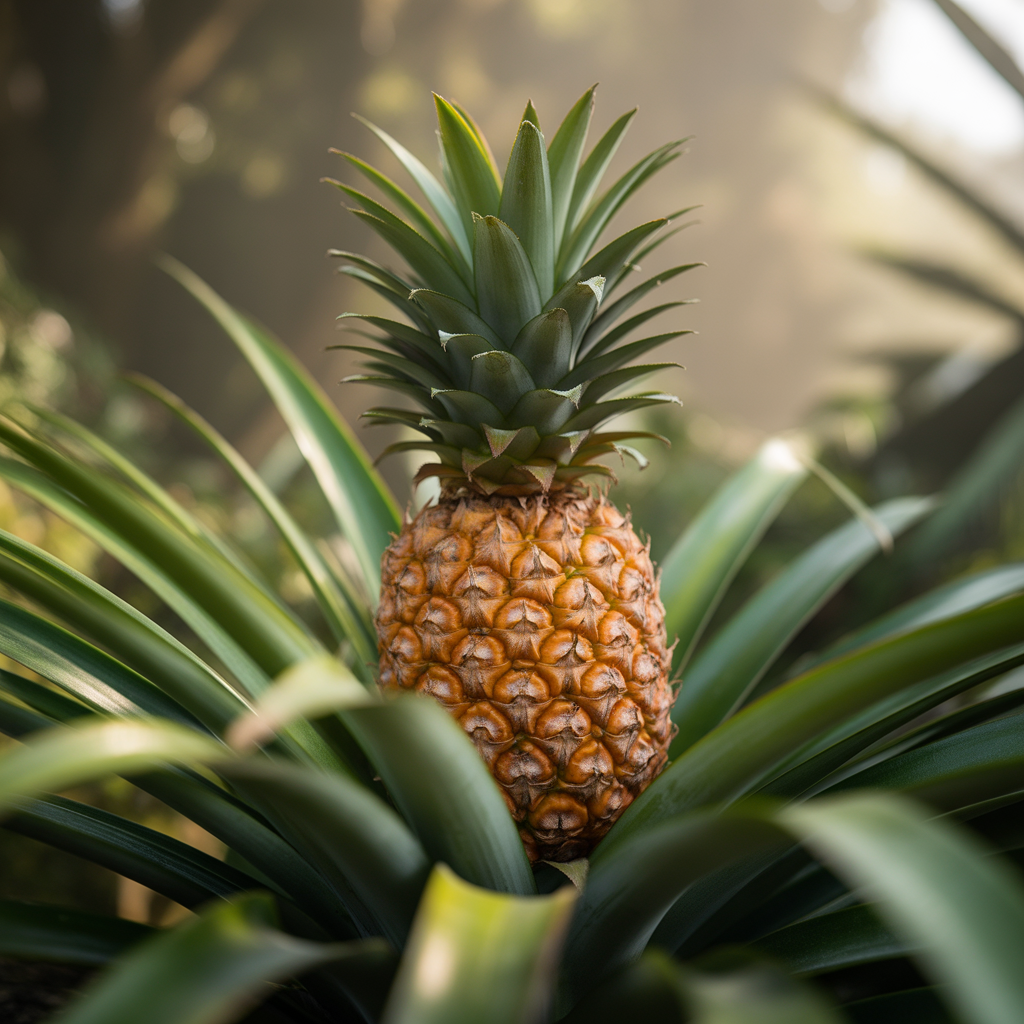
This pineapple is not only expensive, but also steeped in history. The fruit is grown in the historic greenhouses of the Lost Gardens of Heligan in Cornwall, England, using an elaborate and traditional method. The pineapples are buried in horse manure and hay to generate the necessary heat – a process that takes months.
Why so expensive? The immense effort and the small harvest are decisive factors. Since these pineapples are not intended for sale, but only serve as a demonstration for visitors to the gardens, their value is almost immeasurable. If they were ever to be sold, they could fetch a high price due to the effort involved and their uniqueness. several thousand euros achieve.
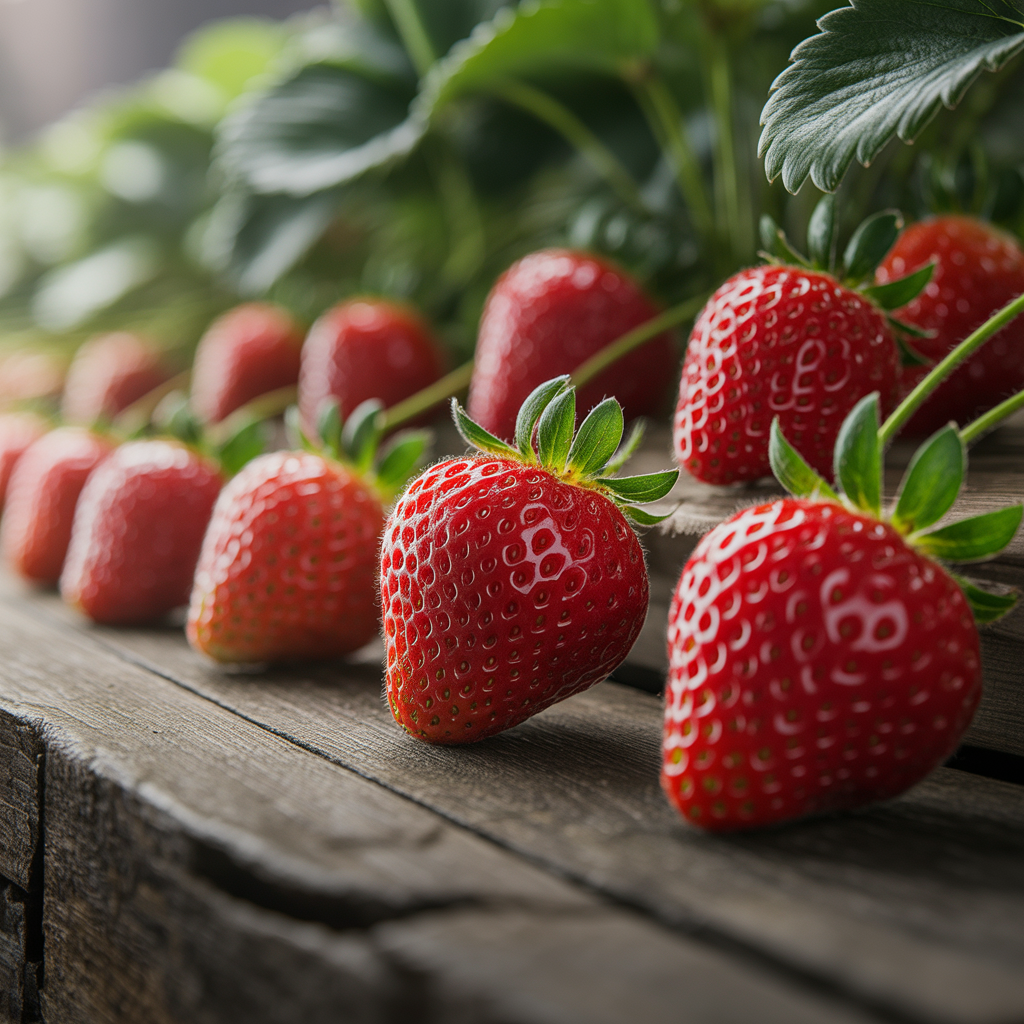
While strawberries are a common sight in our society, in Japan there are varieties that are considered true luxuries. The "Bihou" strawberries from Fukuoka are known for their perfect shape, deep red color, and sweetness.
Why so expensive? Each individual strawberry is cultivated by hand and inspected for flaws. Even the slightest imperfection is enough to disqualify it from the top quality range. A single specimen can several euros cost, while a box of particularly perfect strawberries up to 50 euros or it may cost more.
Several factors contribute to the astronomical price of these fruits:
These fruits are more than just a meal; they are a reflection of cultivation, craftsmanship, and the pursuit of perfection. Even if they remain financially out of reach for most of us, it is fascinating to see the incredible value that can be hidden within these sweet natural products.
Have you ever heard of these luxury fruits, or perhaps even tried one? Share your thoughts in the comments!