Physical Address
17033 Neubrandenburg
Germany
Physical Address
17033 Neubrandenburg
Germany

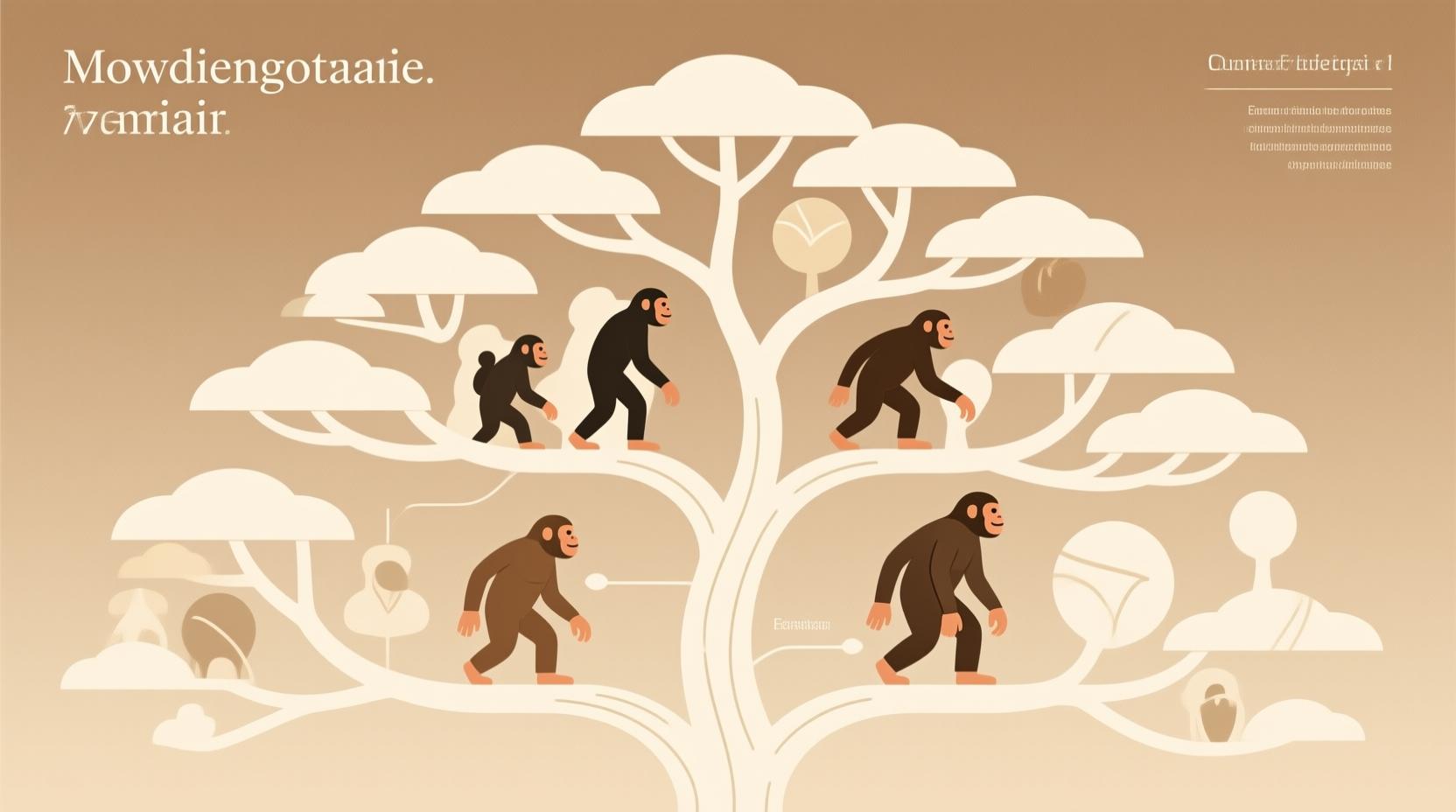
Revolutionary discoveries in the Rising Star cave are fundamentally changing our understanding of human evolution.
In the depths of the Rising Star cave near Johannesburg, scientists made an extraordinary discovery: the remains of people who lived in complete isolation from the rest of humanity about 200,000 years ago.
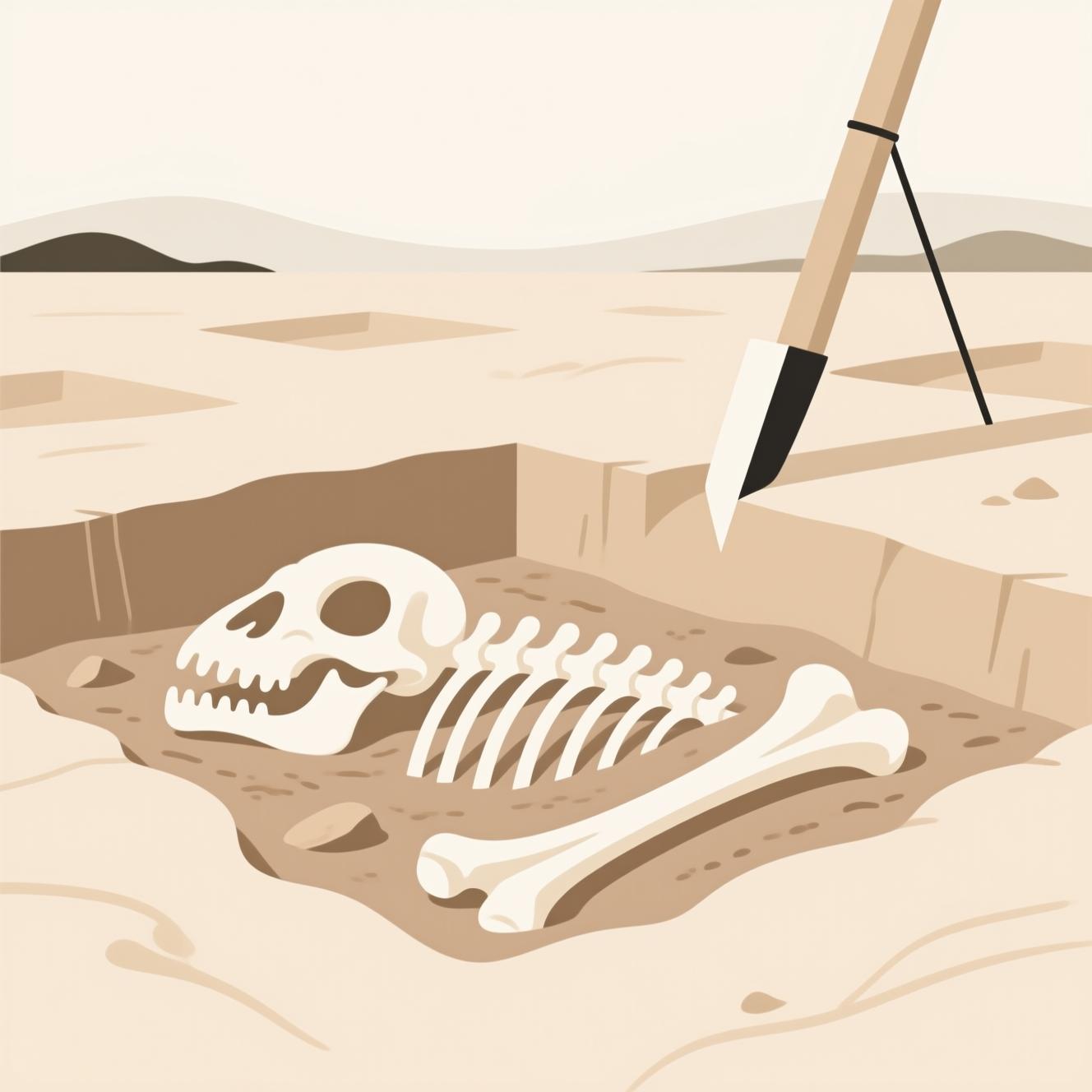
The fossils belong to at least 15 individuals of the species. Homo naledi – a species with fascinating characteristics, situated between early humans and modern humans homo sapiens stand.
With over 1,500 recovered bones, this is the most extensive collection of early hominin fossils ever found on the African continent.
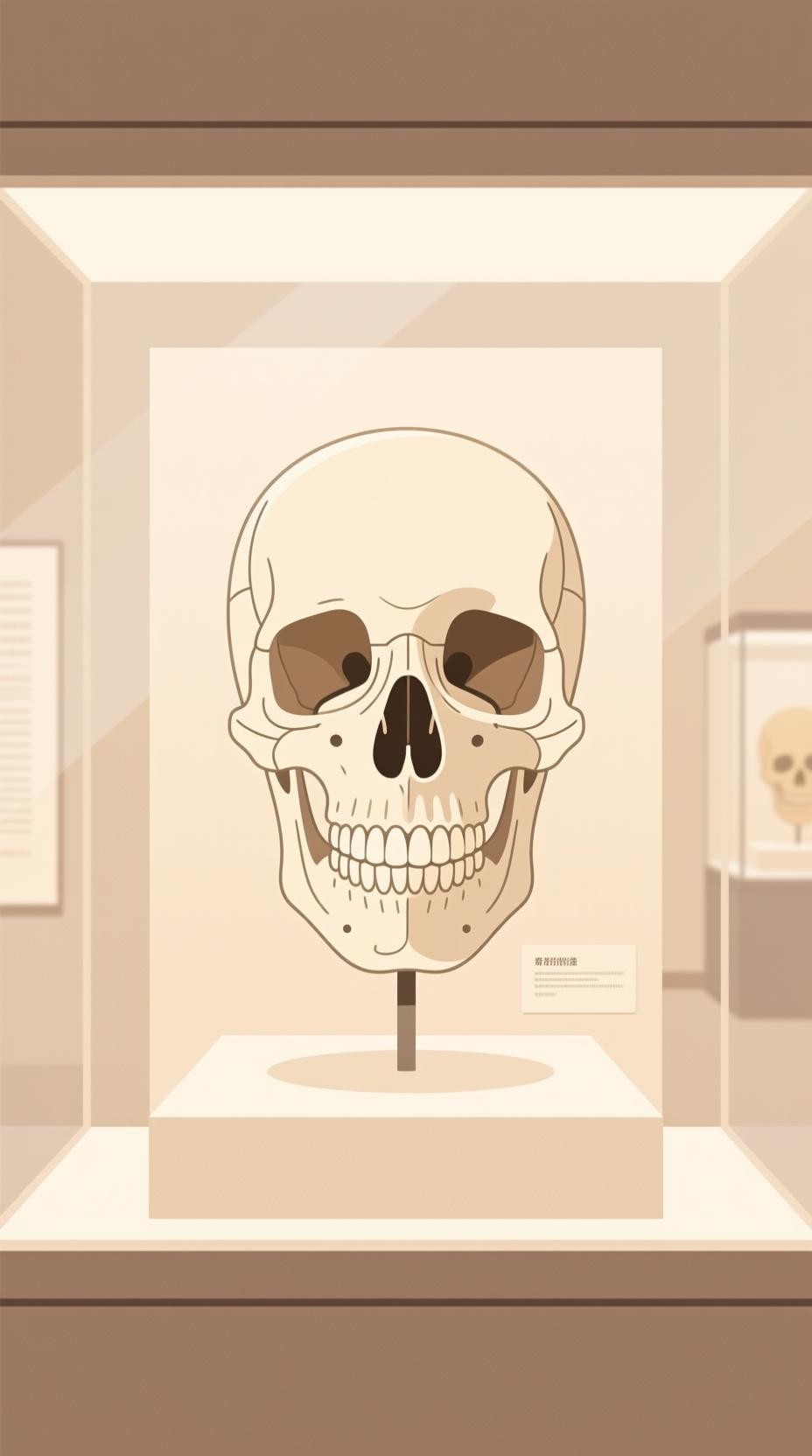
Brain volume only about 610 cm³ – significantly smaller than in modern humans.
Height approximately 1.50 m with a unique mixture of primitive and modern anatomical features.
Strong evidence suggests the dead were deliberately buried in the cave – a practice previously associated exclusively with the... homo sapiens was attributed
Dating revealed an age of approximately 236,000 to 335,000 years – at the same time, early humans were already living homo sapiens in Africa
The discovery clearly proves that several human species lived in Africa at the same time and may even have genetically mixed – a revolutionary idea for evolutionary research.
The new findings clearly refute linear evolution models. Instead, evolution appears as a complex "bush of stems" with phases of isolation and gene flow between different populations.
A fundamentally changed picture: homo sapiens It did not originate in isolation in a single region, but developed in a dynamic network of populations with diverse contacts and interactions.