Physical Address
17033 Neubrandenburg
Germany
Physical Address
17033 Neubrandenburg
Germany



In the third century AD, Emperor Claudius II ruled the Roman Empire with an iron fist. His military strategy was based on a controversial belief: unmarried soldiers were more combat-ready and loyal to the empire than married men, who were distracted by family ties. For this reason, the emperor issued a radical decree – marriage was categorically forbidden for young men.
In this atmosphere of oppression, a courageous Christian priest named Valentine emerged. Despite the imperial ban and fully aware of the impending consequences, he began secretly marrying couples in love. His clandestine ceremonies took place in secret, often by candlelight in hidden rooms. For Valentine, the sanctity of love and marriage stood above the secular laws of an emperor. His actions were an act of resistance against state tyranny—and made him a symbol of what we now call "forbidden love.".
Historical research faces a fascinating challenge: there were indeed several Christian martyrs named Valentine, whose stories have become intertwined over the centuries. The most famous is Valentine of Terni, a bishop who was martyred around 270 AD. At the same time, there is a Valentine of Rome, also venerated as a martyr, whose life story shares similar characteristics. The historical sources from this period are fragmentary and often overlaid with legendary embellishments.
What remains undisputed, however, is the existence of these figures and their significance for early Christianity. Legends tell of a man who not only secretly performed marriages but also healed soldiers and offered them spiritual support. Some accounts even report that Valentine gave couples flowers from his garden—a possible explanation for the Valentine's Day flower tradition. In 496 AD, Pope Gelasius I officially declared February 14th the feast day of Saint Valentine and established him as the patron saint of lovers, the sick, and even prisoners.
February 17 – Roman fertility festival in honor of the god Faunus with wild rituals
Martyrdom of Valentine of Terni under Emperor Claudius II.
Pope Gelasius I established February 14th as the feast day of Saint Valentine.
Merging of love rituals with the Christian day of remembrance
First Valentine's Day cards in England
The choice of February 14th as Valentine's Day is no accident, but rather the result of a clever cultural transformation. In ancient Rome, the Lupercalia festival, a boisterous celebration in honor of Faunus, the god of fertility, was held in mid-February. As Christianity became the dominant religion, the Church strategically overlaid pagan festivals with Christian holidays. Thus, the wild Lupercalia festival gradually transformed into the calmer, more romantic Valentine's Day – a masterpiece of cultural adaptation that didn't simply ban the old customs, but transformed them and imbued them with new meaning.
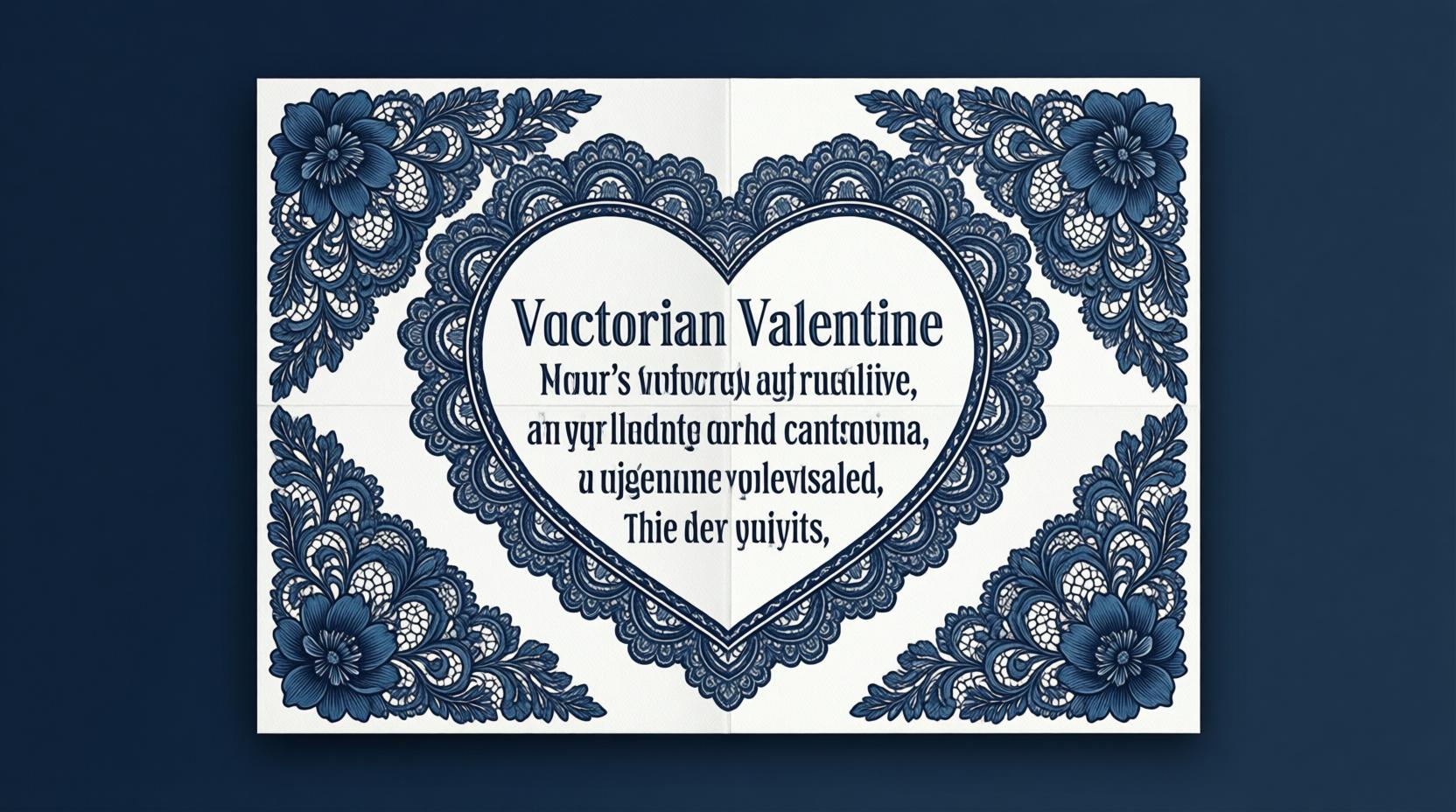
In England, the custom of sending handwritten "love letters" developed. Young people expressed their affection through elaborately designed cards.
Roses, symbols of love since antiquity, and chocolate as a "mood booster" became classic Valentine's Day gifts.

Originating from medieval manuscripts, the heart evolved from a religious symbol to a universal symbol of romantic love.
Valentine's Day evolved from a religious commemoration to a day of love over centuries. In 18th-century England, the tradition of sending Valentine's Day cards originated – Charles Crocker was one of the first to report on this custom. The Victorian era then saw the rise of the elaborate cards adorned with lace and verses that are now considered collector's items. In the USA, the tradition truly took off in the 19th century with the advent of industrially printed greeting cards. The symbolic meaning of roses, chocolate, and red hearts developed in parallel: roses were cultivated and revered as symbols of love in antiquity, chocolate was marketed as an emotional gift by European chocolatiers in the 19th century, and the heart symbol migrated from religious manuscripts into the secular language of love.
On February 14th, women give men chocolate. A month later, on White Day, the men return the favor.
April 14th is for singles – they wear black and eat black noodles to celebrate their loneliness.
This spring festival symbolizes the awakening of love and is sometimes interpreted as the Indian "Valentine's Day".
The first commercial breakthrough came in 1913 when Hallmark in the USA began mass-producing Valentine's Day cards. In the 1950s, florists, jewelers, and chocolate manufacturers joined in. Today, Valentine's Day is an economic phenomenon.
Annual retail sales in the USA alone
Valentine's Day cards sent per year
Many see Valentine's Day as a commercial trap that fosters unrealistic romantic expectations and excludes singles. Feminist movements also criticize patriarchal role models.
Instead of purchased gifts: handwritten letters, joint projects that overcome social taboos, local and fair trade products.
Remember the original meaning – Valentine's courageous act of resistance against injustice and his commitment to the freedom of love.
Modern Valentine's Day exists in the tension between commercial interests and authentic expressions of love. While critics rightly point to consumerism and the exclusion of single people, the day also offers an opportunity to reflect on its rebellious origins. The true story of Valentine's Day—of a priest who broke the law to make love possible—invites us to celebrate the day beyond mass consumption. Whether through creative, personal gestures, sustainable gifts, or simply by sharing the fascinating historical background, Valentine's Day can be more than red roses and boxes of chocolates. It can be a reminder that love sometimes requires courage—then as now.
➡️Fascinating scientific findings on how simple daily habits can significantly extend life expectancy.