Physical Address
17033 Neubrandenburg
Germany
Physical Address
17033 Neubrandenburg
Germany

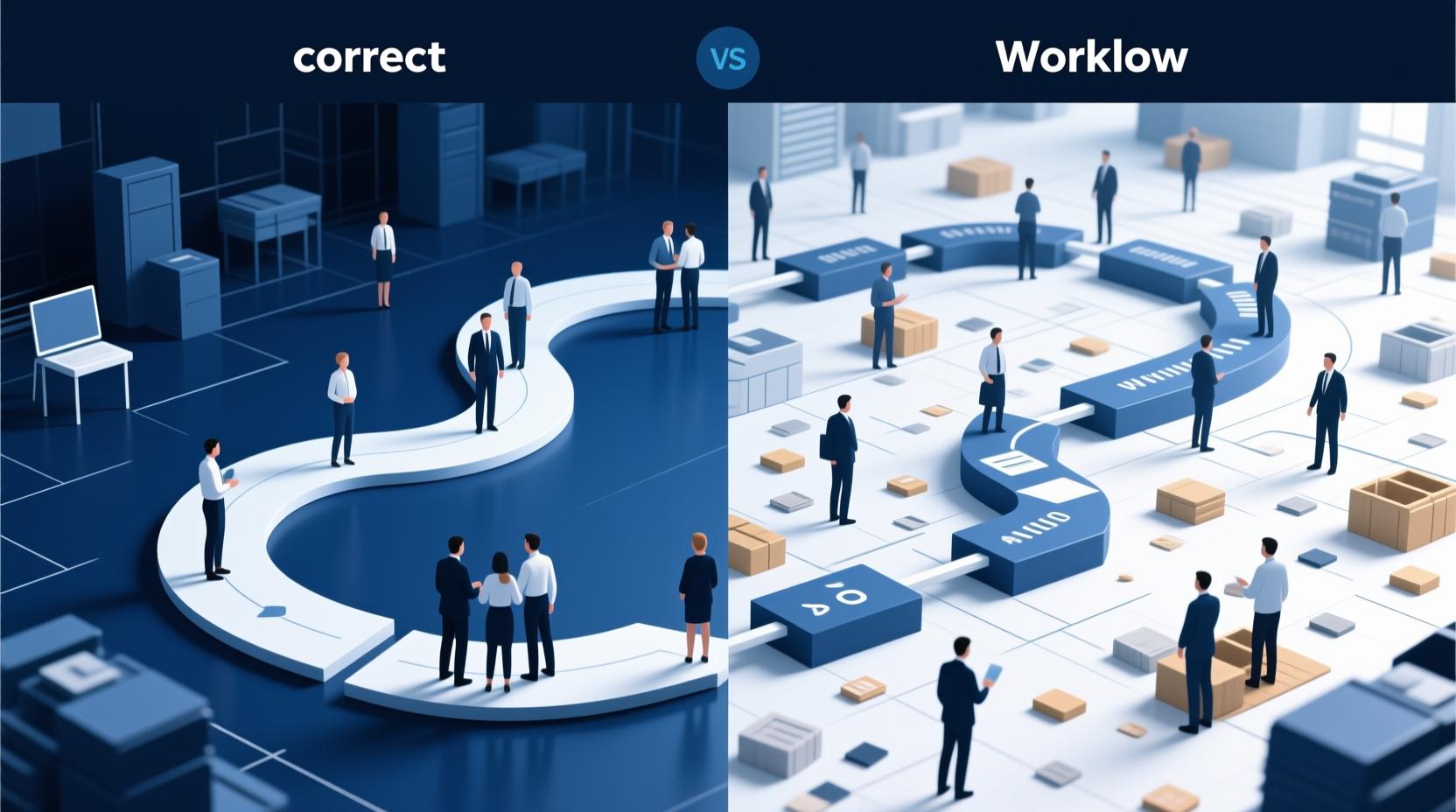
After we selected the right employees, Our next task is to give them working rules: how and what they should do. Essentially, this should begin even before the first euro is invested. By establishing working rules, we create technology – that which transforms a simple group of people into a business.

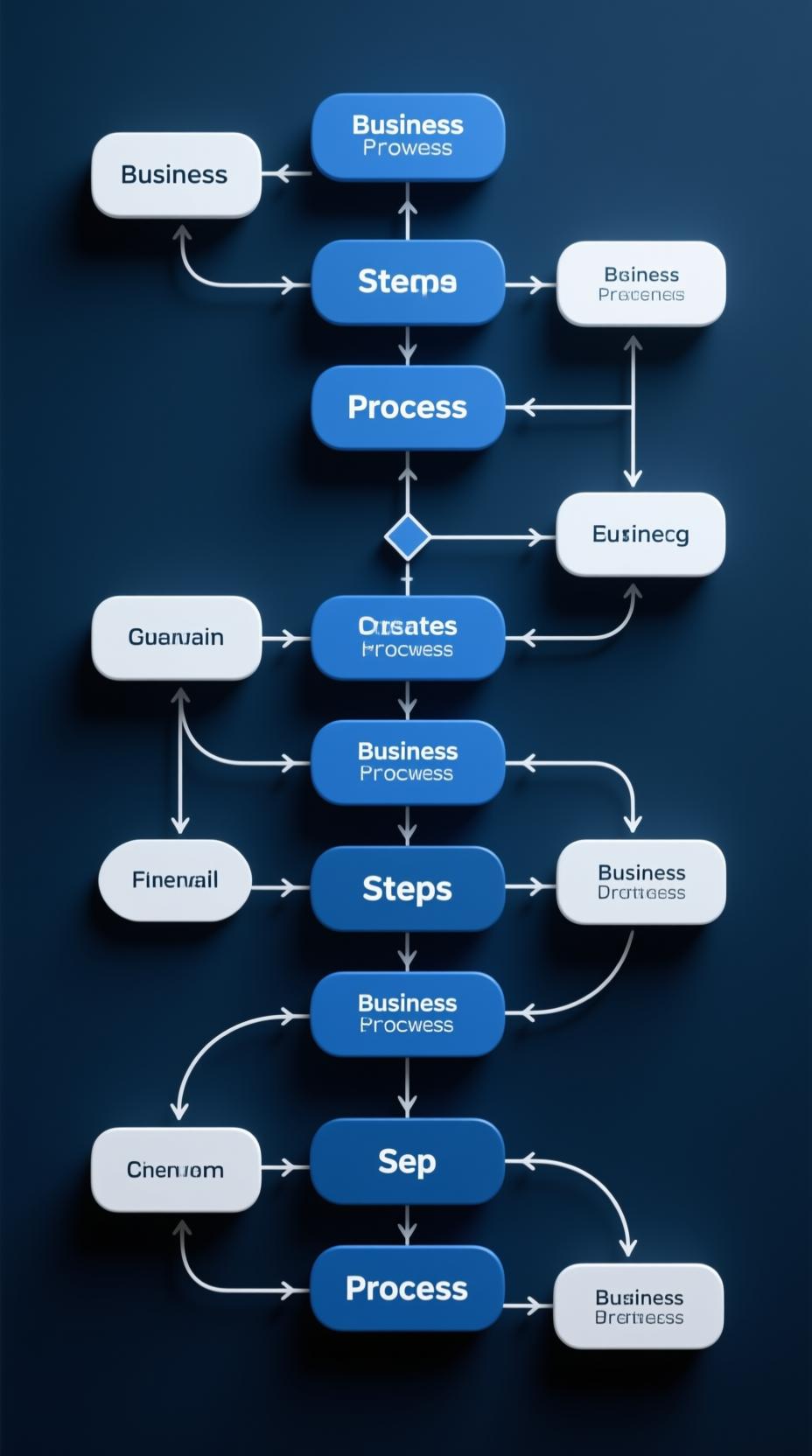
Technology is a clear, formalized sequence of actions in all phases of goal achievement. Step one, step two, step three – with criteria for execution and the transition to the next step.
Qualifications should belong to the organization, not the people. They should be owned in the form of technology – as property of the company, not the employees. We give employees job descriptions.
We practically don't need highly qualified specialists. People with average qualifications are perfectly sufficient, because the business outcome depends not on their qualifications, but on the technology we build.
The company's work processes are the manager's homework. If he completes them, the company will operate stably for the next two to three years, and the manager's own work will become routine, simple, and understandable.
Determine the systematically reproducible result of the employee's work. Formulate everything using the words "completed" or "available".
Find out what needs to be done one time step before the result. Work your way from the end to the beginning.
Divide the work process according to functional responsibilities and positions. Avoid vertical division – use the Tetris principle.
Describe in detail the transitions between the results. What needs to be done to achieve each result?
Create job descriptions, selection rules, and compensation conditions based on the work process.
An employee is familiar with instructions from multiple organizational levels and executes a process from beginning to end. This leads to:
No process is carried out by a single employee from beginning to end. Each employee has their own small area of responsibility according to their habits and abilities.
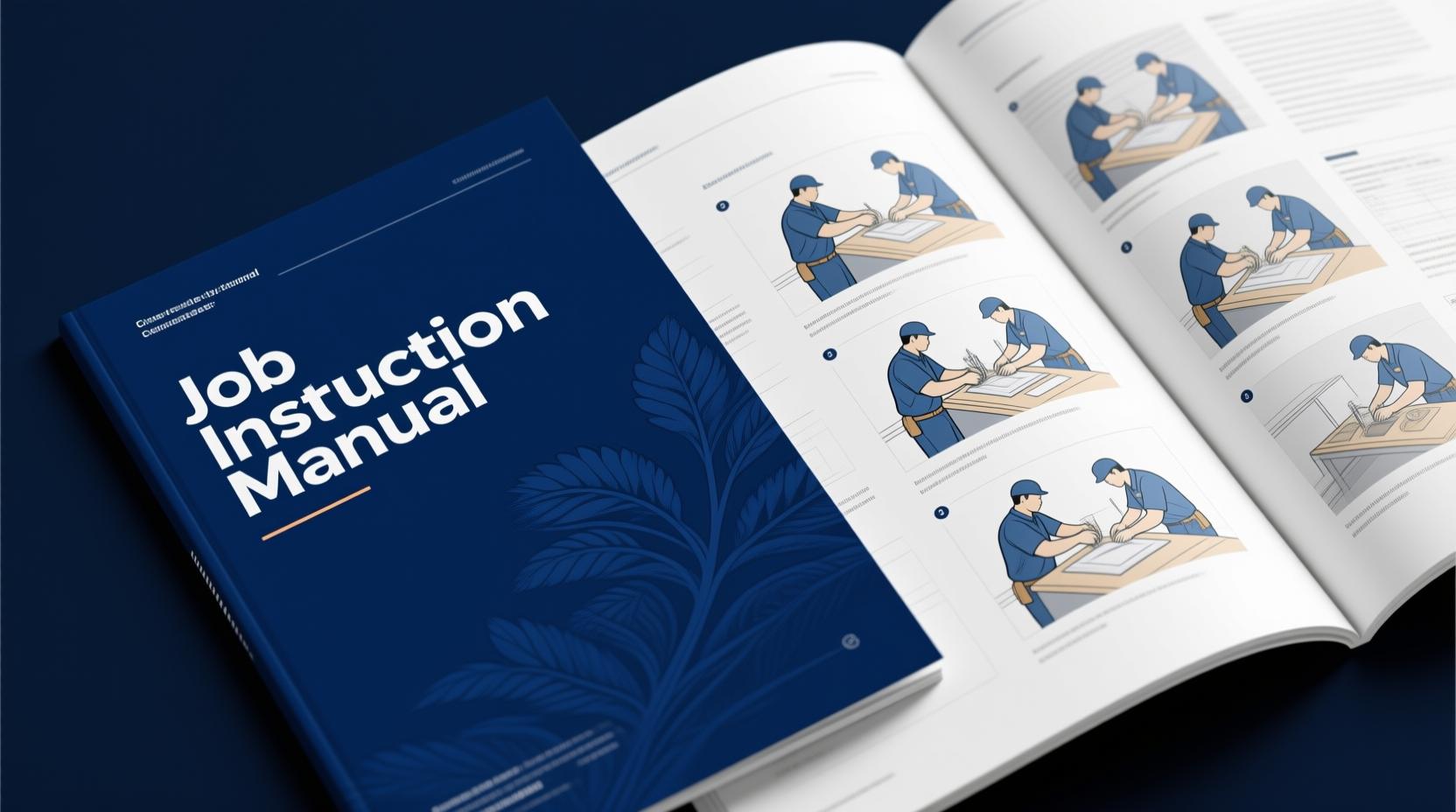
A properly written job description follows a clear structure for each step:
Clear designation of the employee responsible for this step.
Detailed description of the execution. Can be omitted if obvious.
The employee who receives the work – not the supervisor of the person carrying it out.
A concrete control method. Both sides understand: mutual cover-up is useless.
Important: Job descriptions should not exceed 15-20 pages. Longer instructions place too high a demand on one person and should be divided between two employees.

Dismiss all employees (except security and cleaning staff). Hire new employees who will work according to the new instructions from the start. Fast, reliable, effective – but rarely used.
Gradual implementation with existing personnel. Requires destabilizing the group, audits, consistent enforcement, and administrative measures. Takes 1.5 to 3 months.
In the slow method, the collective goes through three phases of resistance:

Rewards: Bonuses are awarded exclusively for fulfilling job descriptions.
Punishments: Penalties for failure to fulfill prescribed obligations.
Basic principle: Every employee must understand exactly what they are being paid for and how much they will earn per month.
Important: Material rewards only for obligations stipulated in writing. Administrative rewards for unwritten rules. Both systems must be applied consistently.
Written rules are job descriptions. Compliance is achieved through material incentives. Unwritten rules are more complex – they cannot be enforced by posting notices on the wall.
People follow rules they have discovered themselves. If we create conditions where non-compliance threatens stability, people will adapt voluntarily. They find the rules themselves and follow them – even to their own disadvantage.
Unwritten rules are not directly explained! Every direct explanation negates the work. Through systematic training without explanations, people understand how to act within 1.5 weeks. They think they've found a way to control you.
Recommended unwritten rules (maximum 5):

Before making any decisions, define the main objective for the next period. Only one main objective! All current instructions will be given in accordance with this objective.
Each department receives a current main objective within the framework of the overall overarching goal. All decisions within the departments must contribute to achieving this objective.
No decision that contradicts the main objective may be made without an official amendment to the main objective. This creates predictability and stability for employees.
Basic principle: No immediate decisions should be made at a lower level without first making a decision at a higher level. Otherwise, five decisions at a lower level may not be compatible.
Main goal, myth
Current goals, ideology
Unwritten rules, processes
Job descriptions, instructions
A well-organized company functions like a machine: Each employee performs their simple task without understanding what others are doing. But together, they achieve the desired result in a coordinated manner. The expertise belongs to the organization, not the individuals. This enables: