Physical Address
17033 Neubrandenburg
Germany
Physical Address
17033 Neubrandenburg
Germany

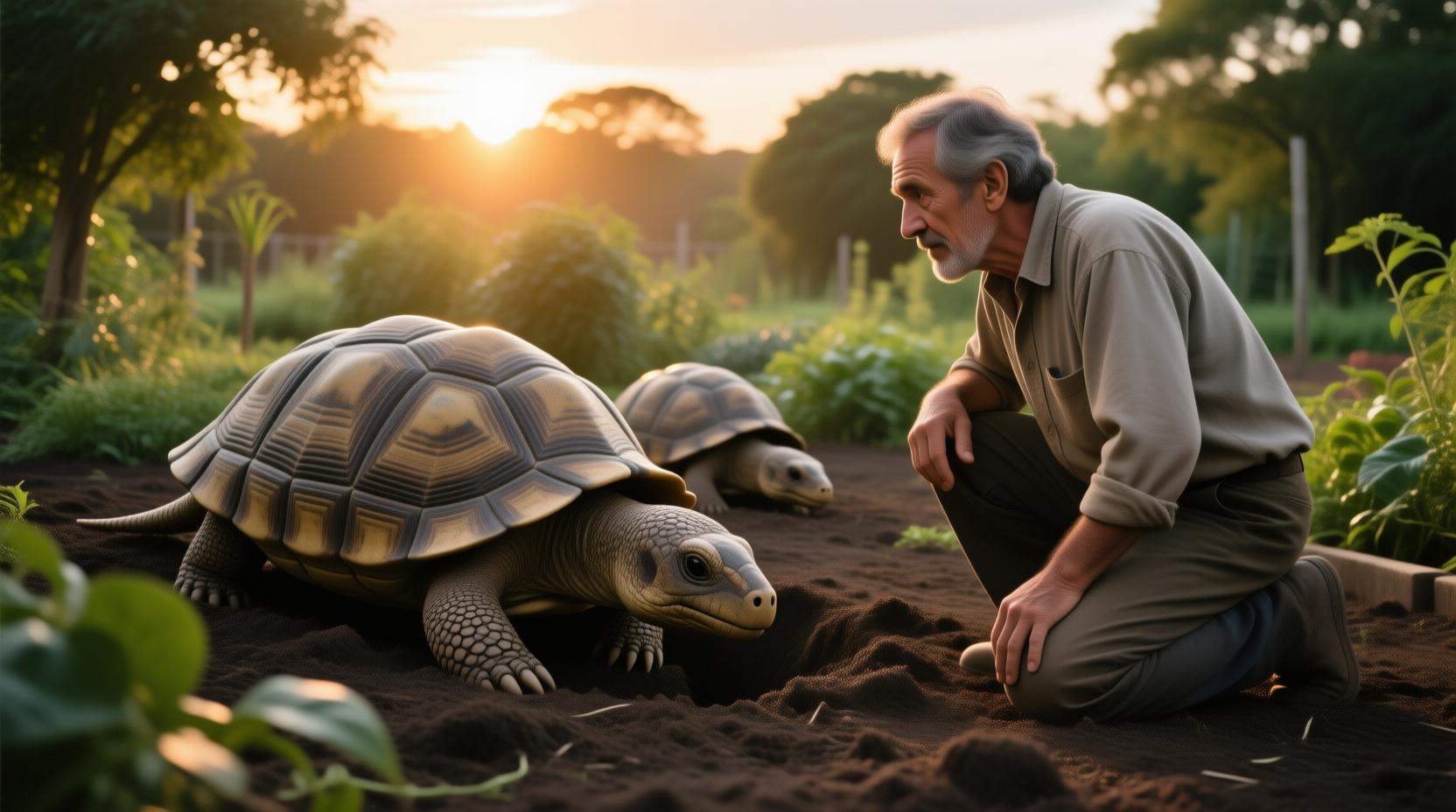
Las Flores, Argentina An Argentinian farmer made a discovery that could shed new light on our understanding of South America's prehistoric wildlife. While digging an irrigation ditch on his property near Las Flores, Buenos Aires province, Juan Pérez unearthed the well-preserved fossil remains of an entire family of glyptodons – gigantic, prehistoric relatives of today's armadillos, estimated to be an incredible 20,000 years old.
What initially appeared to be an unusually shaped rock or a giant tortoise shell quickly turned out to be something far more spectacular. "I was digging a trench for an irrigation system when my spade hit something hard," Pérez told local media. "It was too big to be an ordinary rock, and the texture was strange. I carefully continued digging and realized its shape."„
Pérez immediately notified the local authorities, who then dispatched a team of paleontologists from the University of Buenos Aires to the site. The experts quickly confirmed the extraordinary nature of the find. It is Glyptodon reticulatus, an extinct species that lived in South America during the Pleistocene. These animals were known for their massive, dome-shaped bony armor, which protected them from predators, and could reach the size of a small car.
What makes this find so special is not only its exceptional preservation, but also the fact that it represents a group of several individuals – possibly a mother with her young or a small herd. „Finding a single glyptodon shell is exciting enough, but discovering an entire family is absolutely extraordinary and invaluable to our research,“ explained Dr. Elena Ramirez, lead paleontologist on the team. „It could give us completely new insights into their social structures, behavior, and environmental conditions 20,000 years ago.“
The site was immediately secured by paleontologists and is now being carefully excavated. The work is complex, as the fossils are very fragile and must be carefully exposed and stabilized. The team hopes that detailed analyses of the bones and surrounding sediments will reveal more about the lifestyle of these prehistoric giants and the reasons for their extinction.
For Juan Pérez, his garden has unexpectedly transformed into a window into the distant past. His sensational find is expected to cause a stir in the scientific community not only in Argentina but worldwide, and may contribute to a better understanding of the history of life on our planet. The rescued fossils, once prepared, are expected to be displayed in a museum and made accessible to the public.