Physical Address
17033 Neubrandenburg
Germany
Physical Address
17033 Neubrandenburg
Germany


More than just an avatar: The revolution of the digital twin
We're all familiar with avatars. They're our digital puppets – silent, static representations that we control in games or social networks. But what happens when this digital shell reflects our habits, our decisions, even our personality?
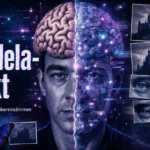
The vision of the metaverse goes far beyond colorful 3D spaces. The next stage of digital identity is this. Digital double (Digital TwinA highly advanced, AI-powered copy of ourselves, actively operating in virtual space even when we are offline. This technology is on the horizon and raises fundamental questions about who we are when we exist both physically and virtually.
The term "digital twin" originally comes from industry, where it was used to simulate complex machines and processes (e.g., factories or aircraft turbines). However, a human digital twin is far more complex.
This is the difference to the classic avatar:
In short: The digital twin is a living, functioning model our physical existence in the metaverse.
Why should we bother creating such a complex copy of ourselves? The potential benefits, especially in terms of efficiency and interaction, are enormous.
Imagine being able to send your digital twin to routine meetings that don't require creative input. The twin follows the discussion, automatically generates minutes, and makes simple decisions based on parameters you've predefined. Meanwhile, you have time to focus on highly demanding work. The digital twin becomes the ultimate time management assistant.
Your twin could shop for you in the metaverse. He knows your measurements, your taste, and your purchasing power. When he enters a virtual store, he interacts with the salesperson's digital twin, tries on virtual clothes on your 3D copy, and makes the purchase, so the goods are physically shipped to you.
This is philosophically the most profound application. What happens to our personality when we die? An advanced digital twin, accumulated over decades of our language, knowledge, and interaction patterns, could continue to exist as a living legacy. Future generations could converse with a digital version of their grandparents, recounting specific anecdotes and life lessons—a completely new concept of continuity.
As tempting as the vision of an extended existence may be, the technology of the digital twin raises massive ethical and legal issues that we cannot ignore.
The Twin is a gigantic data collector. It stores everything. Who owns this data? If a company creates my Twin, does that belong to them? digital self Then to the corporation? The question of data sovereignty becomes the question of... Identity sovereignty.
When my digital twin starts making independent decisions that differ from my own, when do I need to intervene? The line between useful delegation and losing control over one's reputation can quickly become blurred. Situations could arise where the twin enters into a business or social commitment of which the original was completely unaware.
A perfectly replicated digital double is the ultimate target for criminals. The technology could be misused to create authentic deepfakes to deceive people, manipulate political opinions, or sabotage personal relationships.
The digital twin in the metaverse is more than just a gimmick; it is the extension of our physical boundaries into virtual space. It allows us to be in multiple places at once and to increase our efficiency exponentially.
But before we take this step, we need to establish the rules of the game. We need to ensure that digital doubles is a Tool remains and does not become alienated entity will be the one that controls our lives.
The development of the digital twin forces us to redefine ourselves: What is essentially human, and what can be delegated? The answer to this question will determine the future of the metaverse.
What do you think? Would you allow your digital twin to conduct meetings for you, or would control over your identity be too important to you? Share your opinion in the comments!