Physical Address
17033 Neubrandenburg
Germany
Physical Address
17033 Neubrandenburg
Germany

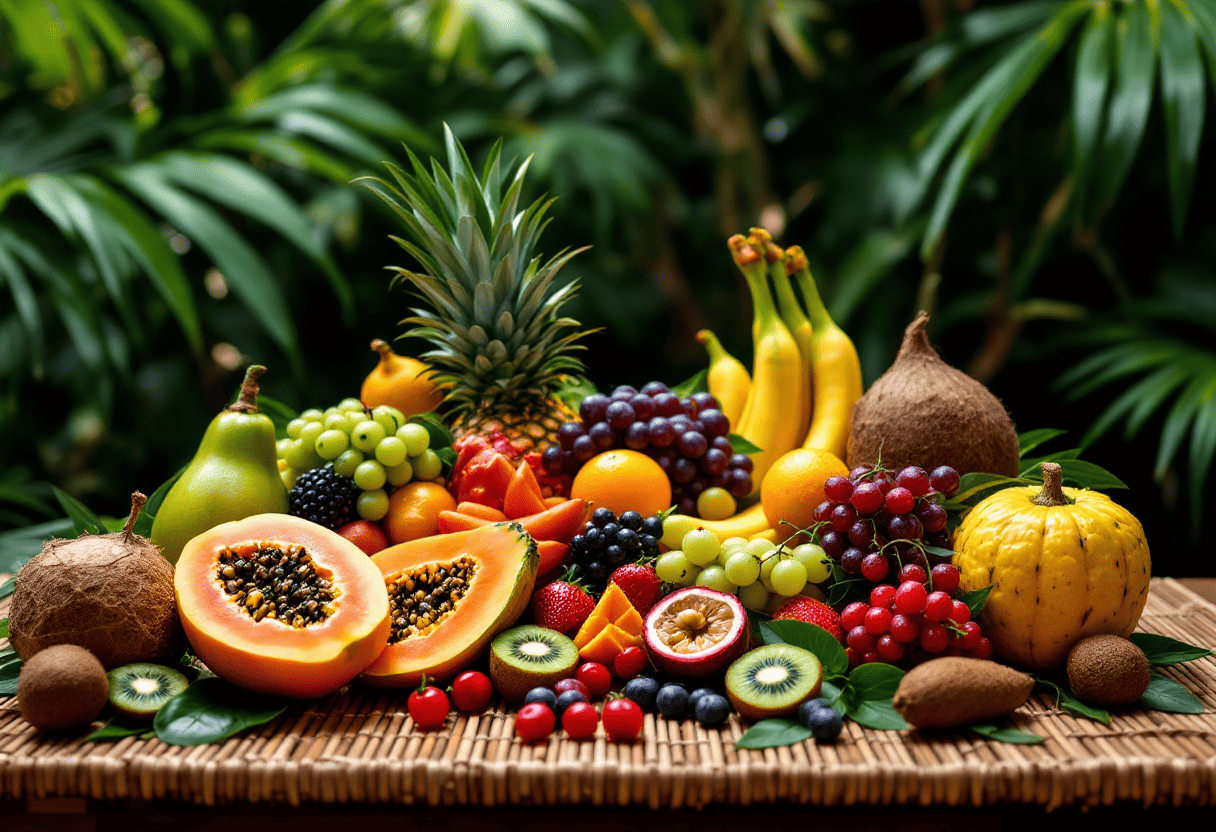
The agricultural and food sector is undergoing a profound transformation. Driven by climate change, rising populations, and a growing focus on sustainability, the fruit and vegetable sector offers enormous opportunities for investors – provided they focus on the right, technology-driven niches.
The year 2026 is seen as a turning point, in which innovative farming methods and resilient supply chains must become the norm.
Here are the top 10 most attractive investment areas in the fruit and vegetable sector that promise the highest growth potential by 2026.
Investments that will pay off in 2026 must meet two criteria: they must be technologically scalable and offer clear added value in terms of sustainability (water consumption, carbon footprint). The era of pure mass cultivation is over; the future belongs to targeted, efficient farming. AgriTech.
The potential: Vertical farms utilizing Controlled Environment Agriculture (CEA) are revolutionizing food supply in urban centers. By eliminating long transport routes, significantly reducing water consumption (up to 951 TP3T less), and enabling year-round production, these facilities offer greater predictability and massive savings in logistics costs.
The potential: Functional mushrooms like Reishi, Lion's Mane, and Cordyceps are experiencing a boom as so-called nootropics and adaptogens. The demand for natural, health-promoting ingredients in powders, capsules, and supplements is increasing exponentially.
The potential: As droughts and extreme heat increase, investments in breeding fruit and vegetable varieties that thrive with minimal water and high temperatures (e.g., special tomato varieties, drought-resistant legumes) are becoming critical. This ensures harvests in high-risk areas.
The potential: The application of artificial intelligence (AI) and robotics to optimize fieldwork. This includes drone-based analyses, autonomous harvesting machines, and sensors that control the nutrient and water requirements of each plant.
The potential: Beyond acai and quinoa, consumers are constantly searching for new, nutrient-rich "superfoods" (e.g., noni, sacha inchi, or certain tropical berries). Early investments in the controlled and sustainable cultivation of these exotic foods in new markets (e.g., Europe) offer high margins.
The potential: The market for plant-based alternatives is booming. Investments in the processing and specialized cultivation of pulses (lentils, chickpeas, yellow peas), which are processed directly into protein isolates and texturates, are particularly attractive.
The potential: Up to 401,000 tons of fruit and vegetable harvests are lost due to aesthetic defects or processing waste. Investments in technologies that convert these by-products into high-value foods (e.g., fruit peels into pectin, stems into dietary supplements or fiber) represent a clear growth area.
The potential: Consumers are increasingly demanding more information about the origin of their food – especially organic and premium products. Blockchain technology enables seamless traceability from field to shelf.
The potential: The growing number of health recommendations to reduce sugar consumption is driving demand for natural, calorie-free sweeteners. The specialized cultivation and processing of monk fruit and certain stevia varieties represent highly profitable niche markets.
The potential: These closed-loop systems, which often combine plant cultivation (hydroponics) with fish farming (aquaponics), offer maximum water efficiency. While vertical farming dominates in cities, large aquaponics systems are ideal for sustainable, local production in water-scarce regions.
The fruit and vegetable market in 2026 is no longer a traditional business. It is transformed by Data, technology and ecological necessity defined.
Investors focusing on these top 10 niches are not only betting on growth, but also on resilience and solving global challenges. The key to success lies in directing capital into projects that combine local production with cutting-edge, resource-efficient technology. The harvest of the future is green – and highly profitable.