Physical Address
17033 Neubrandenburg
Germany
Physical Address
17033 Neubrandenburg
Germany

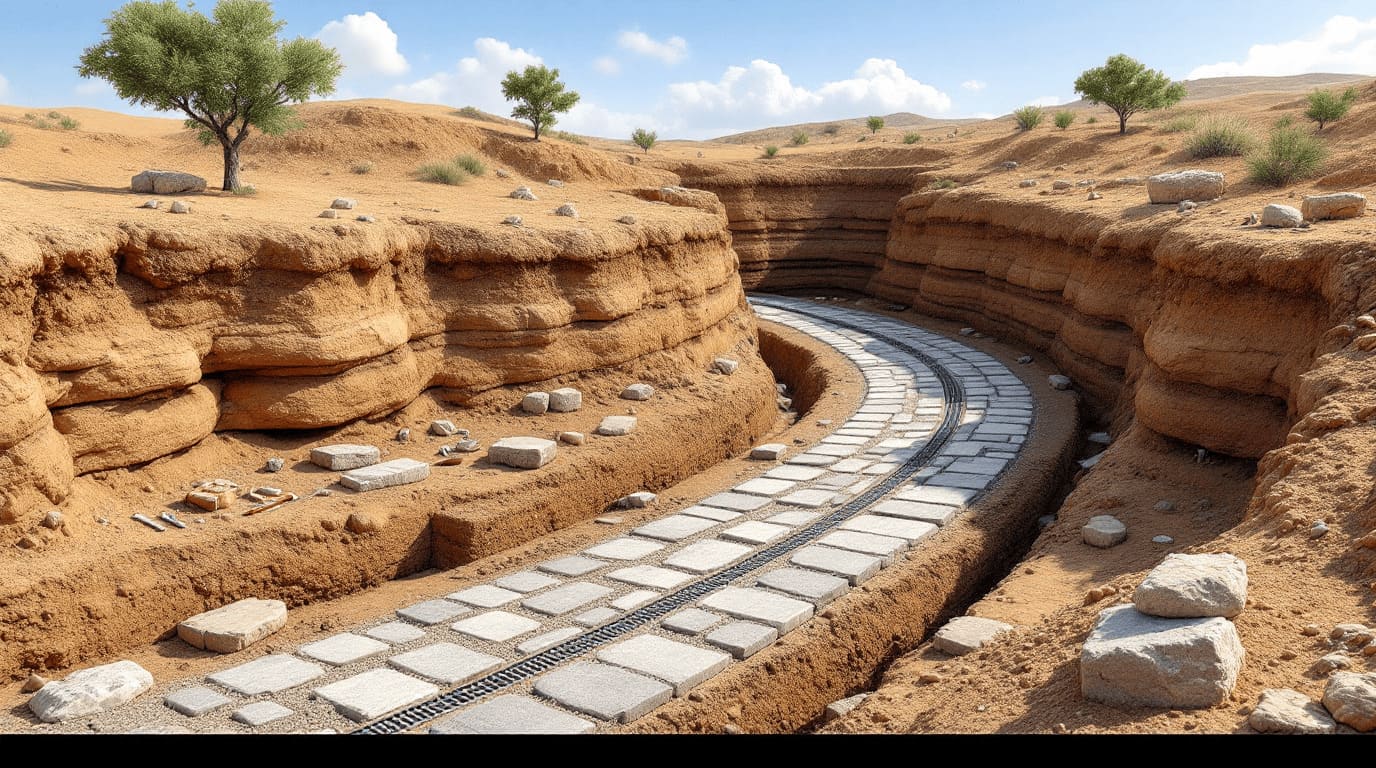
What is the "pre-flood“ Rom hides? A look at what tells the official story, perhaps completely.
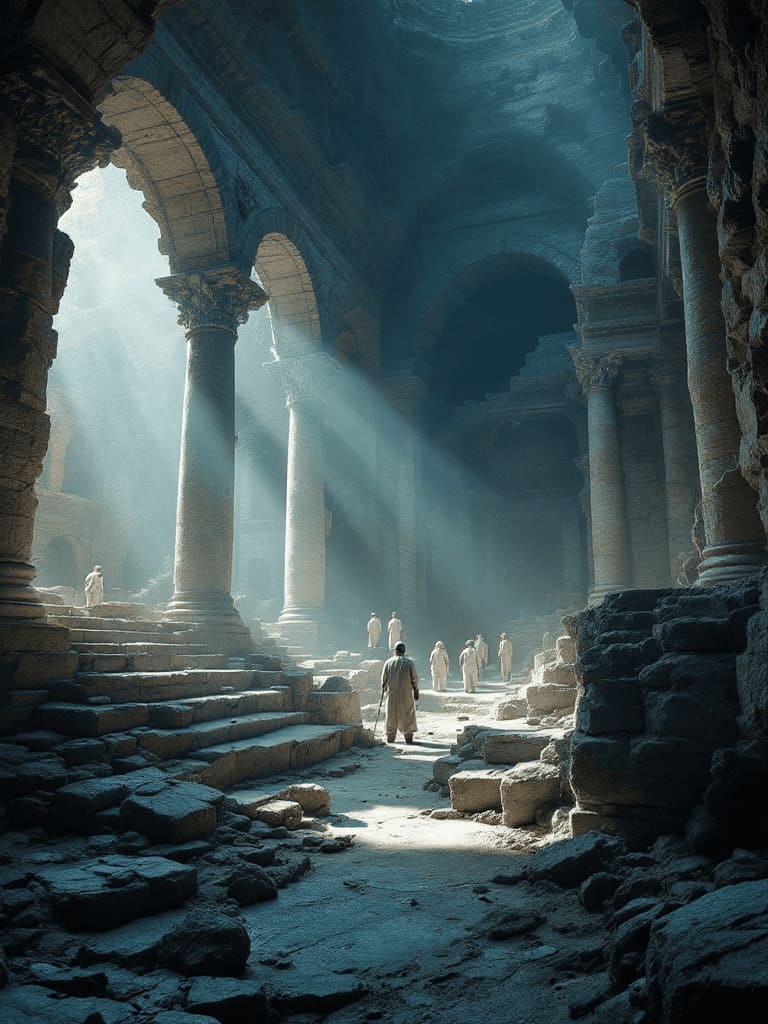

We through Rome's most secrets remarkable go — from sunken floors up-to-unexplained structures. Academic archaeology hits on alternative theories.
Why are the window of an ancient building today, deep in the ground?
For whom they were built and why they are oversized so?
Myth or forgotten reality? The strongest arguments on both sides.
What the science says and what remains unanswered?
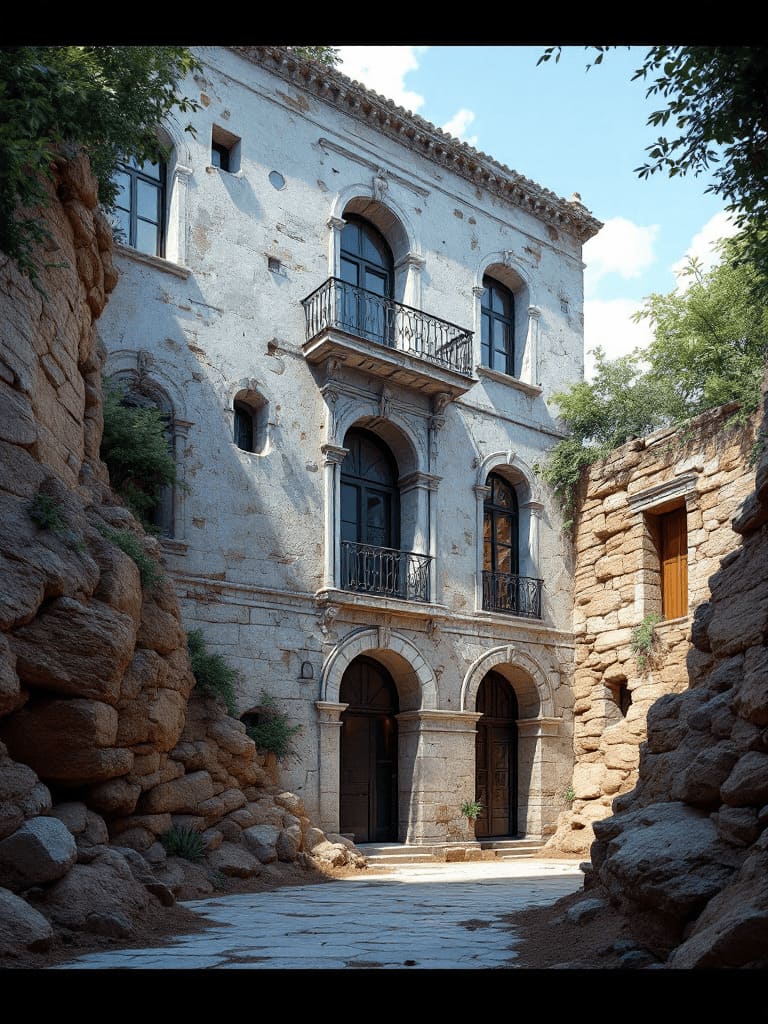
Who explored in Rome old town district, noticed something Strange: the window of ancient and medieval building today at street level or even below. Thresholds, which were once the inputs are now available, such as Basement access in the soil.
Over the centuries, debris, ash, dust, and municipal waste piled up. New buildings were constructed on the old, the street level is increased slowly but steadily to several meters.
Supporters of the "flood theory“ ask: Can be used to grow a layer of culture really so uniformly and across the Board? You suspect that there is a single massive event — a mud flood, or a sand-storm — in the whole district in a train buried.
Both explanations have their logic and their weak points. Here is the direct comparison is:
| Criterion | Official Archaeology | Catastrophe theory |
| Cause | Slow accumulation of cultural layers | Single massive natural event |
| Time frame | Over the centuries and millennia | Within a few hours or days |
| Documents | Stratigraphy, Radiocarbon Dating | Uniformity of the layers, the eyes sparkle |
| Weak point | Explains hardly the uniformity of the deposits | Lack of direct geological evidence |
| Example | Roman Forum, step – by-step Building | Piazza Navona – a former stadium is lower |
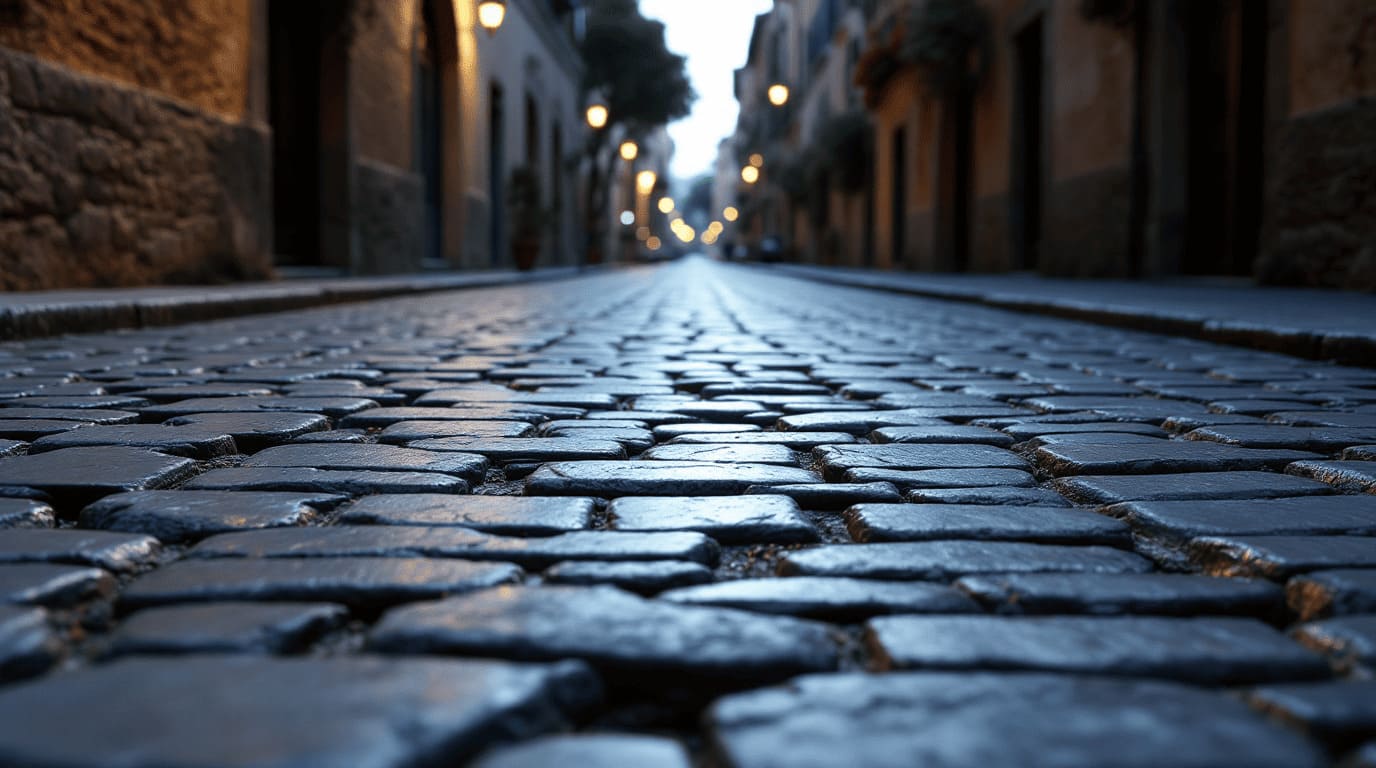
Roman roads consist of several layers: Foundation, gravel, Sand, and pavement. This structure can withstand thousands of years. For a simple horse-drawn cart that seems to be oversized.

Many of the ancient Roman roads, running dozens of kilometers in a straight line — through the hills, Moors and rivers. This precision raises questions, even the engineers today are amazed.
An alternative Thesis is that The road network was in the context of an older civilization, the later cultures by simply acquisitions and further used without knowing the origin or to question it.
The Thesis bold sounds: Under the well-known Rom of a much older Rome — a civilization that existed in front of a global catastrophic event and its infrastructure was used as the basis for all Subsequent lies.
Three specific observations nourish this idea again and again:
Many of the foundations of Roman buildings, there are blocks of tons of heavy stone, their precise processing, and Transport would also be technically demanding. Who inspired you and how?
Some of the ancient temple in Rome that are aligned to specific constellations of stars, similar to the Egyptian pyramids. It indicates that the astronomical knowledge, which go far beyond what we ascribe to the builders.
We know the name of the Emperor, who gave the building in order. But we know little about the specific techniques, tools and experts, who built the buildings that are still standing today. This silence in the sources is striking.
These questions are many, the deal for the first Time with the theme of:
Because of the Geology, stratigraphy, and radiocarbon Dating, a consistent picture of a step to show the development of the city. A single event leaves clear traces of Sediment — the lack, so far as proof of receipt.
No — this is happening in many of the old cities. Istanbul, Athens, Naples, have the same phenomenon. But Rome is particularly striking because of the uniformity and extent of the Overcoating.
Yes! Underground Rome — as the "Domus Aurea“ the Mithräen and the Basilica of San Clemente, with its three layers is partially accessible to the public and offers faszinante insights.
Geology, radiocarbon Dating and ancient writings provide a coherent picture: Rome grew over thousands of years organically. Each layer tells a different story — from the Republic to the Renaissance.
The "Burial“ of buildings is not a secret, but the natural result of human habitation. Scientists call the stratigraphy — the reading of the layers of the earth is like a book.
However, How exactly the megalithic structures were moved, why some orientations so precise are astronomical, and who were the real engineers behind Rome's most enduring buildings — the fascinating unclear.
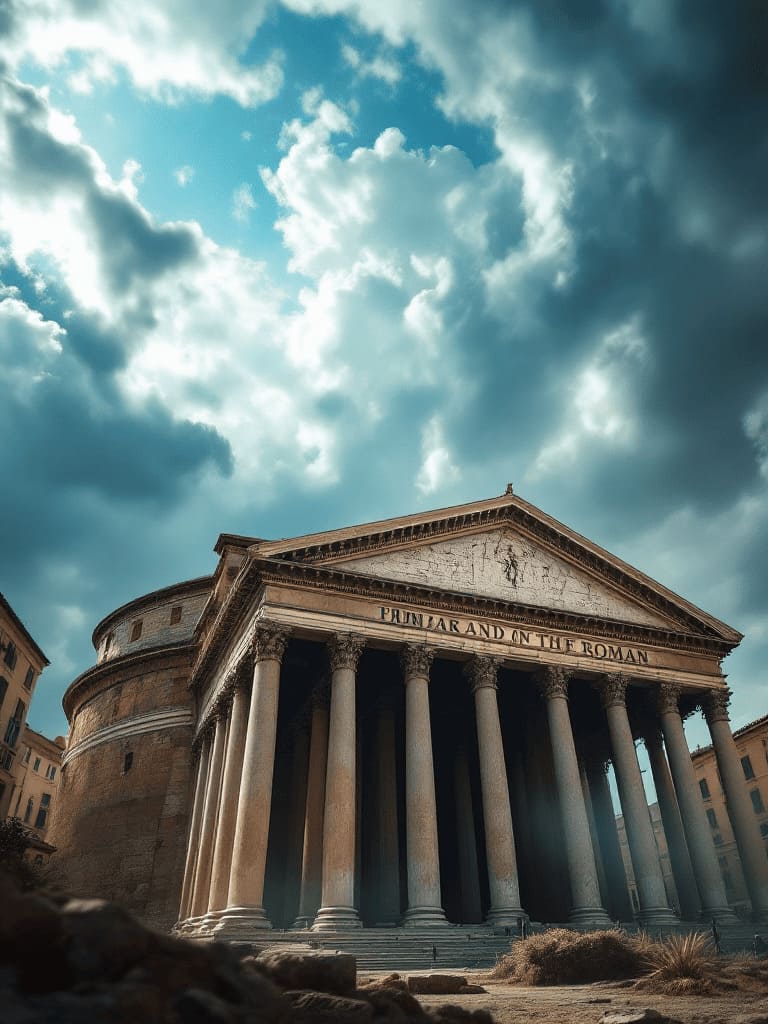
Imagine, for over 2,000 years, someone digs Berlin. He finds the Reichstag, TV tower, and in between, cable, tube, U-Bahn-Tunnel. Without documentation, he would mysteries: Who built this? Why so precise?
Maybe it's us, with Rome as well. Not a conspiracy, but lost Knowledge.
Rome is not a puzzle to solve — it is a puzzle that you should experience. Whether the "buried“ floors are the result of slower story, or a lost disaster event: they invite us to look deeper.
You have to go to Rome. You rise in the Basilica of San Clemente down three layers of the history of a Church. You be the judge.
Academic archaeology and alternative theories are not mutually exclusive. Critical Thinking means to take both of them seriously — and open questions.
What do you think? Slow growth or forgotten disaster? Write down your thoughts on the discussion at the heart of this research.
Subscribe to our channel to discover more of the riddle of history together — from sunken cities, to the forgotten civilizations.
And quietly, calmly, we learn something new about →ROM 2.0 project: The new Plebs and the great European experiment