Physical Address
17033 Neubrandenburg
Germany
Physical Address
17033 Neubrandenburg
Germany

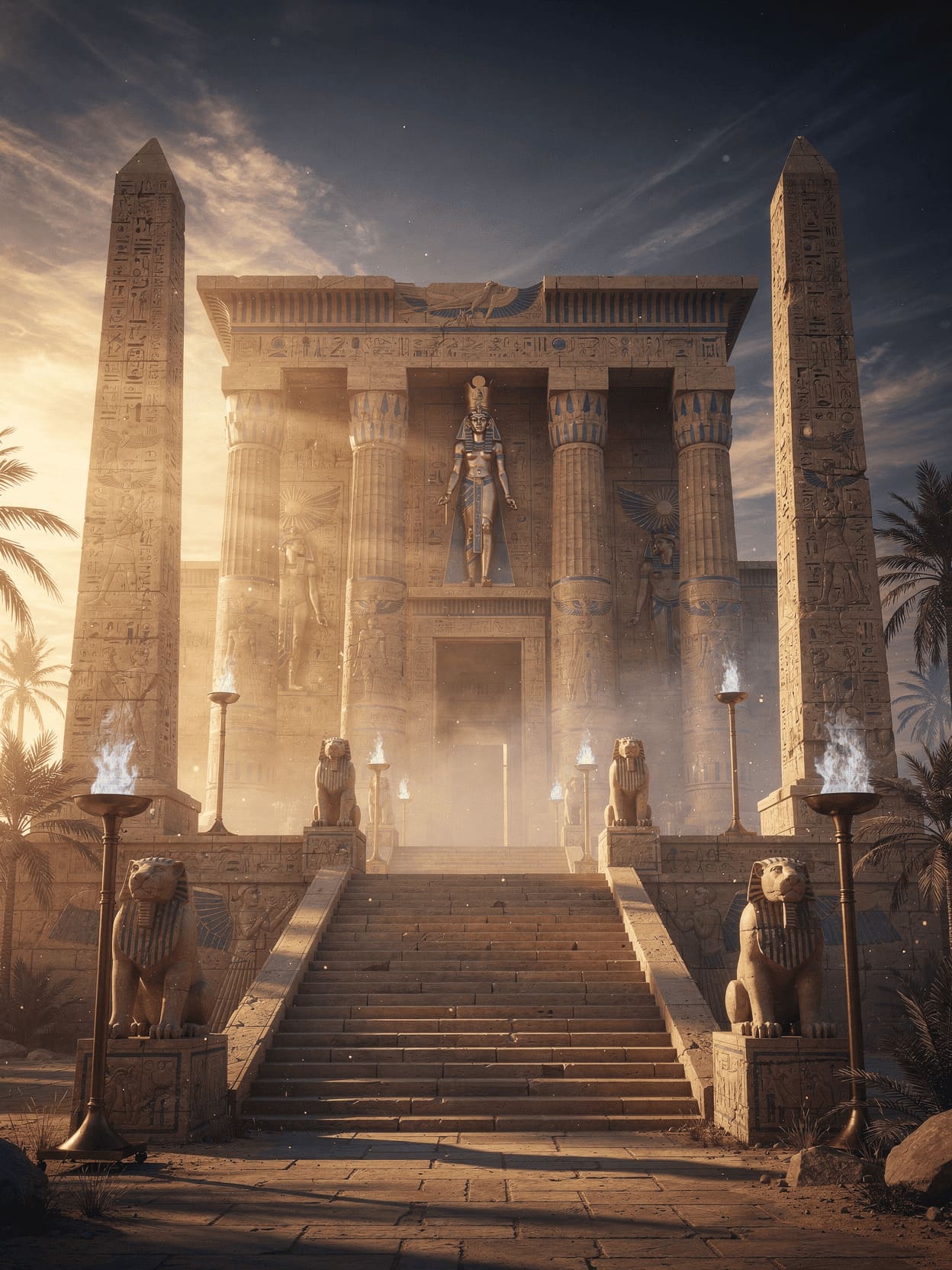
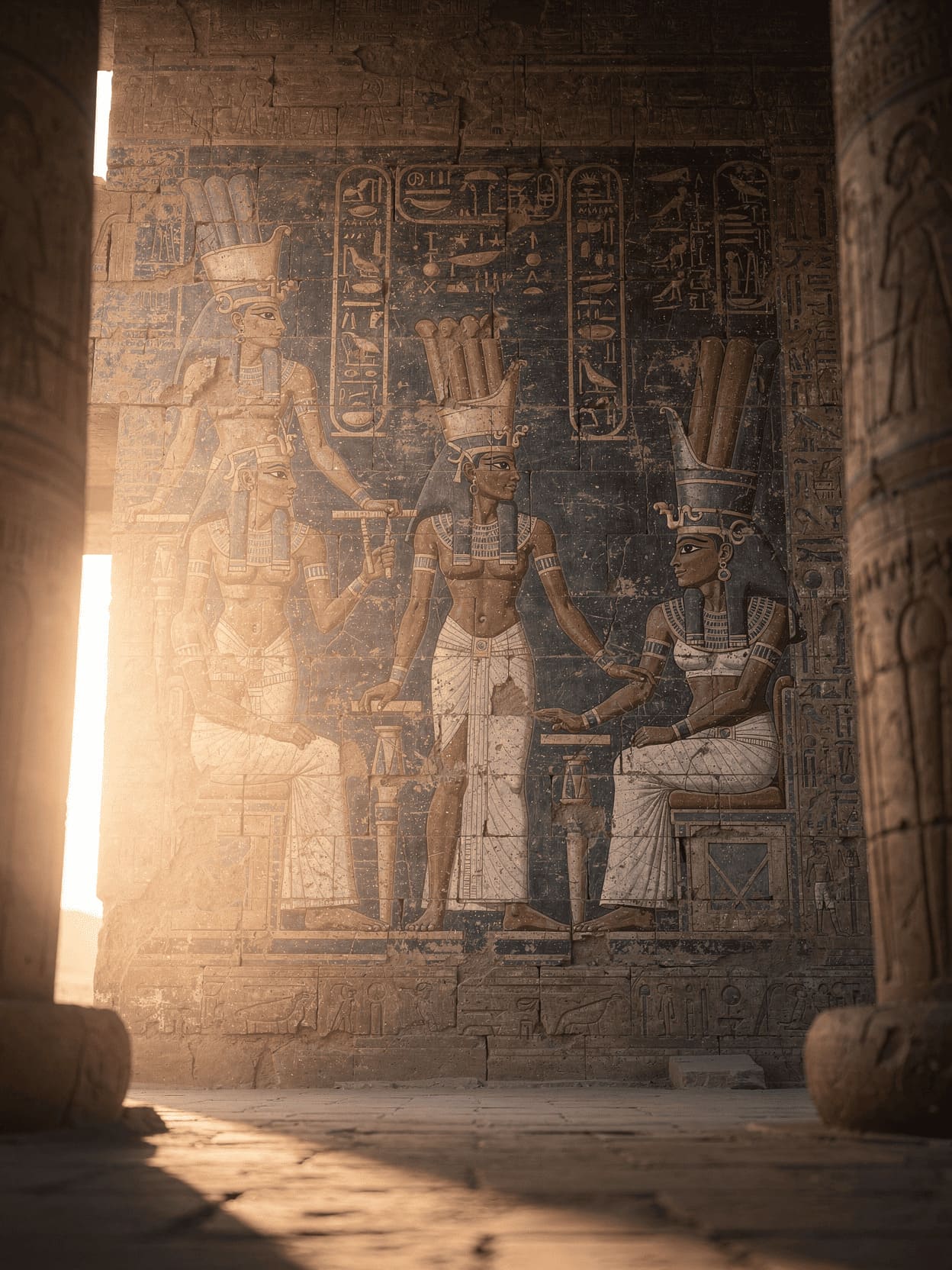
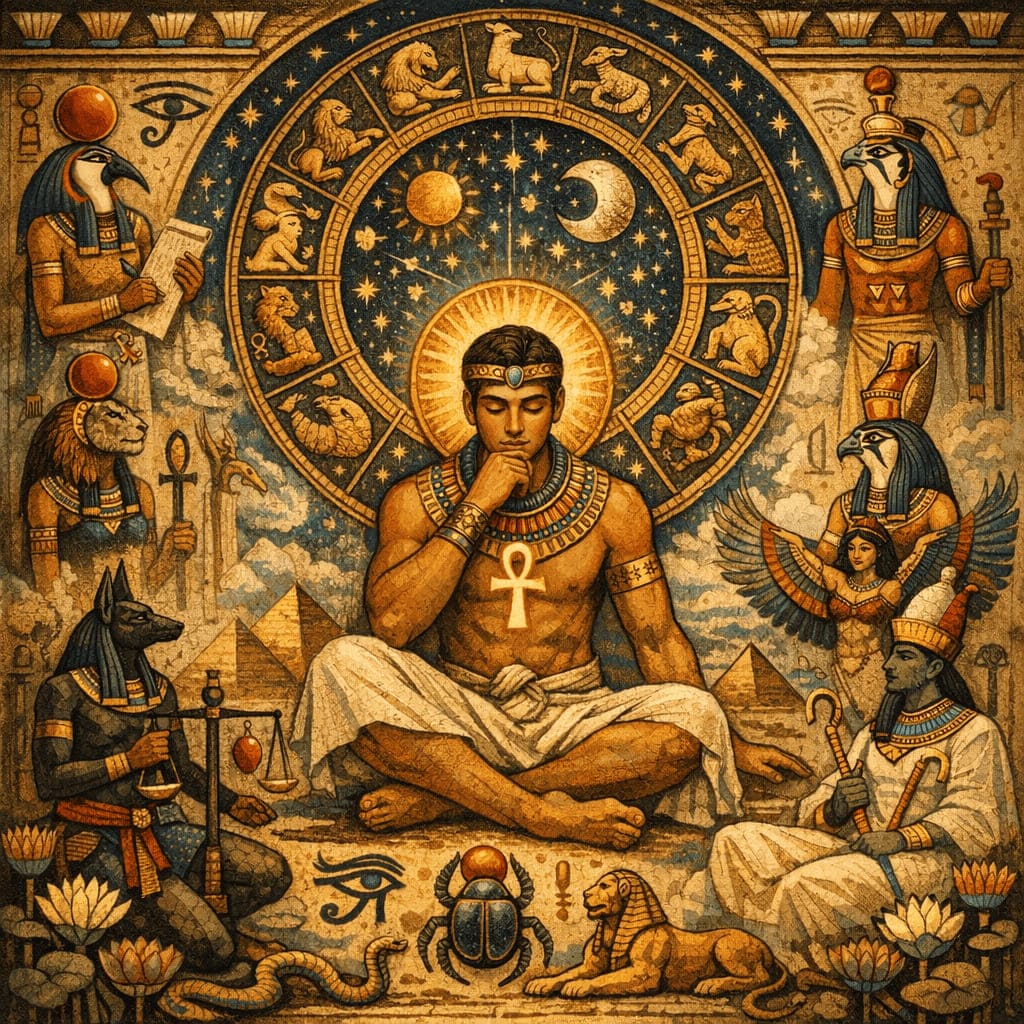
A fascinating journey through the divine world of the most powerful women of ancient Egypt – from sky goddesses to warrior protectors.
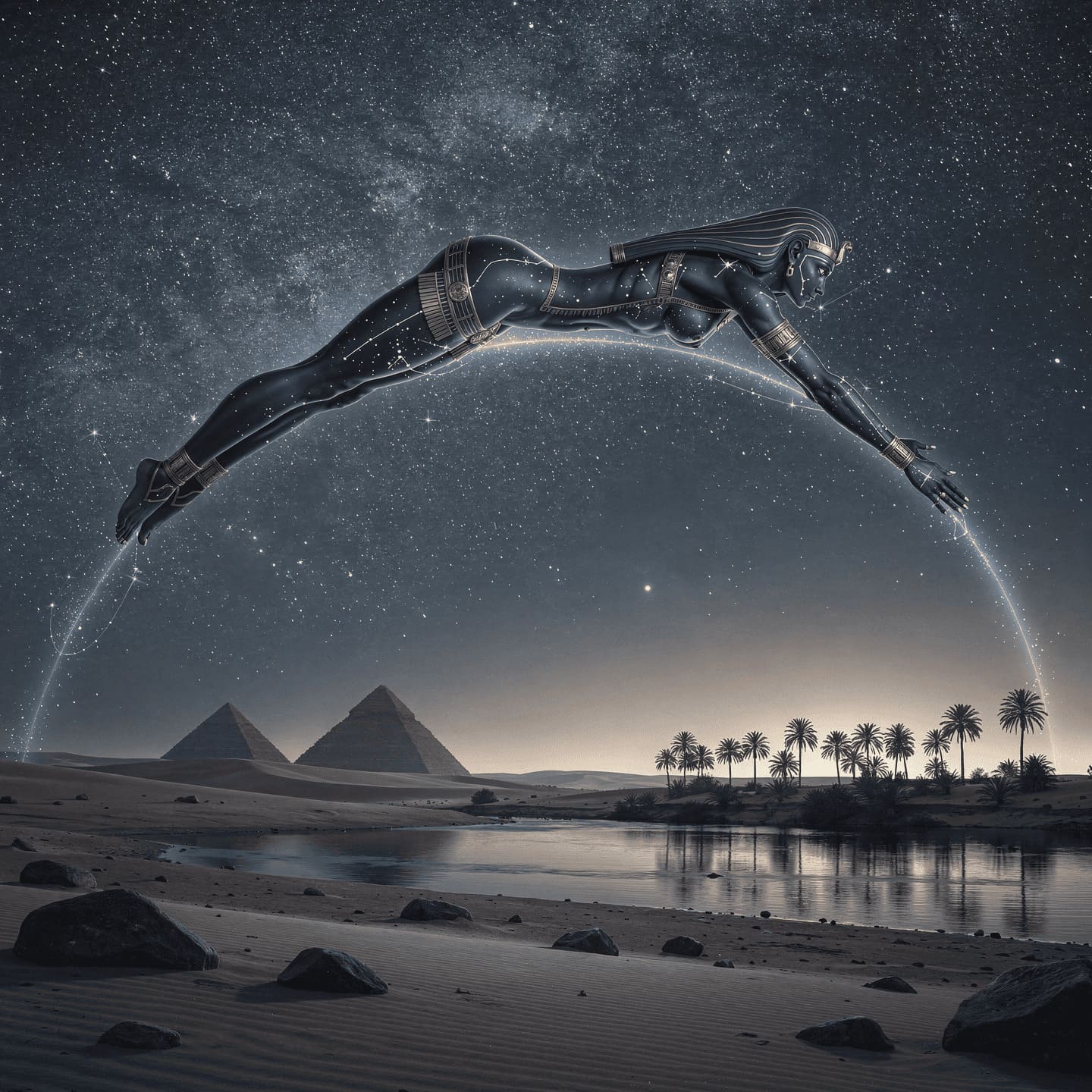
Sky Goddess
Nut is one of the most fascinating goddesses of ancient Egypt. Her enormous form supports the entire sky with her outstretched limbs and spans the earth like a protective vault.
She embodies the entire celestial sphere and is considered the divine mother of the sun Ra, which gives birth to her every morning and devours her every evening. Nut symbolizes the universe itself and the eternal connection between earth and sky.
It was often painted on the ceilings of burial chambers to guide the deceased into the night sky.
Magic & Protection
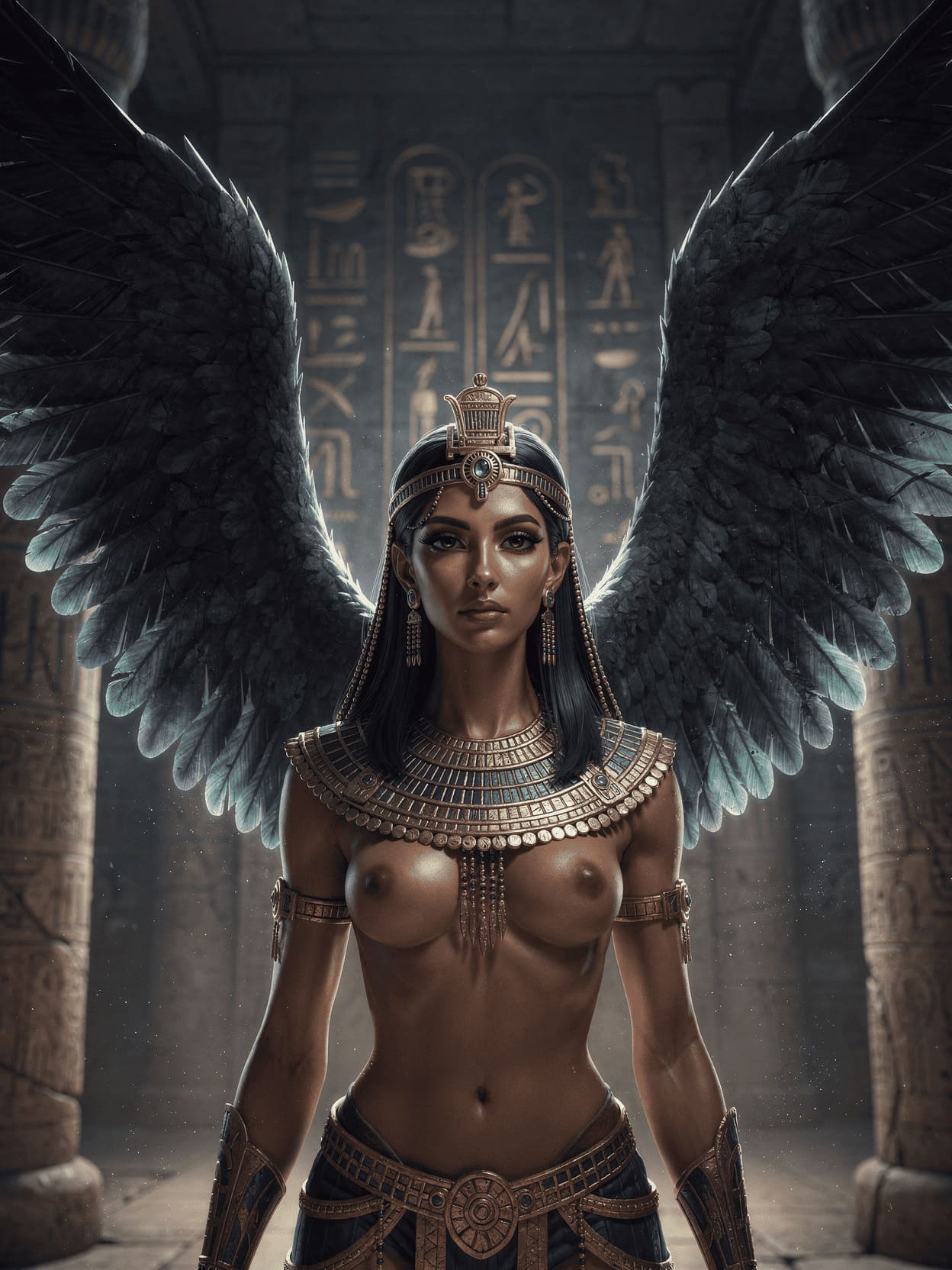
Isis possessed unparalleled magical powers. She resurrected her murdered husband Osiris from the dead, thus creating one of the most important myths of Egypt.
As the divine mother of Horus, she protected the pharaohs, who were considered his earthly incarnations. Her protection was absolute.
Her image was painted on coffins and grave walls to protect the deceased from evil spirits and demons of the underworld.
Warrior
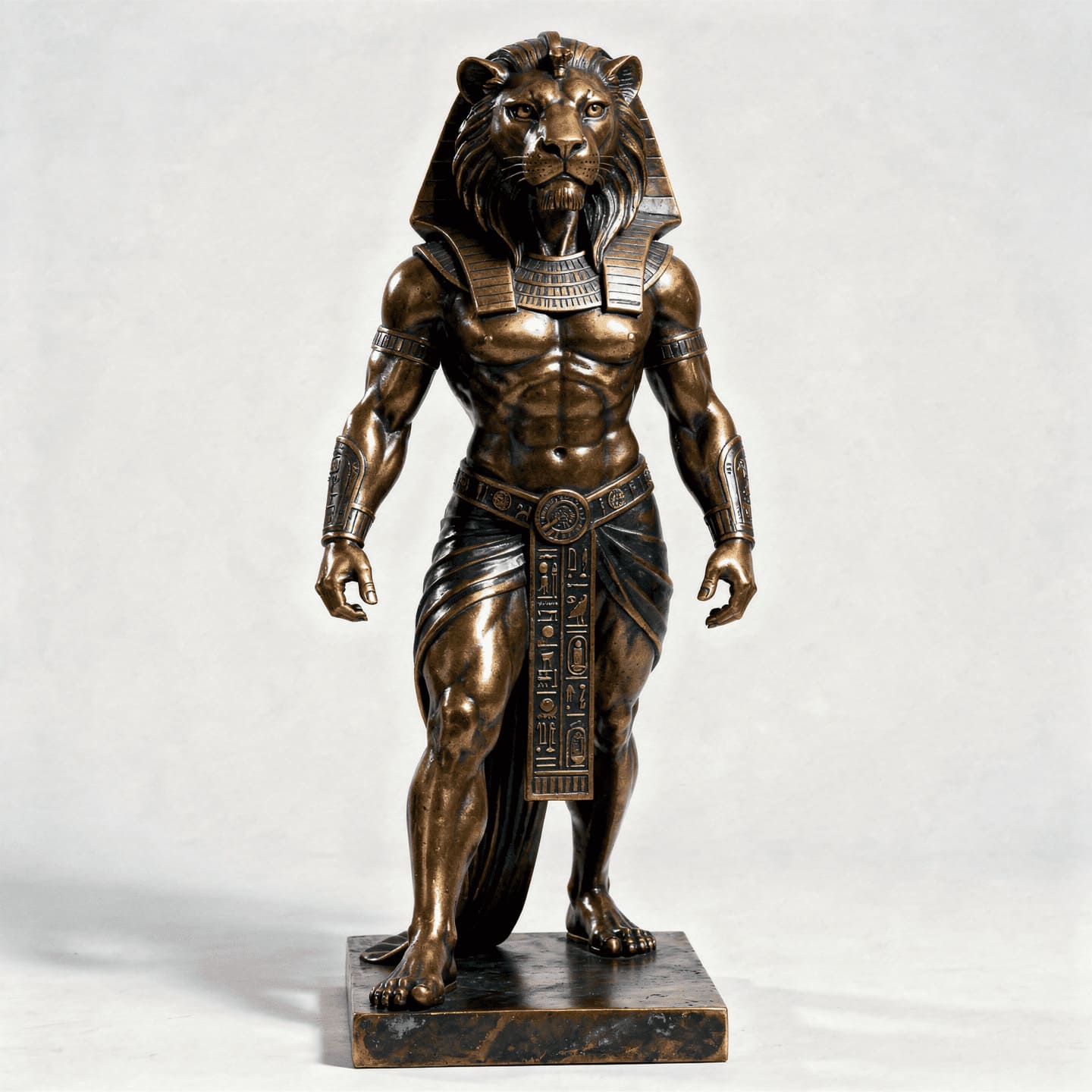
Sekhmet embodies the astonishing paradox of the Egyptian pantheon: she is both a destructive war goddess and a healing protector against diseases.
With her lion's head and fiery breath, she symbolizes the untamed power of the sun and war. Her fury could annihilate entire armies.
Paradoxically, she was invoked in religious rituals to stop epidemics and heal diseases. Her priests were often also physicians.
Joy & Love
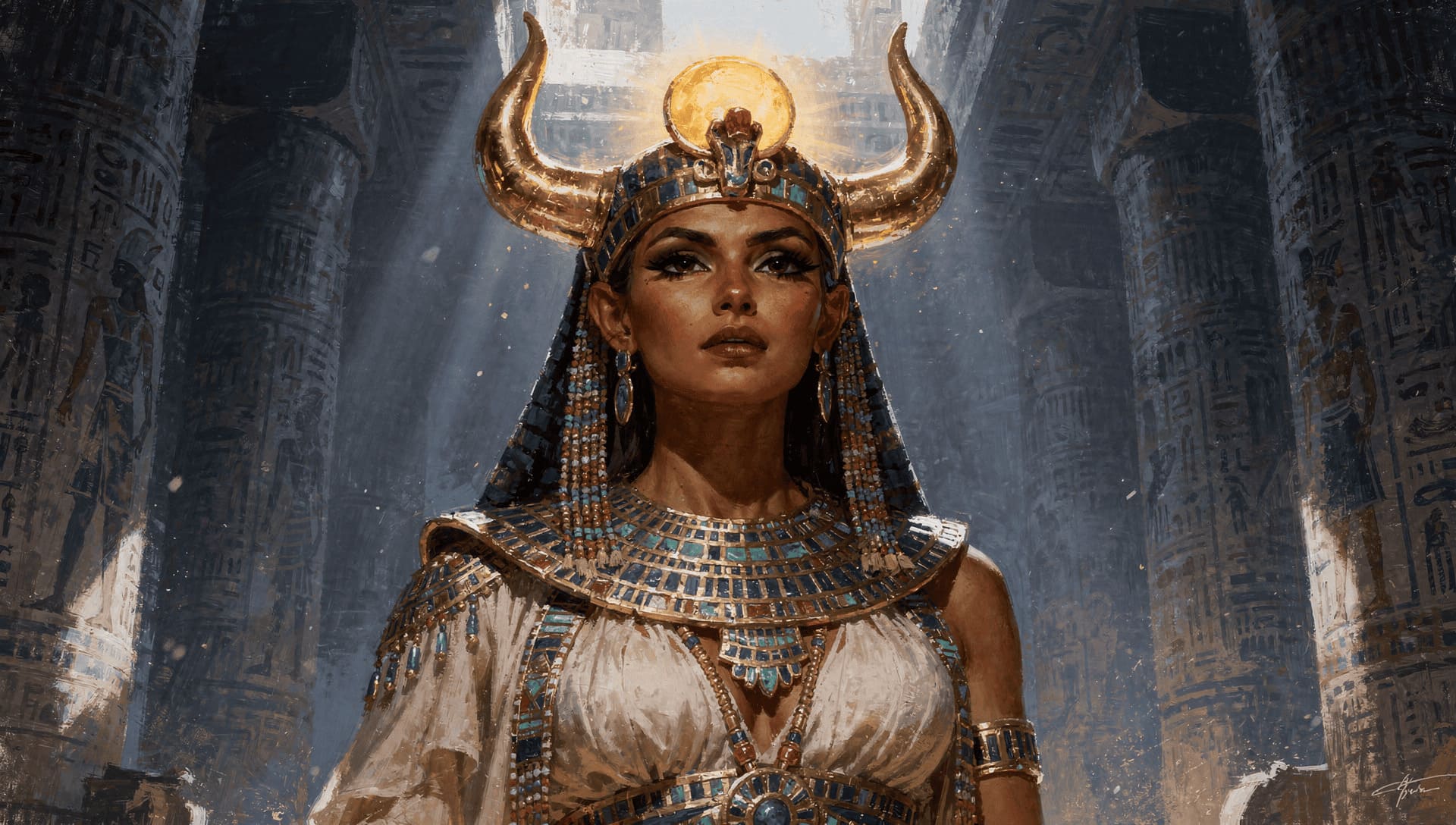
Hathor embodies the essence of femininity, fertility, and motherhood in ancient Egypt.
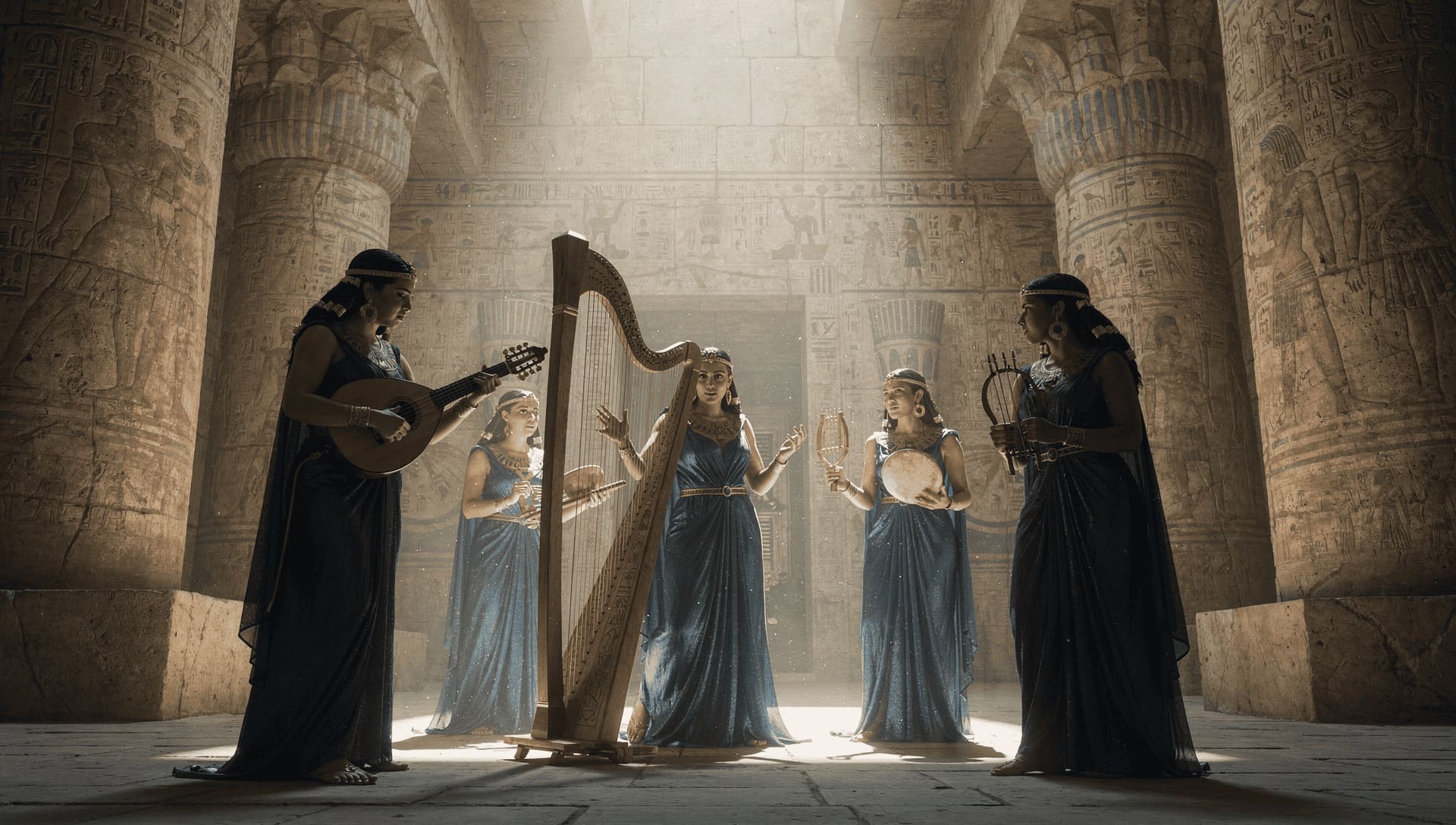
As the divine protector of women and female musicians, she was especially revered by dancers and singers.
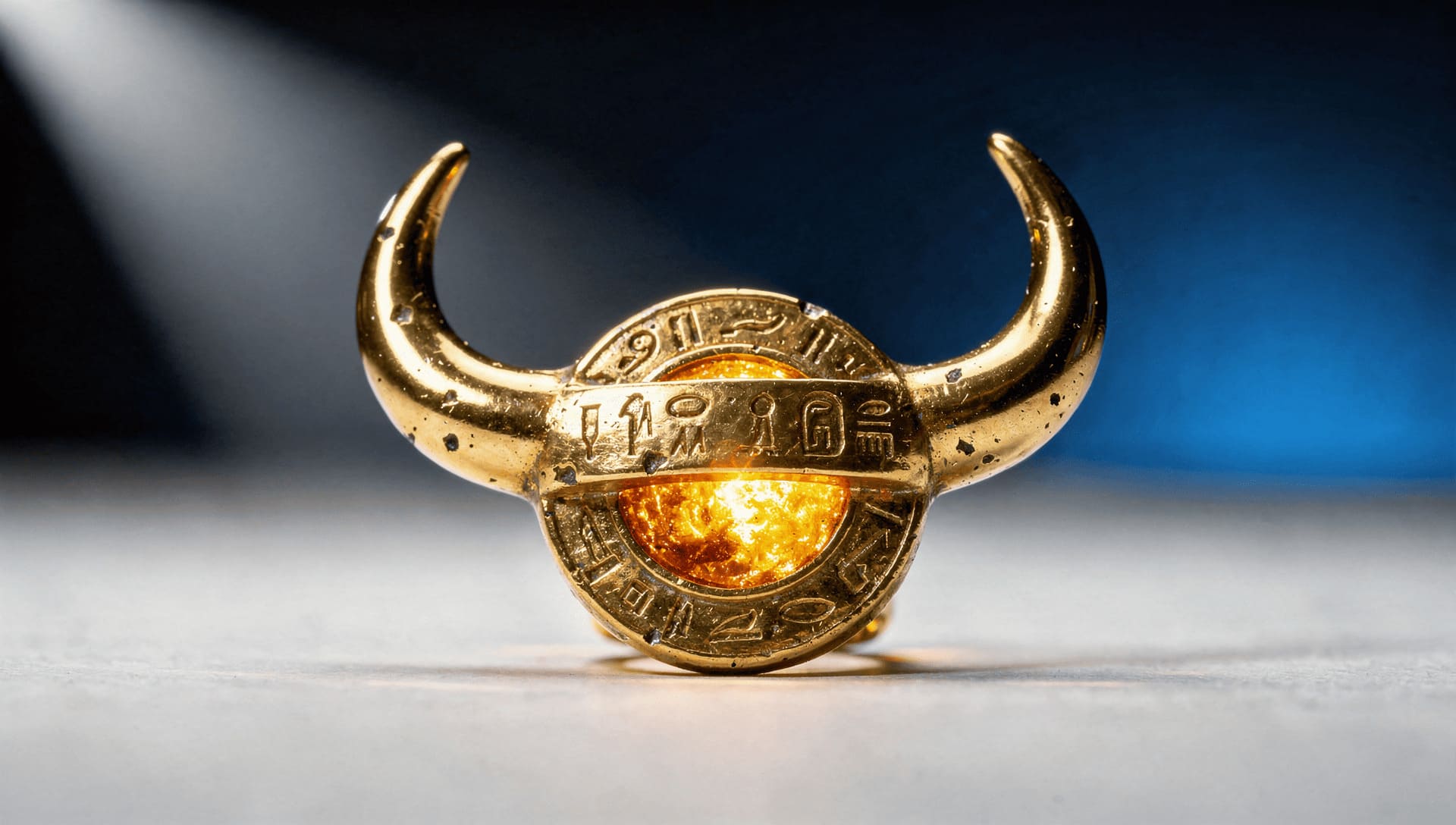
Her iconic depiction often shows her with elegant cow horns, between which the luminous sun disk rests.
Ancient Power
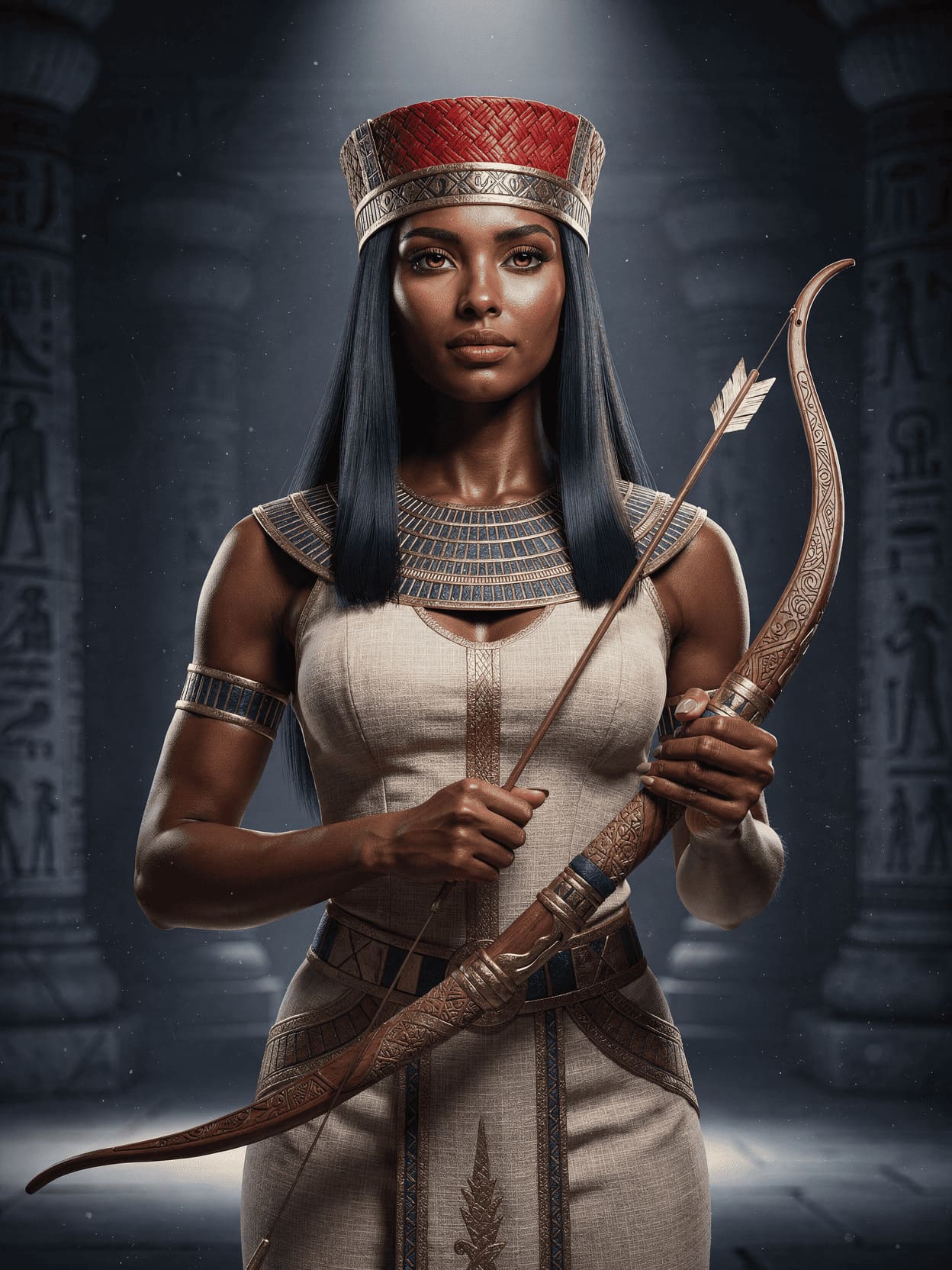
One of the oldest goddesses of Egypt, often armed with a bow and arrow. Patron goddess of kings and warriors.
She became the patron saint of weaving and was considered the inventor of this sacred art. Weaving was closely linked to creation.
She was increasingly worshipped as a goddess of death and as a powerful protector of the deceased on their journey to the afterlife.
Neith's transformation demonstrates the adaptability of Egyptian goddesses over millennia.
Cat magic
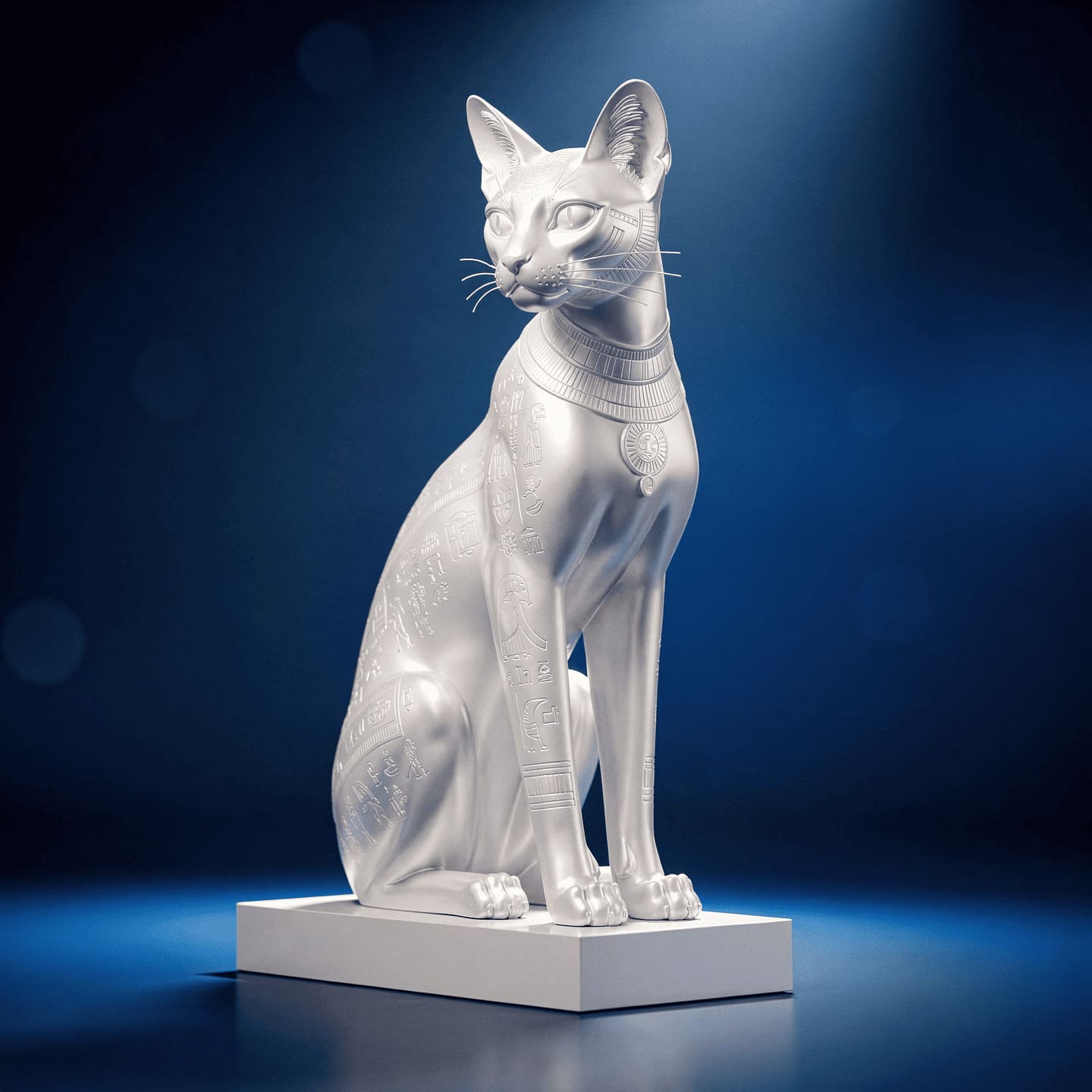
Bastet embodies joy, music, dance, and domestic peace. She brings harmony to the home and family.
Its elegant cat's head symbolizes grace, but also powerful protection against evil forces and misfortune.
Revered throughout Egypt, her main temple in Bubastis was the destination of pilgrimages and grand festivals.
Cats were sacred in Egypt, and killing a cat was punishable by death.
Poison control
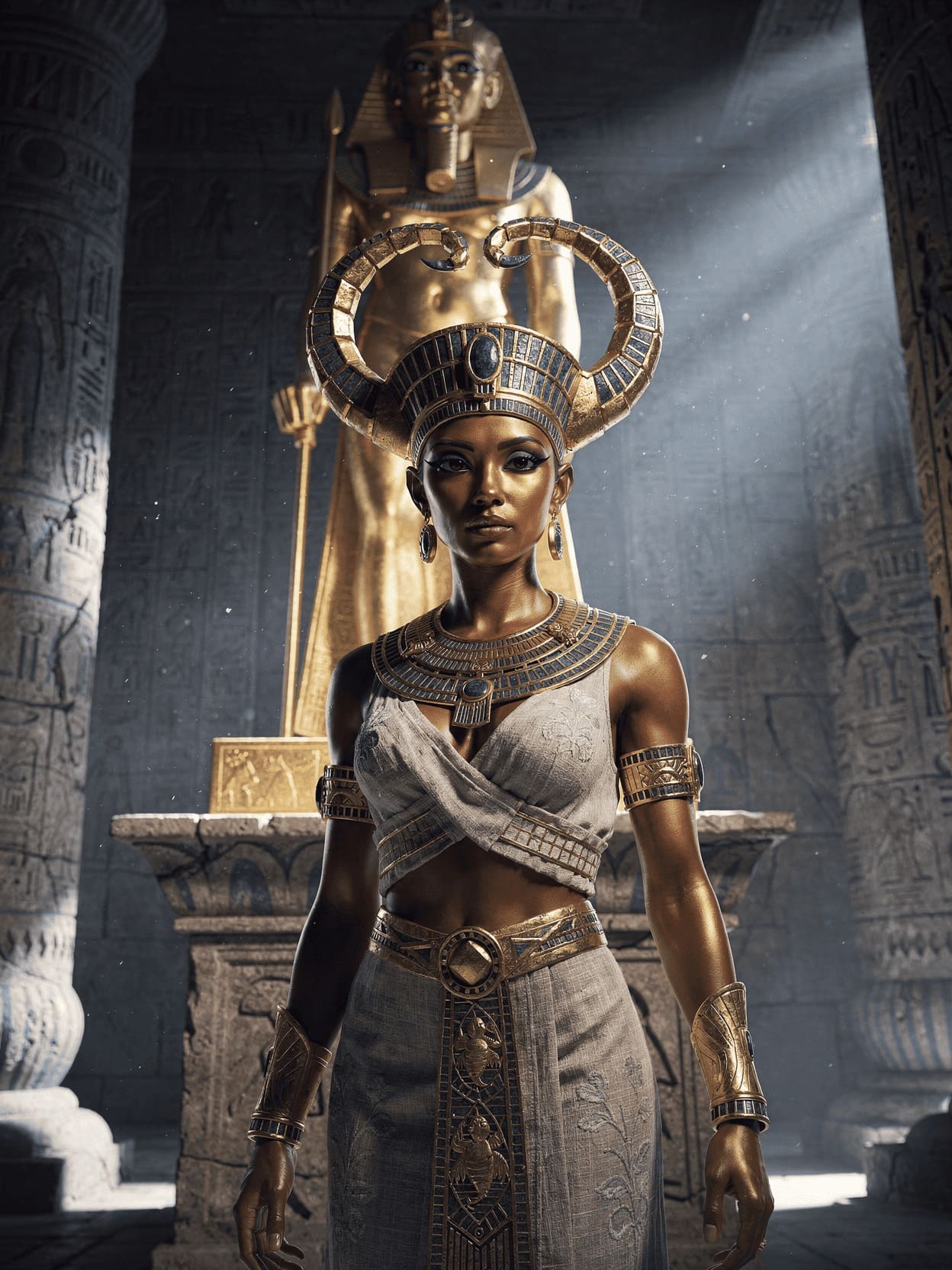
Selket protected people from dangerous scorpion stings and other deadly poisons. Her power over venomous creatures was legendary.
As one of the four great protective goddesses of the dead, she accompanied the deceased to the afterlife and watched over their entrails in canopic jars.
Her iconic depiction often shows her with a scorpion on her head – a symbol of her power over these feared desert animals.
The Egyptian goddesses were not static. Over millennia, their roles, attributes, and meanings evolved along with society.
Originally often worshipped as goddesses of war and hunting, like Neith with her bow and arrow.
Egypt adopted attributes of civilization – weaving, healing, wisdom – as it became more peaceful.
Many became protectors of the dead and companions to the afterlife – a central theme of the culture.
These transformations reflect the complex worldview of the ancient Egyptians and their changing values over more than 3000 years of civilization.
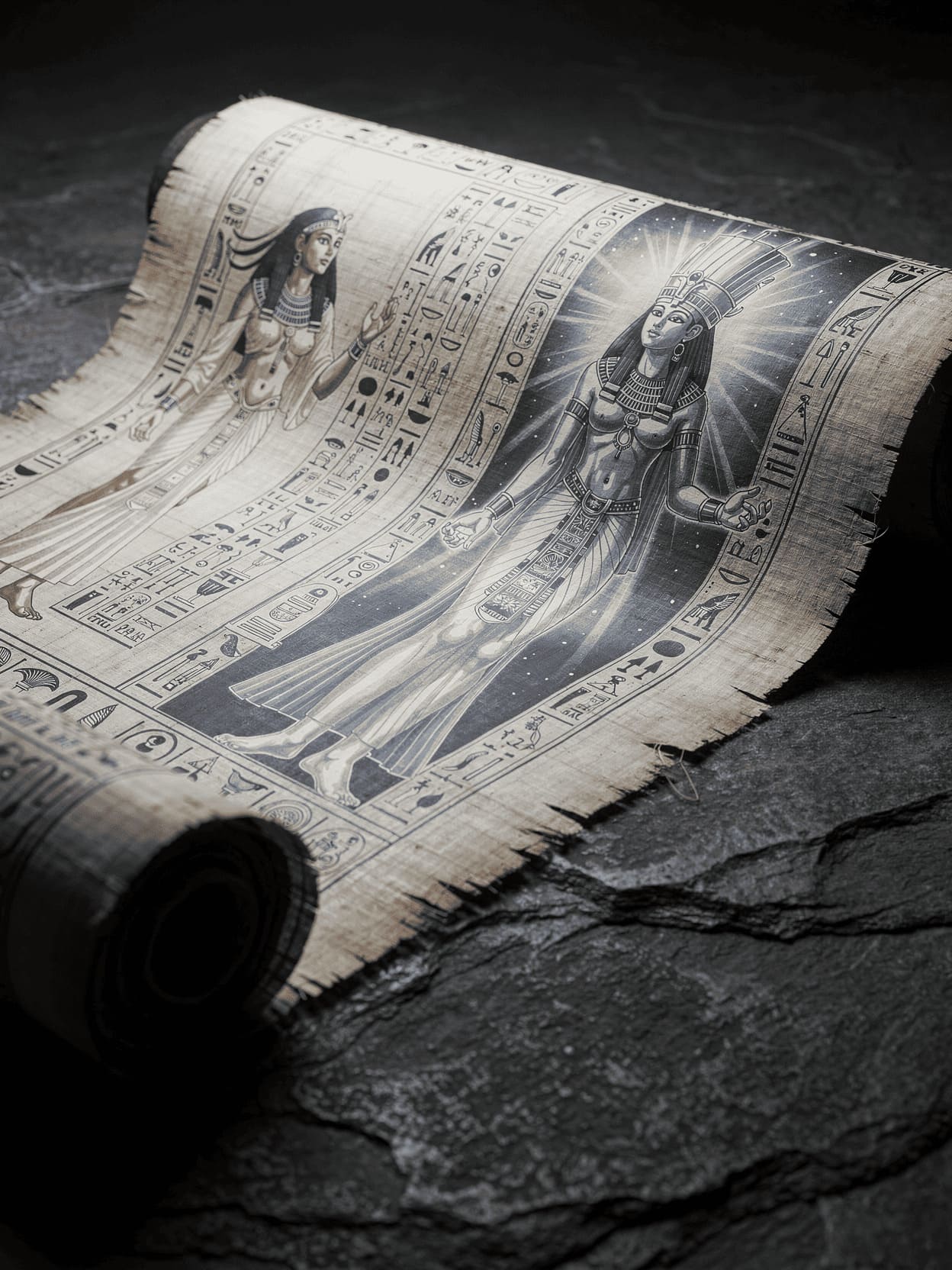
Over two thousand deities were worshipped in ancient Egypt.
Millennia of spiritual tradition and goddess worship
The most powerful goddesses shaped every aspect of life.
The goddesses of ancient Egypt embodied protection, life, and death. Their captivating myths tell of immeasurable power, unconditional love, merciless warfare, and mysterious magic. Their profound veneration reveals the Egyptians' spiritual connection to nature, the cosmos, and the eternal cycles of the universe.