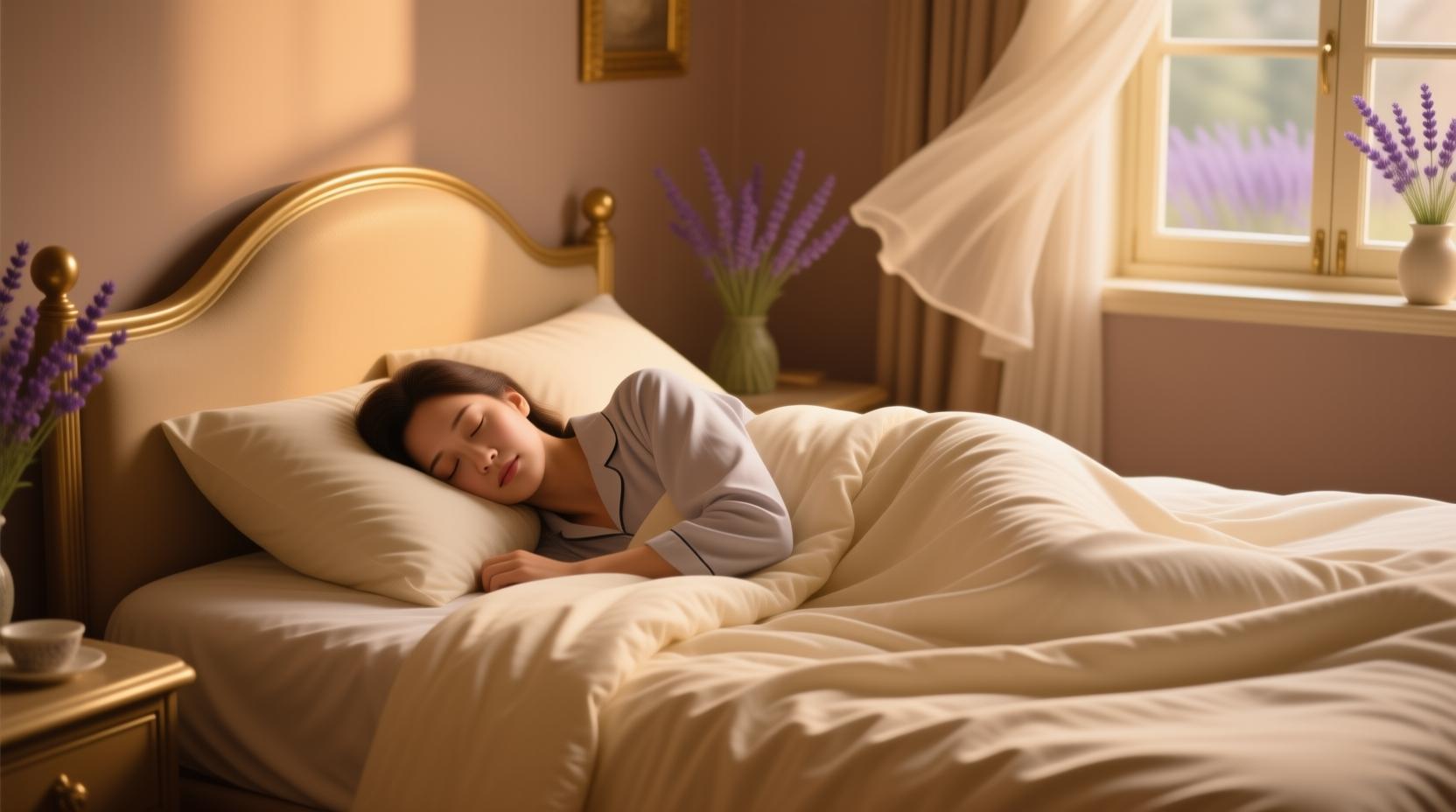
Somnopathy: Healing in sleep – Can we dream ourselves healthy?
We all know how important sleep is. It's not just a restorative break from the hectic pace of everyday life, but also a fundamental process for our physical and mental regeneration. But what if sleep could be more than that? What if it not only helps us recover, but actively contributes to healing? This is precisely where the fascinating idea of Sleepopathy to.
The term "somnopathy" derives from the Greek words "somnos" (sleep) and "pathos" (suffering, feeling, but also healing in the broadest sense). At its core, somnopathy is based on the revolutionary idea that we can use sleep intentionally to support, accelerate, and even initiate healing processes in the body and mind. It is the art of understanding sleep as our personal, nightly clinic.
More than just relaxation: The power of the sleeping body
While we sleep, our bodies are by no means simply in standby mode. On the contrary, they are highly active. In recent decades, scientists have uncovered more and more about the astonishing healing mechanisms that take place during sleep:
- Cell regeneration and repair: During deep sleep, important repair work takes place at the cellular level. Damaged tissue is renewed, and damaged cells are repaired or replaced.
- Immune system boost: The immune system is particularly effective during sleep. It identifies and fights pathogens, produces antibodies, and stores information about hostile invaders for future defense battles.
- Brain cleansing (glymphatic system): During sleep, the brain flushes away toxins and metabolic waste products that have accumulated during the day. This process is crucial for cognitive function and protection against neurodegenerative diseases.
- Hormonal balance: Many important hormones, including growth hormones which are important for regeneration, and stress hormones such as cortisol, are regulated during sleep.
- Emotional processing and trauma healing: During REM sleep, emotions are processed and memories are consolidated. This can be an important process in coping with stress and traumatic experiences.
Somnopathy: The art of optimizing healing sleep
Understanding these natural healing processes allows us to actively support them. Somnopathy is therefore not a magic pill, but a conscious and scientifically grounded approach to maximizing the quality and effectiveness of our sleep for healing purposes. How do we do this?
- Optimal sleep hygiene: This is the foundation. It includes a regular sleep schedule, a dark, cool and quiet sleep environment, and avoiding stimulants (caffeine, alcohol, blue light) before bedtime.
- Stress management: Chronic stress is a healing killer. Relaxation techniques such as meditation, breathing exercises, or yoga before bed can help the body reach a more restful state.
- Nutrition and fluid intake: A balanced diet and adequate hydration support the body's natural repair processes. Certain nutrients are essential for cell regeneration and immune function.
- Movement: Regular physical activity can improve sleep quality, but it should not take place too close to bedtime.
- Targeted relaxation techniques during sleep: This is where it gets particularly interesting. There are approaches that aim to promote healing through gentle acoustic stimuli, specific scents (aromatherapy), or even supported visualizations and affirmations during sleep. These methods are often still the subject of research, but the initial results are promising.
- Awareness of one's own body: Listening to our body's signals is crucial. When we feel tired, we take the time to sleep. When we are in pain, we give our body the rest it needs.
Sleepopathy as a complement, not as a replacement
It is important to emphasize that somnopathy not a substitute for medical treatment It is. In the case of serious illnesses, professional medical help should always be sought. Somnopathy is understood more as a potent addition It complements conventional medicine and a healthy lifestyle. It harnesses the incredible regenerative power that already lies dormant within us.
Does the future of healing lie in sleep?
The idea of somnopathy is exciting because it encourages us to re-evaluate one of the most fundamental human activities. Instead of fighting against our natural need for sleep, we can learn to embrace and utilize it. By focusing on the quality of our sleep and employing targeted strategies, we can profoundly support our body and mind—so that we not only dream while we sleep, but also become healthier.
Have you had any experience with methods that use sleep for healing? Feel free to share your thoughts and tips in the comments!