Physical Address
17033 Neubrandenburg
Germany
Physical Address
17033 Neubrandenburg
Germany

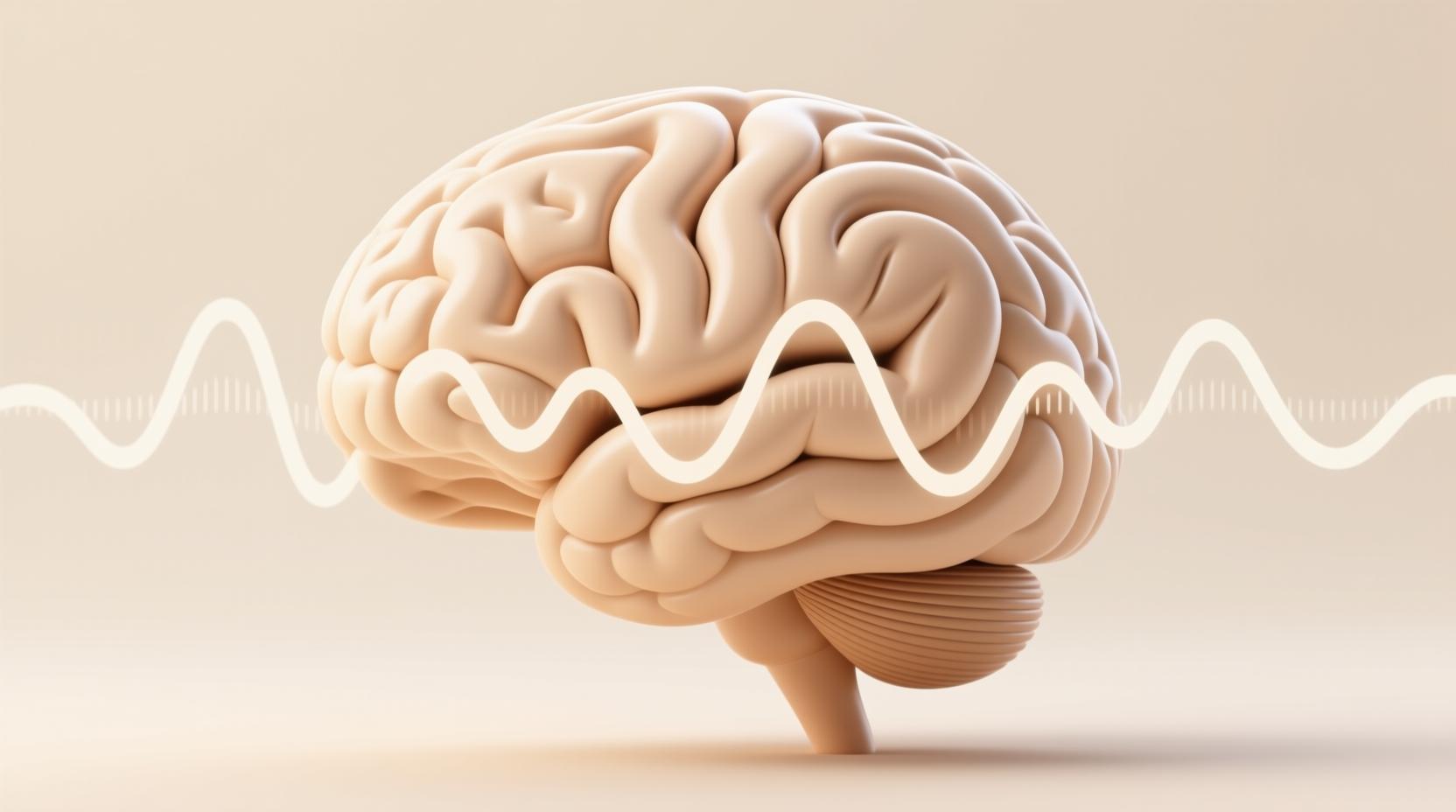
Transcranial ultrasound stimulation, or TUS for short, is like a precise conductor for our brain. It allows us to selectively influence neural networks – even in the deepest regions of our brain, which are difficult to reach with other methods. The secret? Ultrasound waves interact mechanically with neuronal membranes and mechanosensitive ion channels. This allows them to alter neuronal excitability both in the short and long term.
What distinguishes ultrasound (TUS) from established methods like TMS or tDCS is its incredible precision. While other methods tend to work over larger areas, ultrasound offers an extremely high spatial resolution of just a few cubic millimeters. This allows researchers to target subcortical structures precisely – the hidden control centers deep within the brain that play a crucial role in addictive behavior.
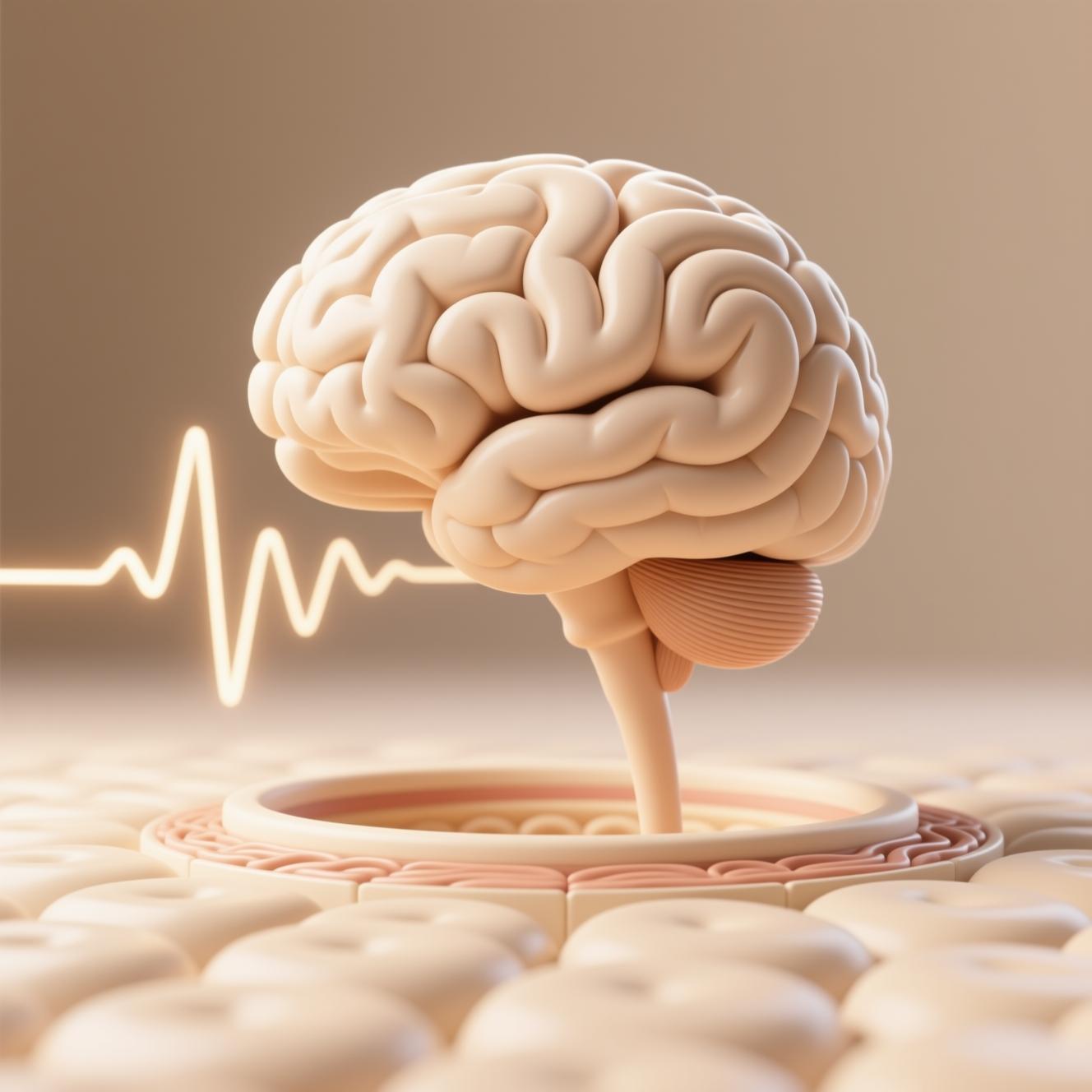
A resolution of a few cubic millimeters enables pinpoint stimulation.
It reaches subcortical structures that remain hidden from other methods.
Ultrasound waves interact directly with neuronal membranes.
The latest studies reveal something truly fascinating: TUS can selectively "switch off" the increased neuronal sensitivity induced by nicotine. Think of it like a dimmer switch for addiction! The researchers are focusing on very specific brain regions linked to reward and addictive behavior – especially the ventral striatum and the prefrontal cortex.
The brain reacts strongly to cigarettes and smoke signals.
Targeted stimulation of the reward regions in the brain
Neuronal response to nicotine is significantly reduced.
Initial clinical trials impressively demonstrate that ultrasound can reduce the neuronal response to nicotine stimuli. The result? The craving for cigarettes is noticeably diminished. Participants report that the urge to smoke simply subsided – as if someone had flipped a switch. These results are more than promising; they could represent a revolution in addiction therapy!
One of the most important questions with any new therapy is, of course: Is it safe? The good news is that low-intensity focused ultrasound (FUS) and transcranial pulse stimulation (TPS) have proven to be very safe in human studies. No significant side effects were observed.
The ultrasound pulses are ultrashort – we're talking about 3 to 5 microseconds – at a low repetition rate of 1 to 5 Hz. These parameters are carefully chosen to prevent overheating of the tissue. It's like a gentle tap instead of a hammer blow.

TPS is already CE-certified and officially approved for medical applications.
Used in studies on Alzheimer's disease, pain therapy and now also addiction treatment
Previous studies have shown no relevant adverse effects when used correctly.
How exactly does this "magical" technology work? Ultrasound modulates neuronal activity by mechanically affecting membrane proteins and ion channels. These tiny pressure waves influence how nerve cells generate action potentials and how synaptic plasticity—the adaptability of the connections between neurons—functions. Essentially, the sound waves "massage" the cells at the molecular level.
The skull bone scatters ultrasound, making precise targeting difficult. Modern neuronavigated systems use CT and MRI data to calculate individually optimized ultrasound paths.
Peripheral nerves could be unintentionally stimulated. Controlled studies with sham conditions help to distinguish between true effects and placebo effects.
Every brain is different. Personalized stimulation protocols based on individual anatomy and physiology are the key to success.
These challenges are real, but science is making rapid progress. With ever-improving imaging and more sophisticated algorithms, the systems are becoming more precise and reliable.
What does all this mean for the future? Ultrasound neuromodulation has the potential to treat smoking cessation without medication or invasive procedures. Imagine: a therapy without pills, without scalpels, without side effects. This is no longer a distant vision of the future, but tangible reality!
First successful clinical trials with promising results in smokers
Combination with behavioral and pharmacotherapy to reduce relapse rates
Optimization of stimulation parameters and broader clinical studies
Establishment as a standard therapy for various addiction disorders
The combination with established behavioral and pharmacotherapies is particularly promising. Together, these approaches could significantly reduce relapse rates. Future research needs to focus more intensively on long-term effects and further optimize stimulation parameters.
The vision is clear: ultrasound neuromodulation should become a personalized, low-side-effect method for treating addiction and other neurological disorders. For millions of people struggling with addiction, this could mean liberation – triggered by nothing more than sound. Isn't that incredible?