Physical Address
17033 Neubrandenburg
Germany
Physical Address
17033 Neubrandenburg
Germany

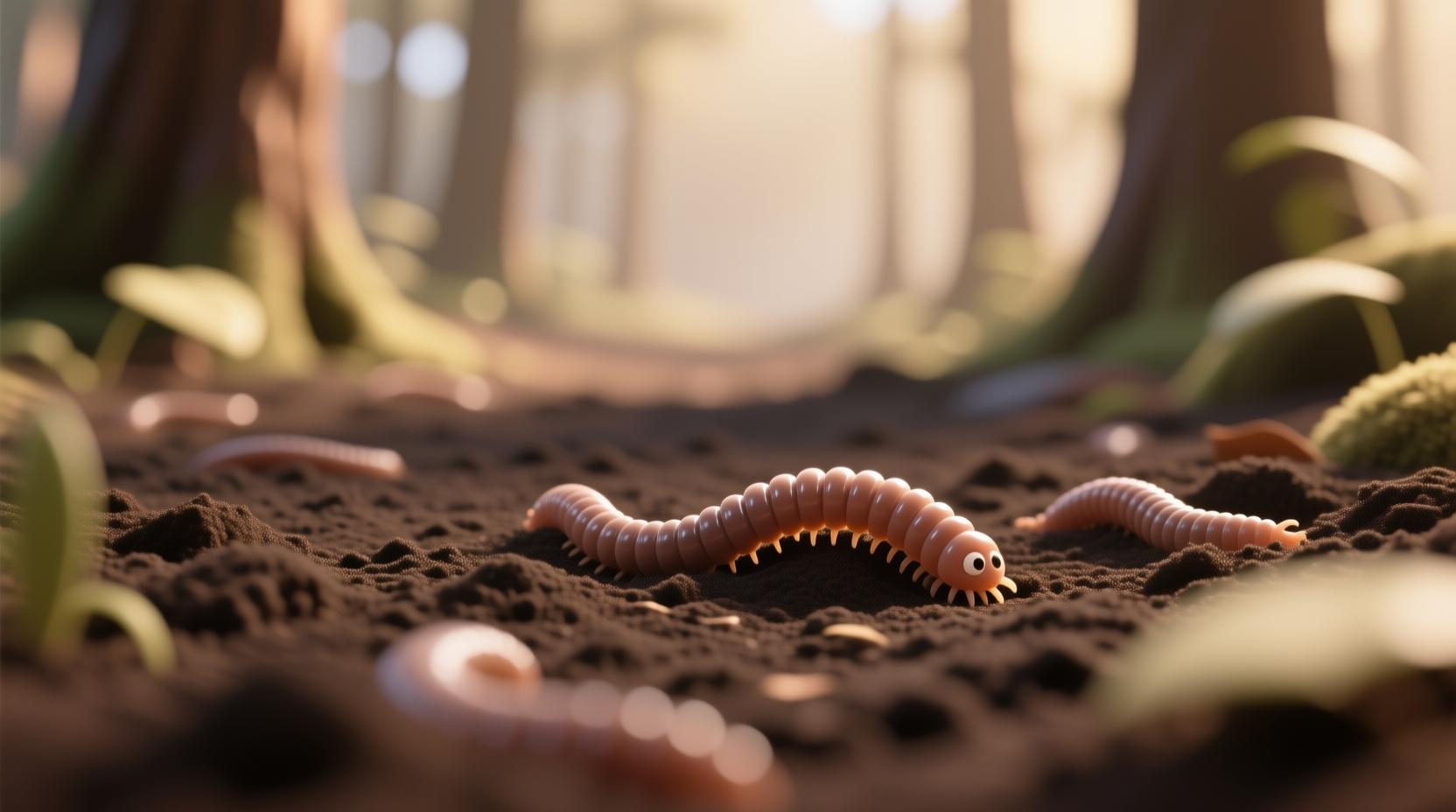
A dangerous invader has crossed Europe's borders – and no one seems able to stop it. The Obama nungara, a predatory flatworm from Argentina, is spreading rapidly across the continent, threatening the very foundations of the ecological balance. What began as an inconspicuous invasion is developing into a serious crisis for our soils and the countless organisms that live in them.

Researchers from the Natural History Museum Vienna and the University of Innsbruck recently made a disturbing discovery: Obama nungara has been detected on Austrian soil. This news has caused great concern in the scientific community, as the find marks a further step in the European spread of this invasive predator.
Experts are issuing urgent warnings about the consequences. The worm actively feeds on earthworms – the unsung heroes of our soils, which are essential for aeration, nutrient cycling, and soil fertility. Its diet also includes snails, insect larvae, and woodlice. This puts the biodiversity of the soil fauna, a complex and fragile ecosystem, under immense pressure.
What makes this invasion particularly threatening is the speed at which Obama nungara is establishing itself. In France, the European country with the most extensive spread, populations of thousands of individuals documented. French experience shows that once established, the worm is almost impossible to eradicate.
The worm's bitter taste protects it from all European predators. Hedgehogs and birds instinctively avoid it.
Obama nungara reproduces efficiently and can adapt to different climate zones, which promotes its spread.
With its stealthy hunting method, it systematically and relentlessly decimates the native soil fauna.
The evolutionary perfection of this organism is revealed in its defense strategy. In its original habitat, Argentina, natural predators exist that can tolerate its bitter taste. In Europe, however, these antagonists are completely absent. Hedgehogs, which normally act as natural pest controllers, turn away in disgust. Birds that hunt worms and insects consistently ignore Obama nungara.
This ecological gap makes the flatworm a near-perfect invader. Without natural predators, its population can grow exponentially, and every newly colonized area becomes a starting point for further expansion. Nature has no time to develop adaptation mechanisms – the invasion happens too fast.
Natural habitat with an established ecosystem and natural enemies
Hidden in flowerpots and planting substrates on their way to Europe
Establishment in an ecosystem without natural control
Rapid expansion and colonization of new territories
The globalization of trade has unintentionally created transport routes for invasive species. Obama nungara travels as a stowaway in pots of ornamental plants, hidden in moist soil and substrate. The international trade in decorative plants is booming – and with it, the spread of unwanted organisms.
A particularly problematic aspect is that import controls can hardly detect these tiny worms. They are inconspicuous, hiding deep in the substrate and only being noticed once they have already established themselves. Every flowerpot, every shipment of garden plants could contain them. Dozens of these invaders included those who are ready to conquer new territory.
The effects of the Obama invasion extend far beyond the disappearance of individual worm species. Earthworms are the architects of our soils – they mix organic material, create cavities for air circulation and water infiltration, and their castings are valuable fertilizer. Without them, soil fertility collapses.
Soil fauna forms the basis of terrestrial ecosystems. When Obama nungara decimates earthworms, snails, and insect larvae, it destabilizes the entire food chain. Birds, mammals, and other animals that depend on these organisms lose their food source. The decomposition of organic matter slows down, and nutrient cycles are disrupted.
In regions with established populations, scientists are already observing a measurable decline in earthworm density. Some areas in France are recording Losses of up to 70 percent in severely affected areas. The long-term consequences for agriculture, horticulture and natural ecosystems are serious and potentially irreversible.
Establishment of monitoring programs to quickly identify new populations before they can spread.
Stricter controls in international plant trade, especially for substrates and potting soil from risk areas.
Raising awareness among gardeners, farmers and the general public about the threat posed by invasive species and reporting options.
Investment in scientific programs to develop biological or ecological control methods against Obama nungara.
Time is running out, but there is hope. Several European countries have begun implementing early warning systems. Citizen science projects encourage the public to report sightings. Researchers are working on developing control strategies based on natural mechanisms that do not further burden the ecosystem.
Ultimately, however, combating invasive species like Obama nungara requires a holistic approach: prevention is better than cure. Stricter regulations in international trade, combined with public awareness and scientific innovation, could slow or even halt its spread. Europe's soils—and the countless creatures that inhabit them—deserve our determined protection.