Physical Address
17033 Neubrandenburg
Germany
Physical Address
17033 Neubrandenburg
Germany

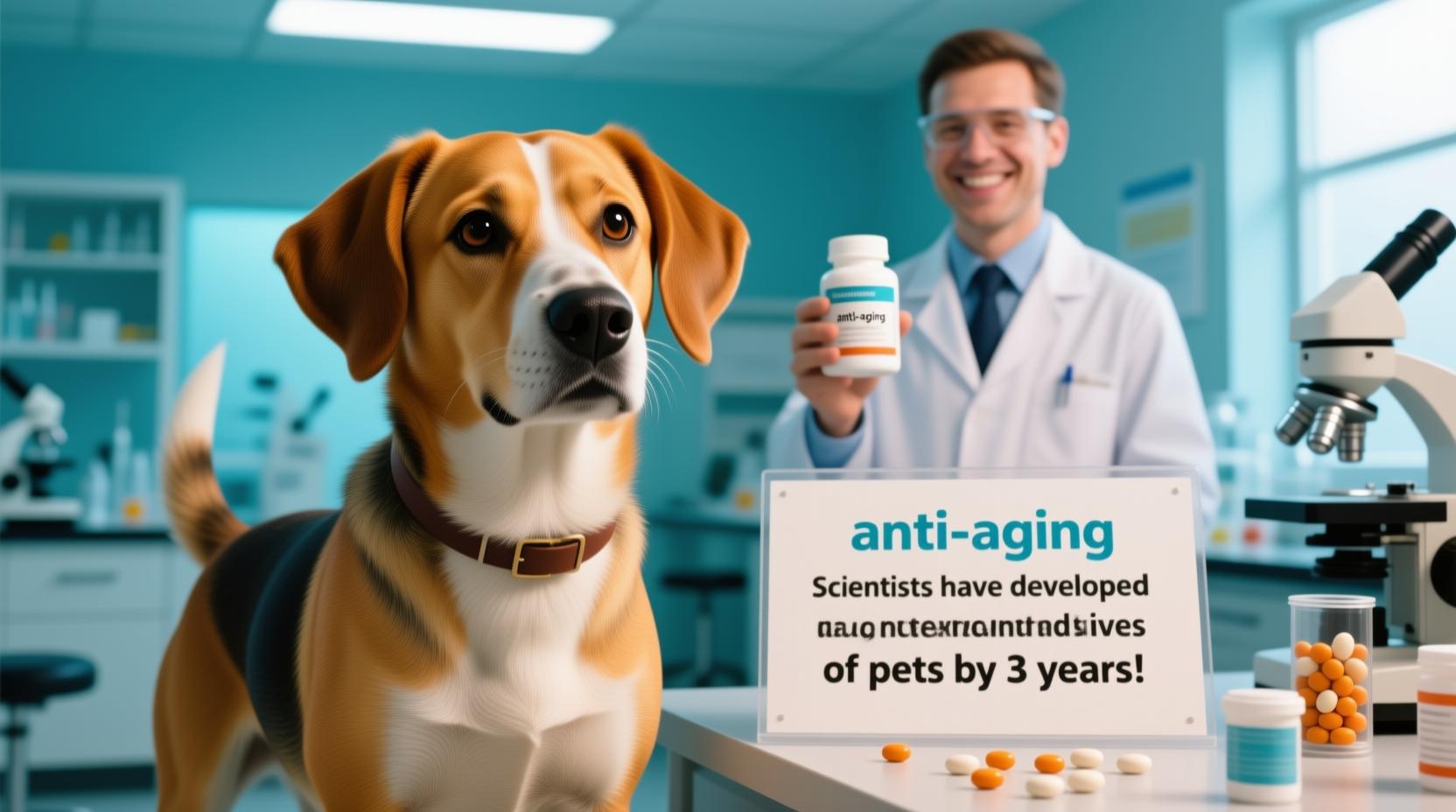
The hopes of many dog owners for more years together with their beloved pets have received a major boost. An international research team has announced that an experimental anti-aging pill for dogs has cleared a crucial regulatory hurdle. The drug, which aims to slow the aging process at the cellular level, could extend the lifespan of pets by an average of up to three healthy years.
The preparation, provisionally known as "Loyalis", has shown promising results in recent clinical trials and has now been approved by leading veterinary authorities to continue the final testing phases (Phase 3) – a crucial step on the road to market readiness.
Unlike dietary supplements, this new therapy targets the molecular causes of aging directly. The pill belongs to the class of so-called senolytics, substances that specifically eliminate "zombie cells" (senescent cells). These cells stop dividing but do not die. Instead, they release harmful inflammatory substances into the surrounding tissue, thereby accelerating the aging process and the development of age-related diseases such as arthritis and heart problems.
„Our goal is not only to make the dogs live longer, but above all to extend the crucial years of quality of life,“ explains Dr. Elena Richter, head of the research project, in a press release. „The data so far indicate that we are able to significantly improve the healthy years of life, the so-called healthspan, of our patients.“
The recent approval for Phase 3 clinical trials is considered the most important hurdle, as it demonstrates that the therapy was both safe and sufficiently effective to treat larger animal populations in the preceding phases. Large-scale studies will be conducted in the coming months to determine the long-term efficacy and optimal dosage across different breeds.
Especially for large breeds, which tend to have a shorter life expectancy – such as Great Danes or Saint Bernards – the extension of up to three years could make a revolutionary difference. For smaller breeds, which already enjoy a longer life expectancy, the focus could be even more strongly on the prevention of age-related diseases.
Although the news was received with widespread euphoria in the pet community, experts are also raising questions about the ethical and economic implications.
Critics raise concerns about the therapy's anticipated high costs and fear unequal access to medication. Furthermore, biological questions arise: What impact will artificially extending lifespan have on other members of the species and the ecosystem?
The research team emphasizes, however, that animal health is the primary focus. "We are not developing a fountain of youth for all eternity, but rather a targeted treatment for age-related ailments," says Dr. Richter. "We are confident that this preparation could reach the market within the next three to five years, provided the final studies are successful."„
Should "Loyalis" successfully complete Phase 3 trials and receive full approval, it would be the first approved anti-aging drug for animals proven to extend lifespan. Veterinary medicine may thus be on the cusp of a new era in elderly care for pets.